About · The Sakété temple
Who is Wêtê Agbonon, voodoo priest and Fâ diviner
Wêtê Agbonon was born in Sakété, Benin, into a family of bokonon, and has practised for more than thirty years. Here is his story, and what anyone can check.
Filmed testimony
“I was skeptical at first, but I’m honestly so grateful I gave it a chance.”
A client, face shown, in her own words
Born in Sakété
A charge received from his family
Wêtê Agbonon was born in Sakété, in the Plateau department of south-eastern Benin. He serves at the temple there, where he receives people, consults the Fâ and leads the rituals.
He came to the Fâ and to voodoo through his family. In his house, this knowledge passes from the one who received it to the one who will receive it next, together with its taboos. He has been part of this tradition for more than thirty years.
His clients in Europe also know him as Maître Luc. His birth name, the one under which France 24 filmed him, is Wêtê Agbonon.

At a glance
Wêtê Agbonon in ten facts
What can be said about him without inventing anything: facts, places, dates, and proof that anyone can check.
- Birth name
- Wêtê Agbonon
- Known in Europe as
- Maître Luc
- Born in
- Sakété, Plateau department, Benin
- His charges
- Bokonon of the Fâ, voodoo priest, marabout
- In the tradition for
- More than 30 years
- His temple
- Sakété, south-eastern Benin
- His mother’s village
- Gogotinkpon, on Lake Ahémé
- On television
- A France 24 report, 12 January 2026
- His encyclopedia
- vodunbenin.org
- Testimonies
- 22 filmed testimonies, faces uncovered
One does not choose this path the way one chooses a trade. I received it from my family, and the Fâ flatters no one.Wêtê Agbonon
Three charges
Bokonon, voodoo priest and marabout, in one lineage
Bokonon of the Fâ
He consults the Fâ before deciding on any action. The Fâ says whether a situation can be treated, with which rituals and within what time. For the person who asks, this consultation is free.
Voodoo priest
At the Sakété temple, his work is made of offerings, libations, prayers to the vodun and night vigils. Lègba is greeted there every morning. The rituals the Fâ asks for, he leads himself.
Marabout
In France and Belgium, “marabout” is the word people use when they look for someone like him, and he answers to it: he prays to the vodun and leads rituals for those who consult him, in Europe, in North America and in Africa.
Wêtê Agbonon, a child of a house of bokonon
In Wêtê Agbonon’s family, the Fâ is not learned from a book. It is learned in the courtyard, at the foot of the altars, by watching those who received the charge before you. The child carries, prepares, cleans and listens. He sees worried people arrive, he sees the elder cast the opèlè, he hears the questions put to the Fâ and the way they are answered.
This school gives no diploma. It is judged over time: the tablet is only entrusted to someone who has shown that he can keep silent, respect the taboos and tell the truth, even when it is unwelcome. That is how the charge reached him, and why he still consults with his ancestor’s opèlè and tablet.
What is learned before consulting
- Greeting Lègba, guardian of passages, every morning, before anything else.
- Preparing offerings without improvising: each voodoo spirit has its tastes and its taboos.
- Knowing the signs of the Fâ, their order and their reading, and how to question them.
- Keeping what is not said: the words of the temple stay at the temple.
- Telling what the Fâ answered, without softening it or making it worse.

The Sakété temple, where he works
Sakété is a town and commune of the Plateau department in south-eastern Benin, about thirty kilometres north of Porto-Novo, the capital. He was born there and he serves there. Life at the temple follows a precise order: the morning greetings, the offerings, the consultations, and sometimes the night vigils the Fâ asks for. The rituals he leads for his clients are done on these altars, by his own hand.
Clients from France, Belgium and Switzerland have travelled to live their ritual beside him. Others follow the work from a distance and receive a report. Either way, it is the same temple and the same man.
Why his European clients call him Maître Luc
In France, Belgium or Switzerland, when people look for someone like him, they look for a “marabout”. The word is not used that way in Benin, but he answers to it: he prays to the voodoo spirits and leads rituals for those who consult him. Many of his clients met him as Maître Luc, through marabout-paris.net; his birth name, the one under which France 24 filmed him, is Wêtê Agbonon.
The Fâ first, the commitment after
What strikes those who write to him is the order in which he works. He listens first. Then he consults the Fâ, free of charge, and says plainly what he saw. When the Fâ opens the way, he provides a written quote with one single amount, and commits in writing to the time the Fâ gave.
He only commits after consulting the Fâ. When he commits, he leads the work himself, to the end, and remains reachable afterwards. He only takes your money if he can act.
Knowledge signed with his name
Wêtê Agbonon wanted what he knows about voodoo to be readable and verifiable. The encyclopedia vodunbenin.org presents the voodoo spirits, the Fâ and the places of worship, in English and in French. For a first look at the religion itself, see West African Vodun on Wikipedia.
Personal photographs
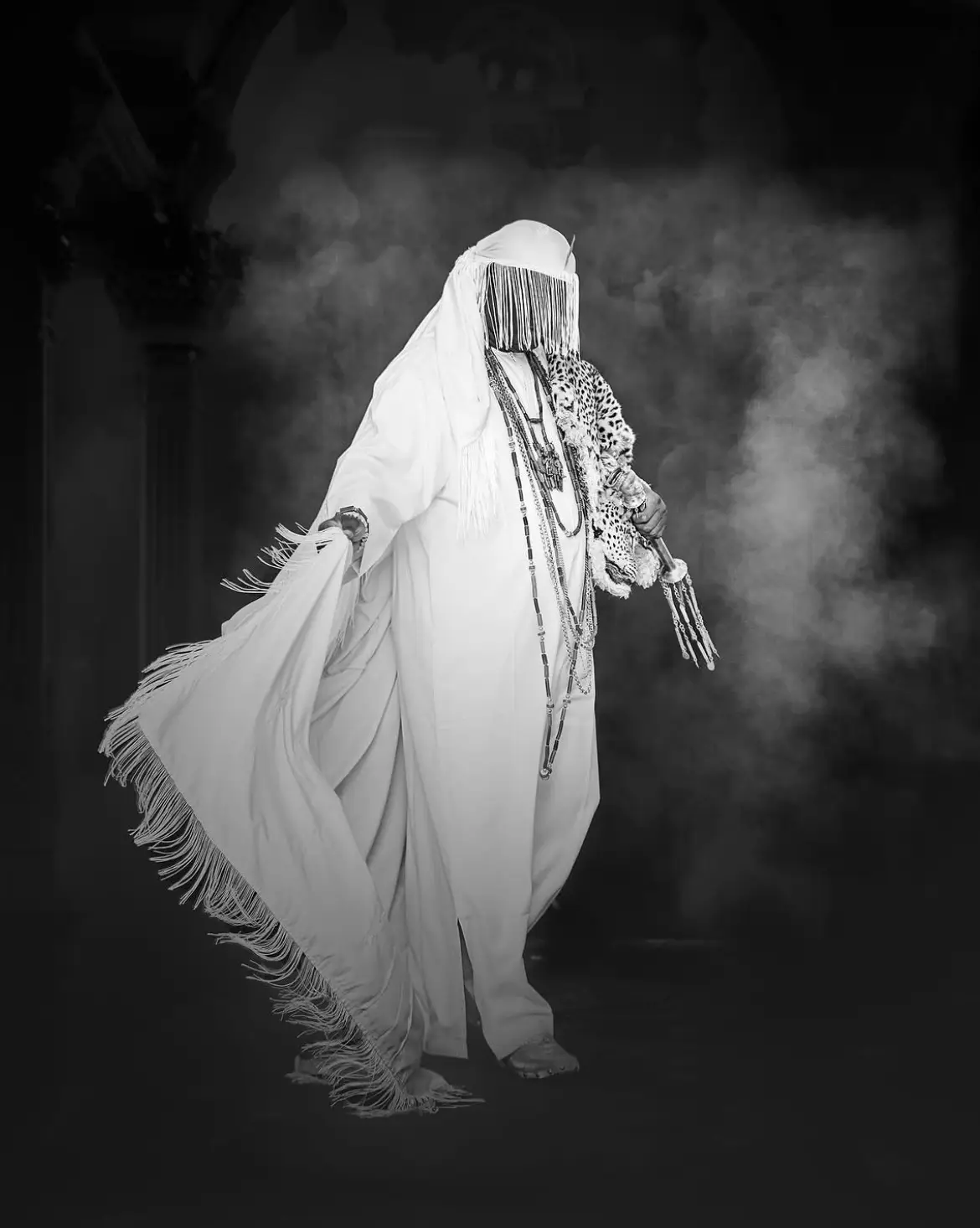
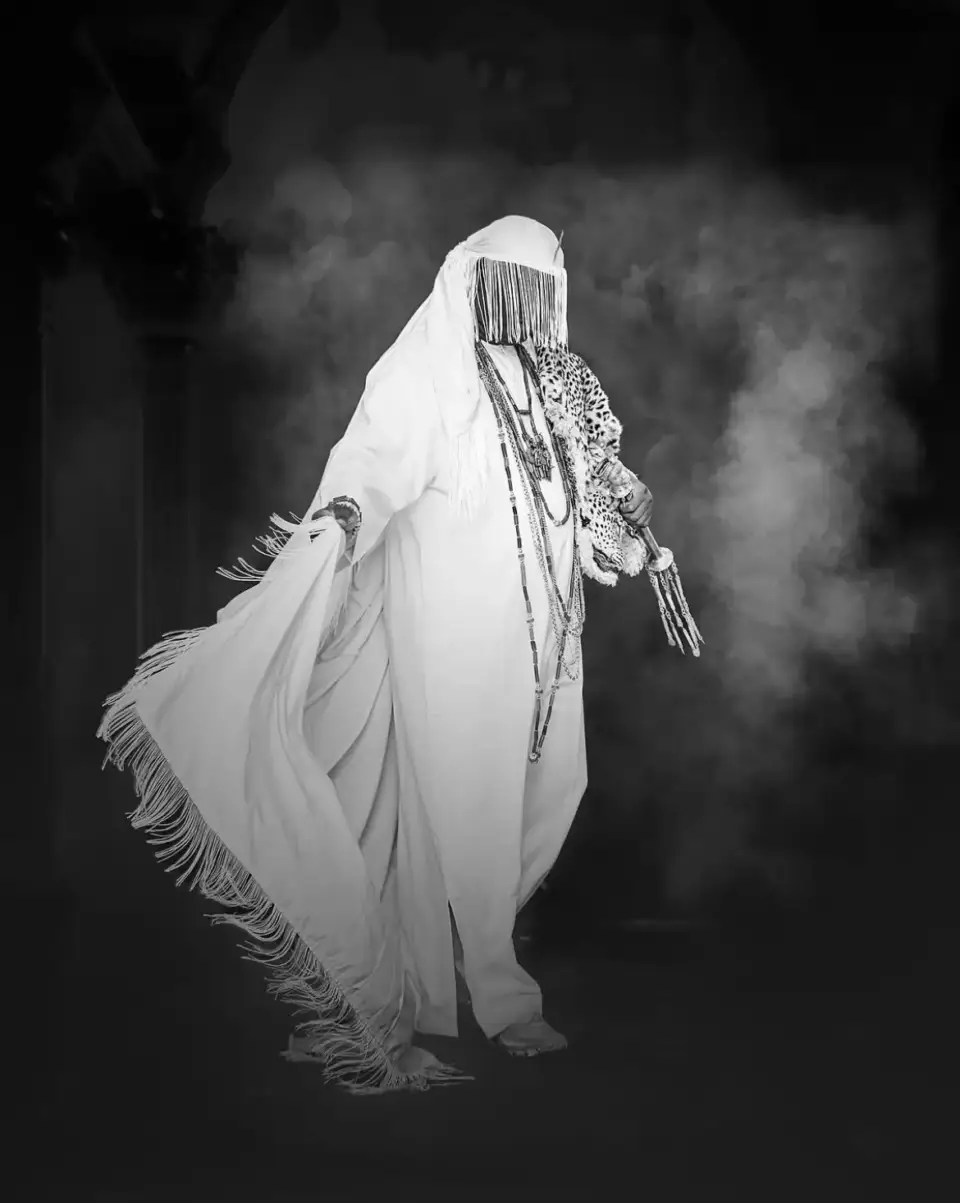
Wêtê Agbonon, in ceremony
His personal photographs: processions, white robes, veils, masks and ceremonial staffs, in Benin.
 Black and whiteVeiled in white, in the ceremony smoke
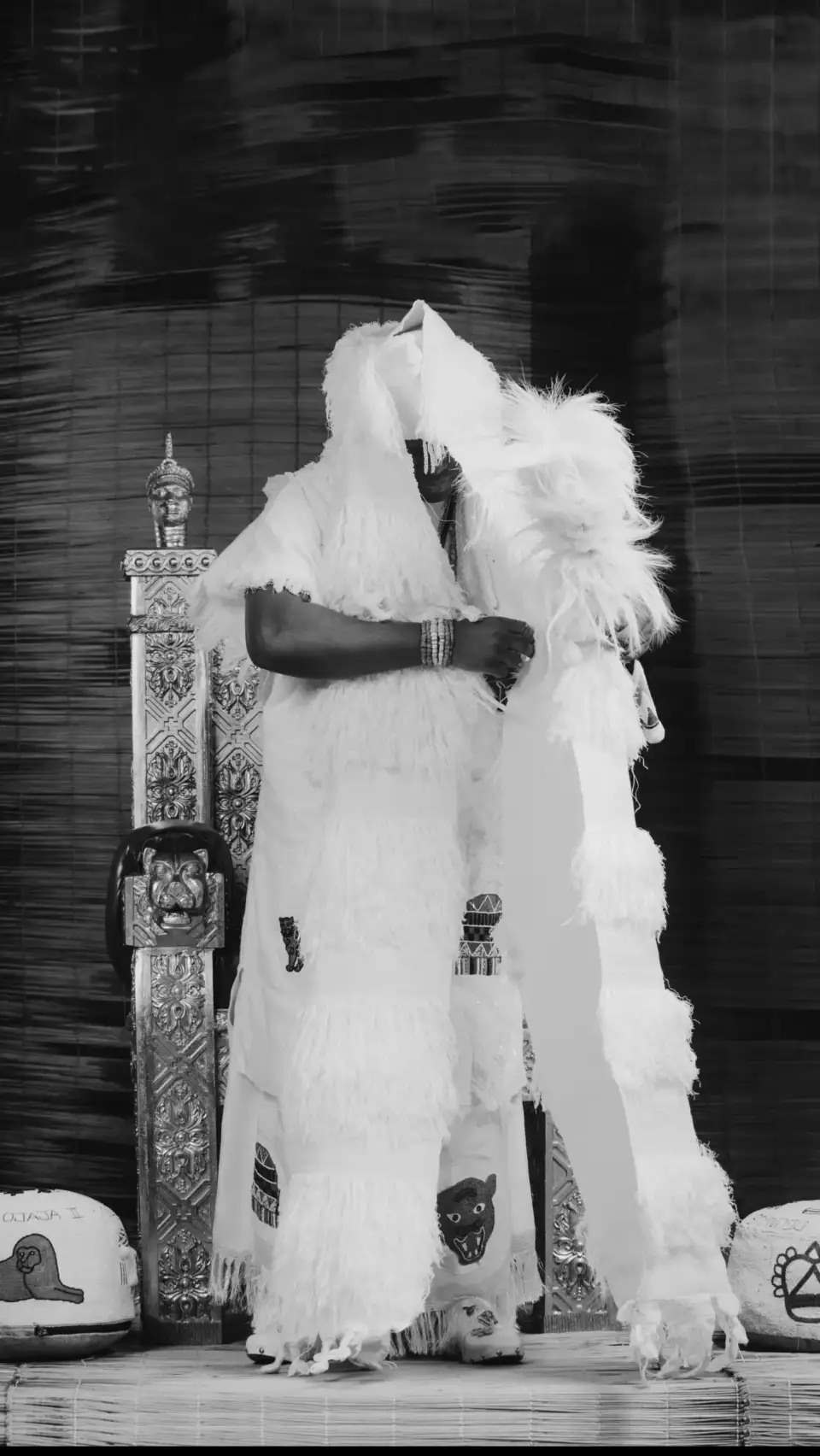 Black and whiteVeiled in white feathers, by the carved seat
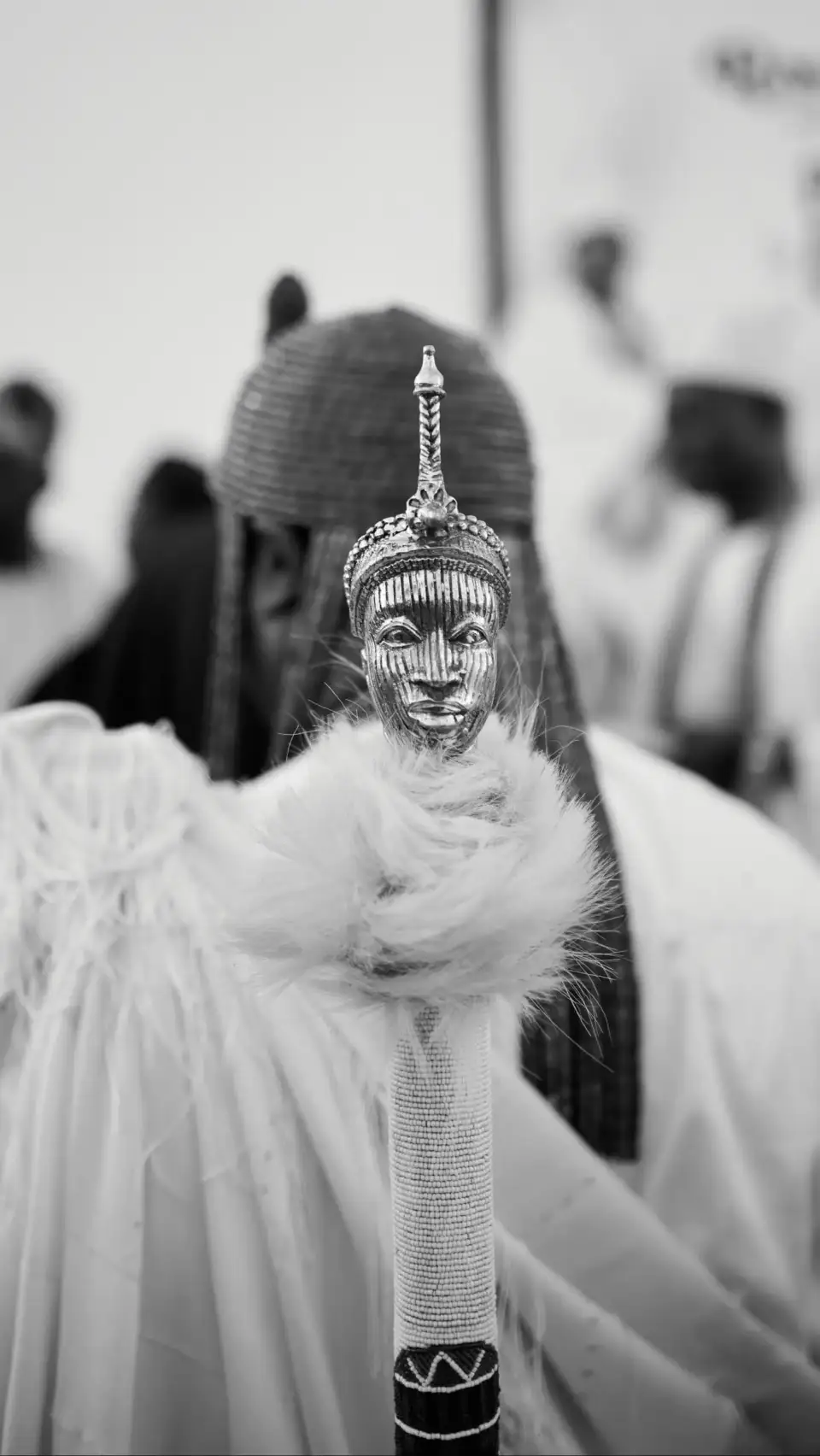 Black and whiteThe silver mask and the staff
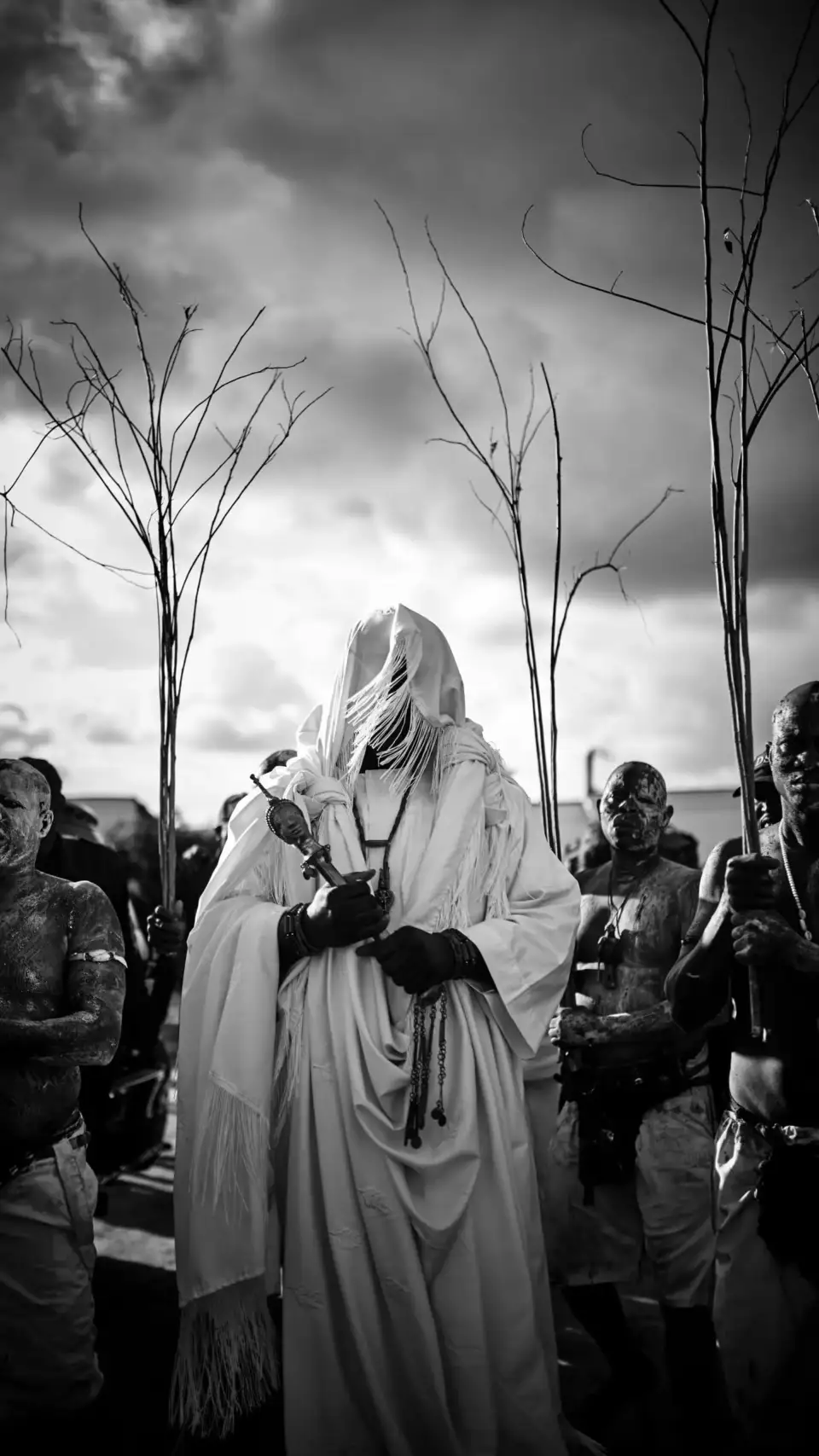 Black and whiteWalking under a heavy sky
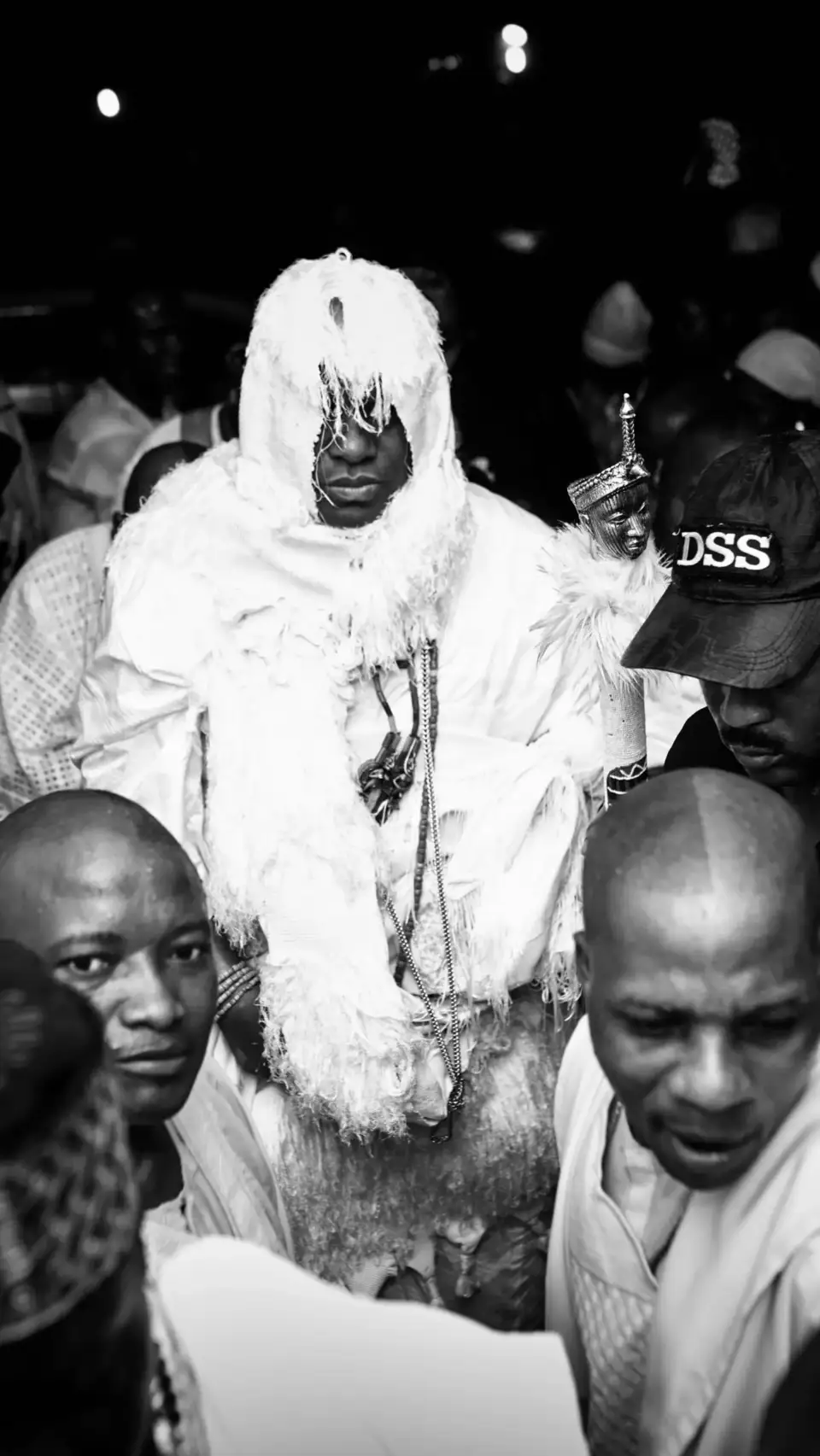 Black and whiteIn the middle of the gathering
 Black and whiteUnder the canopy, staff in hand
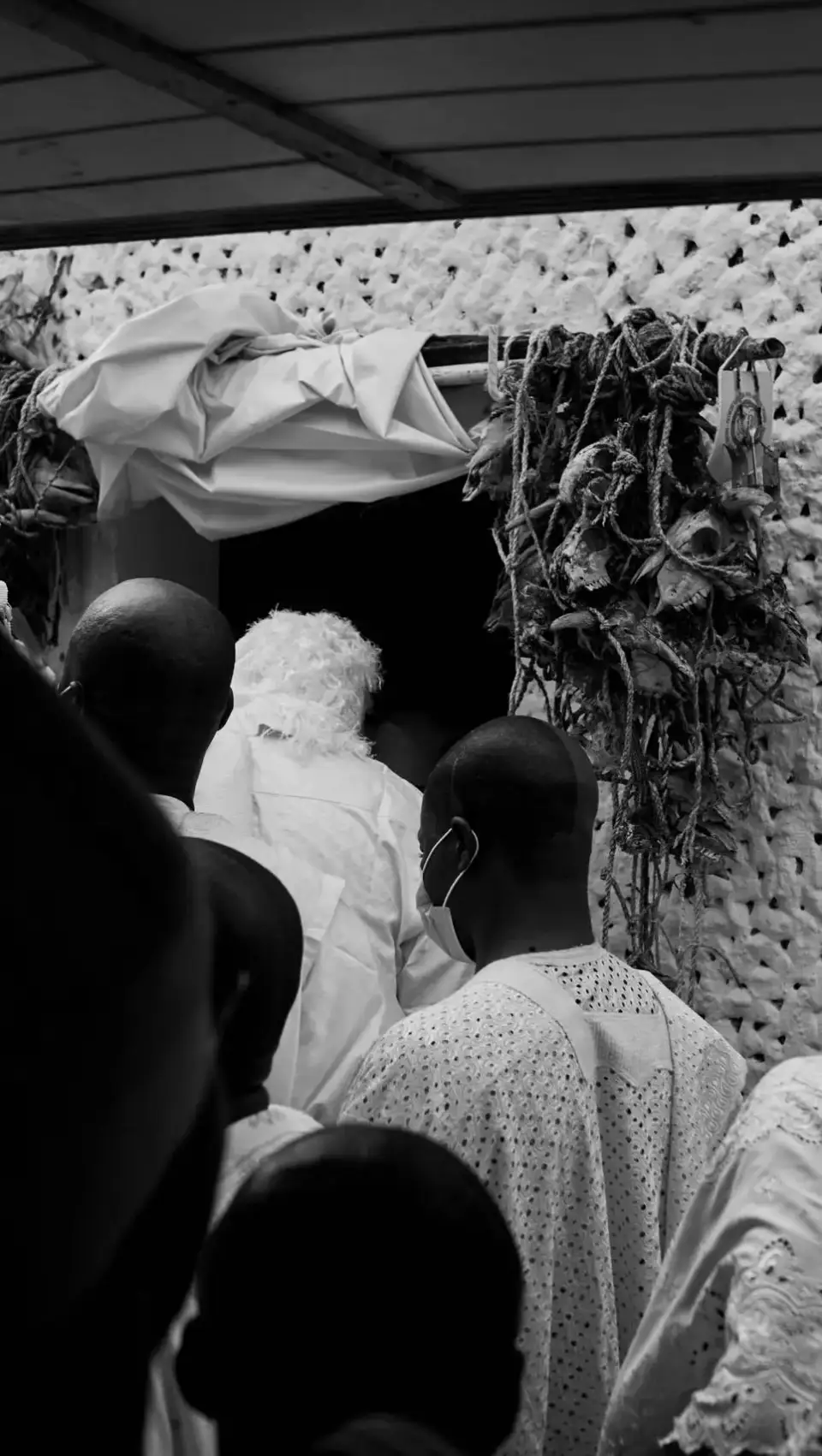 Black and whiteThe ceremony, before the decorated wall
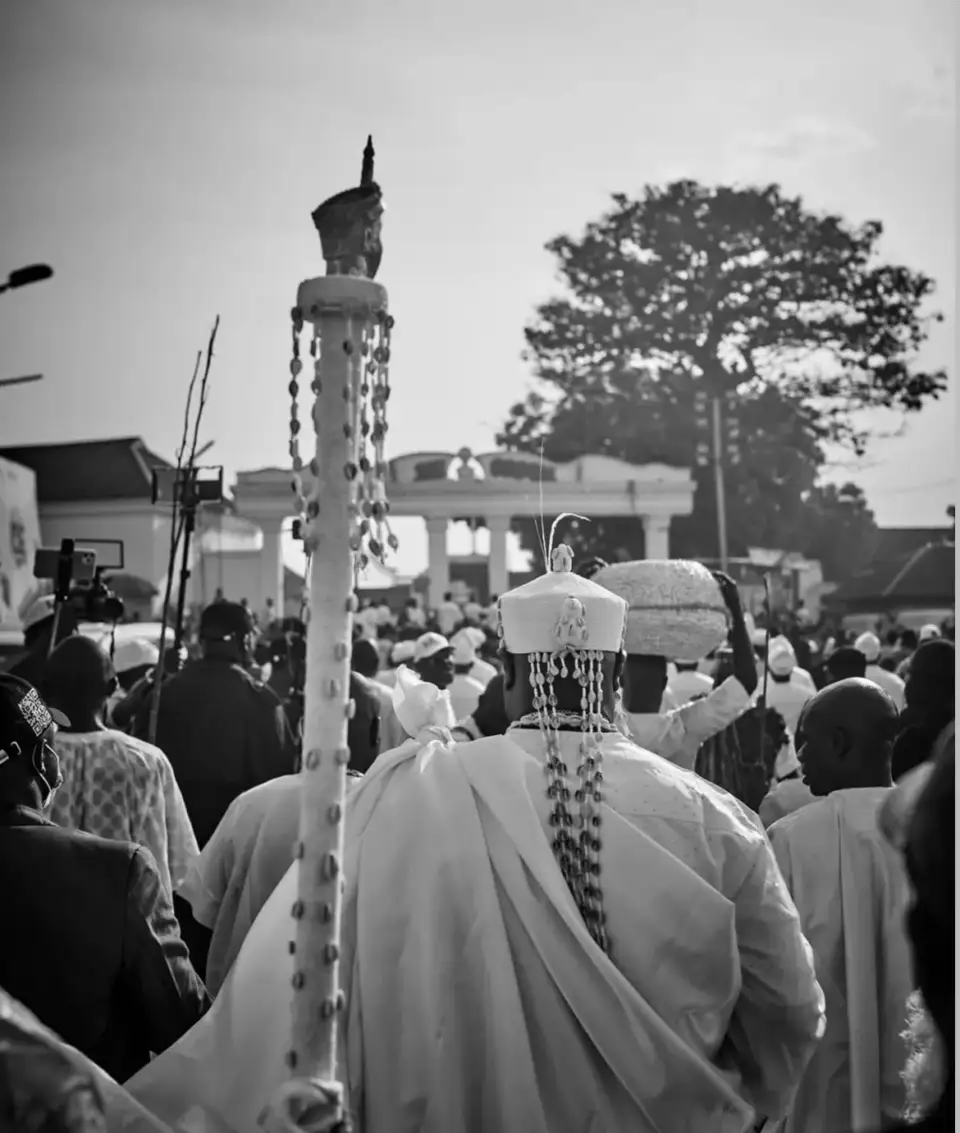 Black and whiteThe procession and the great staff
 CeremonyThe white doves
 CeremonyIn white, during the rite
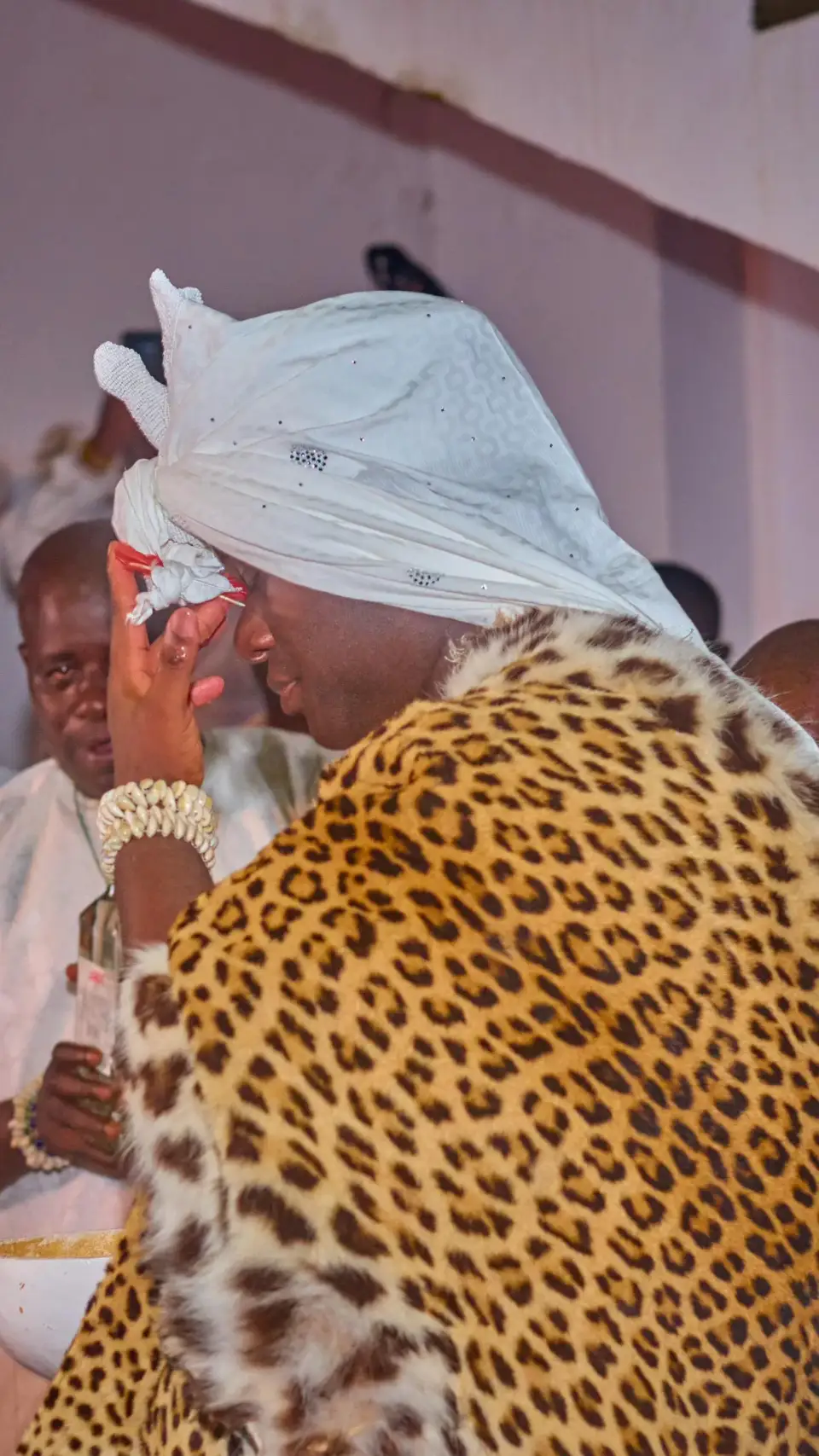 CeremonyThe leopard skinCeremonyThe white headdress and the red feather
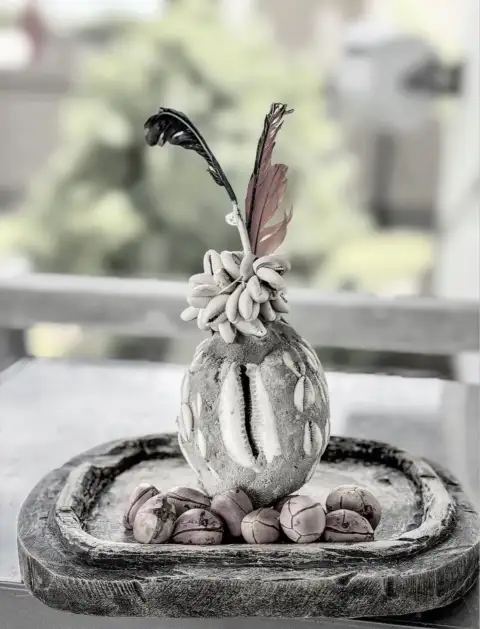
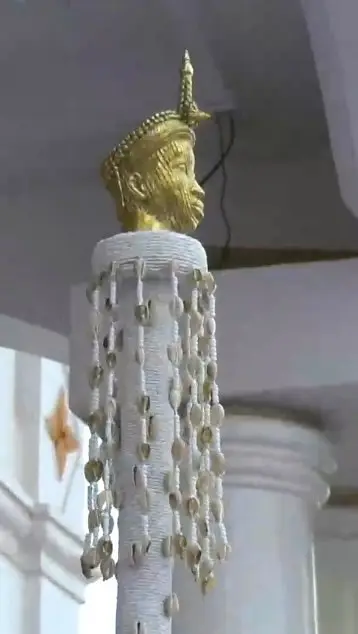 CeremonyThe ceremonial staff adorned with cowries
 ProcessionIn white, at the foot of the plane
 ProcessionA procession in white and leopard cloth
The Dahomey of his ancestors
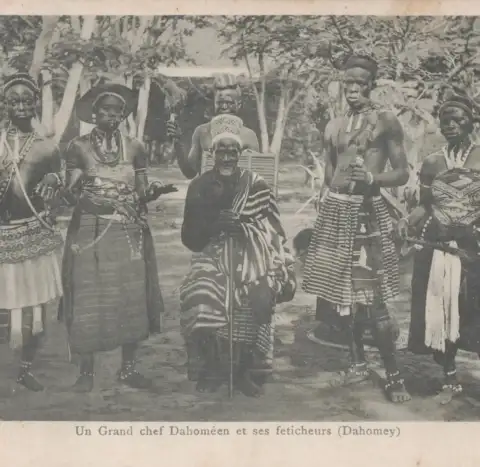
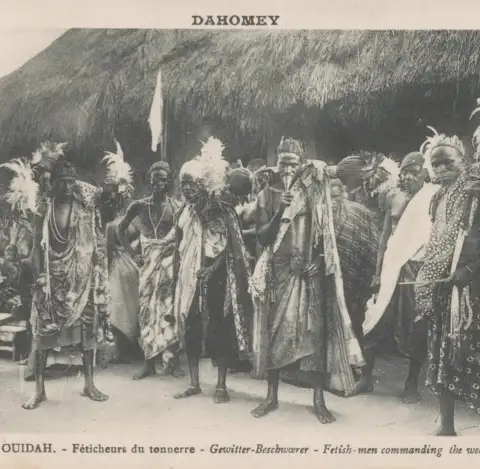
A tradition kept by families
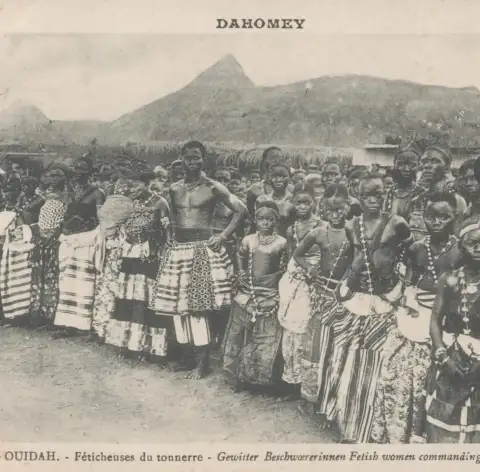
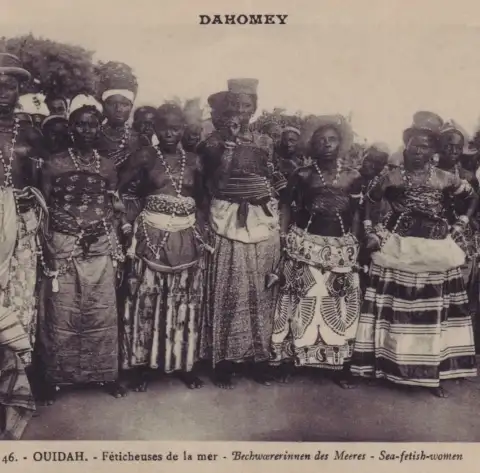
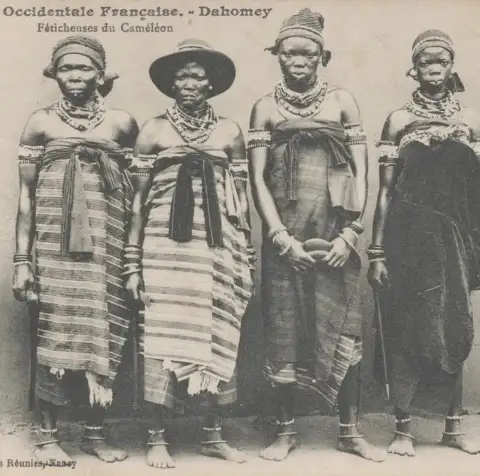
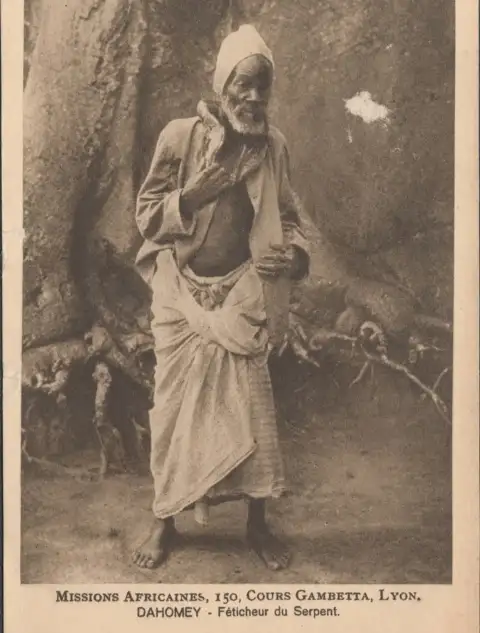
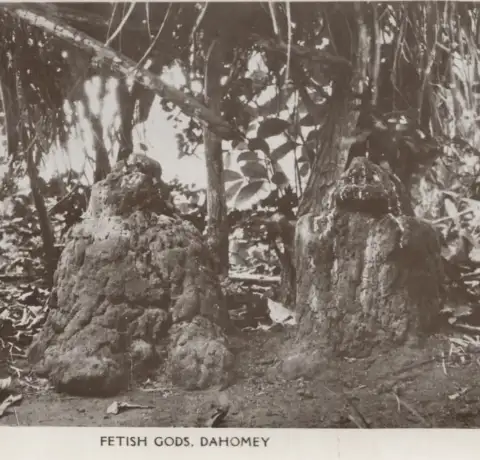
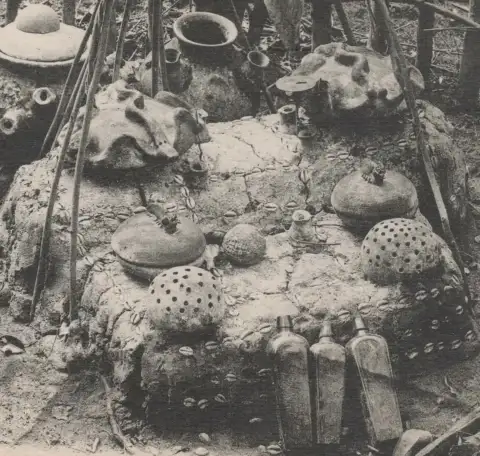
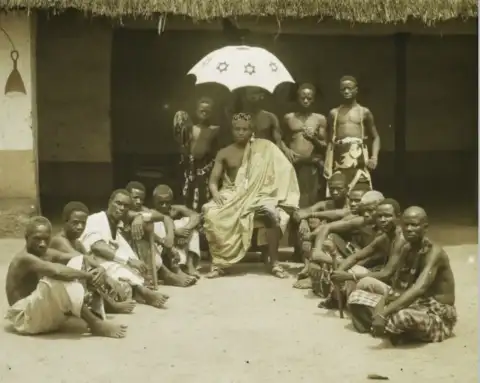
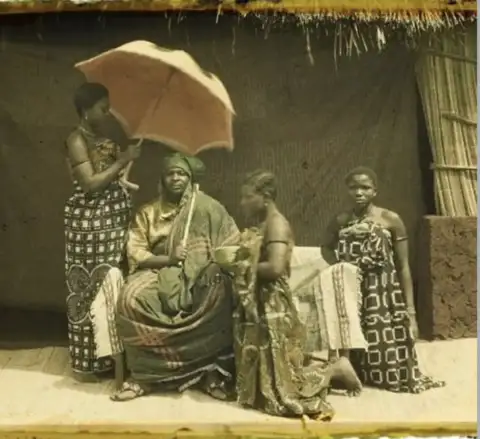
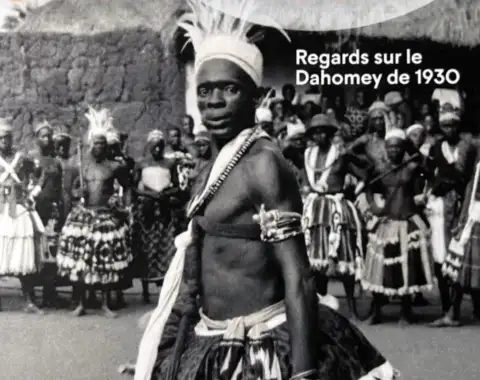
Before it was called Benin, the country was called Dahomey. Travelling photographers printed its voodoo priests and priestesses on postcards. The printed captions say “féticheurs”, the colonial word. These pictures show charges passed down within families. His family is one of them.
The ancestors’ film
His ancestors, filmed as they dance
This old film shows his ancestors during a voodoo dance. It recalls where the charge he carries today at the Sakété temple comes from.
The gestures have crossed the generations, and the Fâ is still consulted with his ancestor’s opèlè and tablet.
Seen on television
Filmed by France 24 in Gogotinkpon
France 24 came to film him in Gogotinkpon, his mother’s village on the shore of Lake Ahémé, for its programme Plan B: “In Benin, voodoo comes to the rescue of the mangrove”, broadcast on 12 January 2026.
He appears under his birth name, captioned “prêtre vaudou”, voodoo priest.
Watch the report (in French)
Questions
What people ask about Wêtê Agbonon
Are Wêtê Agbonon and Maître Luc the same person?
Yes. Wêtê Agbonon is his birth name, the one on his papers and in the France 24 report. His European clients often know him as Maître Luc.
Where is his temple?
In Sakété, in the Plateau department of south-eastern Benin. He was born there and leads the rituals the Fâ asks for himself. The page voodoo temple of Sakété shows it in photographs.
How long has he practised?
For more than thirty years. The charge comes from his family, from bokonon to bokonon; he still consults with his ancestor’s opèlè and tablet.
Did he really appear on France 24?
Yes. An international channel went to film him in Gogotinkpon for the programme Plan B, broadcast on 12 January 2026. The report is online (in French).
How can I reach him?
On the temple line, +229 96 74 05 49, or the France line, +33 6 44 69 51 14. The first exchange is free and confidential. All his addresses are on the official accounts page.
Does he receive people at the temple?
Yes. Clients have travelled to Sakété for their ritual. You can come too, after the Fâ consultation, on the date it indicates.
Read on
His method, his temple, the reviews
Write to him
He answers himself, within two hours
The first exchange is free and confidential. You set out your situation, he consults the Fâ, then you decide freely.
Message on WhatsApp