The word · Benin
African witch doctor: where the word comes from, and what a voodoo priest really does
People looking for an african witch doctor often find a voodoo priest. Wêtê Agbonon, priest and Fâ diviner in Sakété, Benin, explains where the word comes from, what he does every day, and what he refuses.
Filmed testimony
“I was skeptical at first, but I’m honestly so grateful I gave it a chance.”
A client, face shown, in her own words
Why people say it
A word from outside
Many people write to Wêtê Agbonon looking for an african witch doctor, a voodoo witch doctor, a voodoo sorcerer or a voodoo witch. He does not take offence: these are the words of the people who are looking. In Benin, he is a voodoo priest and a bokonon, a diviner of the Fâ.
Behind the word, people expect someone who can act. That is what he does, at the Sakété temple, with his own hands, after consulting the Fâ.
Voodoo priest: his role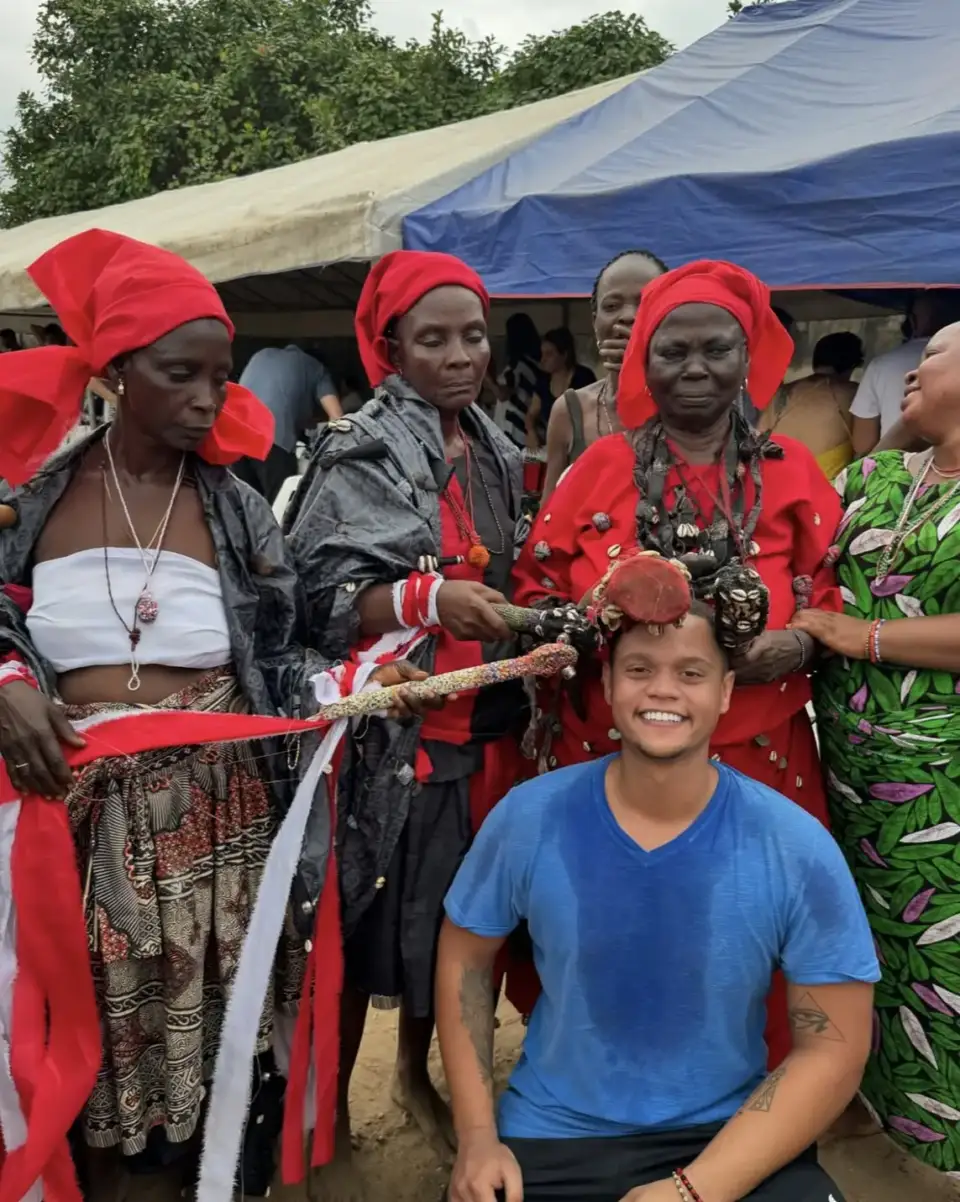
African witch doctor: where the expression comes from
The expression was spread by colonial administrators, missionaries and travellers, who called “witch doctor” any African healer, diviner or priest. It mixed contempt and fear, and it put in the same basket those who heal and those who harm. In Benin, nobody calls a priest a witch doctor: each charge has its own name.
Priest, bokonon, vodunsi: who does what in Benin
- The priest serves one or several voodoo spirits in a temple or a convent. He holds the charge of the altars, leads the ceremonies and the offerings.
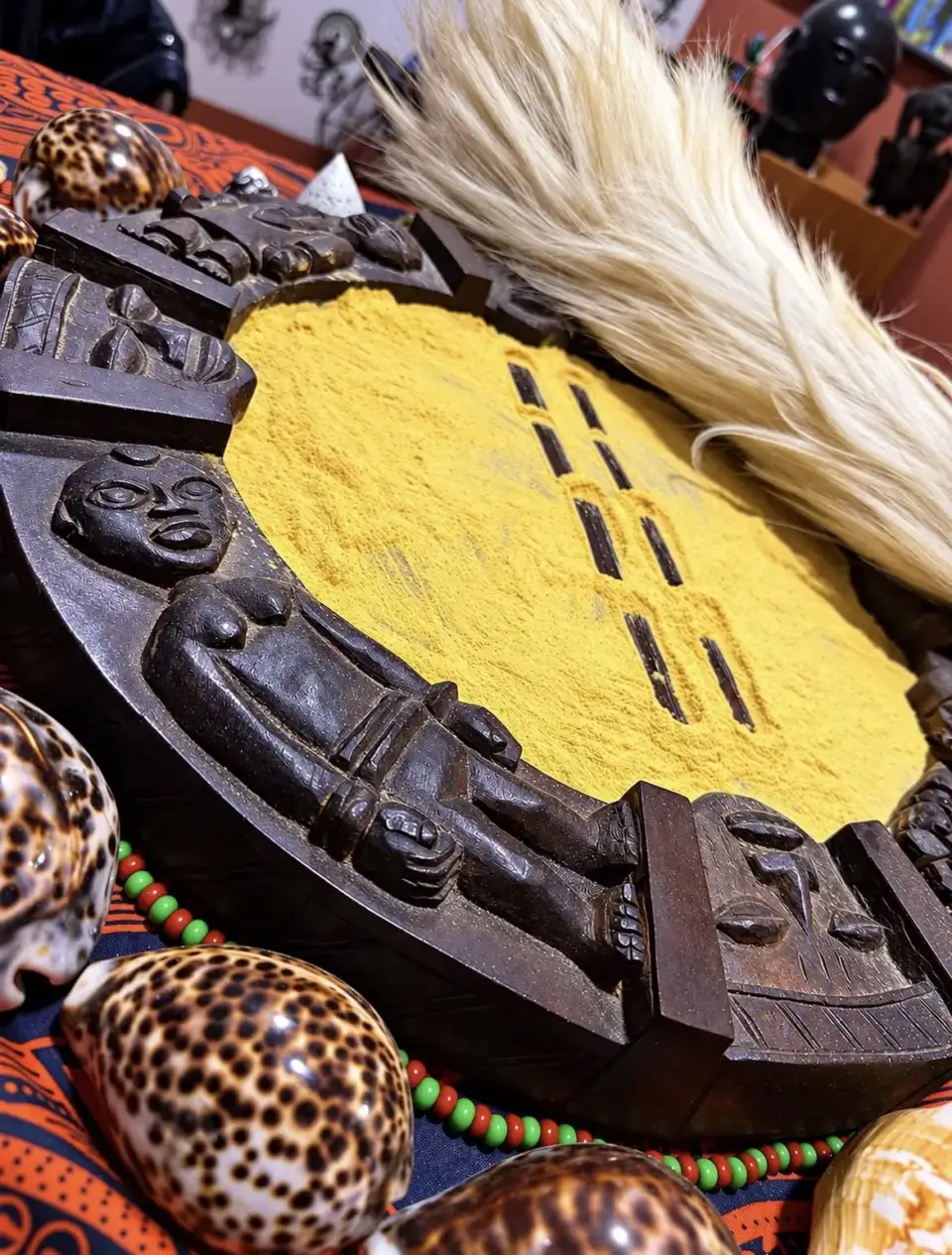
- The bokonon is the diviner of the Fâ. He consults with the opèlè and the tablet, reads the signs and says what must be done.
- The vodunsi are the initiates, women and men, in the service of a voodoo spirit. See voodoo initiation.
Wêtê Agbonon is both a priest and a bokonon. He received his charge in his family, in Sakété, and consults with the opèlè and the tablet of his ancestor.
What a voodoo priest does every day
His days are made of consultations, prayers and offerings. He consults the Fâ for those who write to him, prepares what each voodoo spirit asks for, leads the rituals on the altars, and keeps the temple. He reports back to his clients and answers their questions after the work. The page voodoo spells: what he does presents the areas he works in.
Witchcraft and voodoo
In Benin, people distinguish voodoo, a religion served by priests, from witchcraft, knowledge turned to harm. The two words get mixed up in Europe and America. At the Sakété temple, they are kept apart: Wêtê Agbonon lifts charges and protects, and never works against anyone. See black magic: signs and protection.
The voodoo witch of films
The “voodoo witch” of films, costumes and novels comes from the European and American imagination, where the word witch means a woman who harms. In Benin, women hold a large place in voodoo: many vodunsi are women, and some serve as priestesses. They pray, sing, dance and keep the altars, and they protect and repair like the priests.
What he answers
African witch doctor: 5 truths from a voodoo priest
What Wêtê Agbonon tells people who write to him looking for an african witch doctor.
The word comes from outside
Colonial writers called every healer and priest a witch doctor.
Each charge has a name
Priest, bokonon, vodunsi: in Benin, everyone knows who does what.
A priest consults first
Nothing is done before the Fâ has answered.
A priest works with his hands
Offerings, prayers and rituals are led by him, on the altars of his temple.
A priest never harms
No revenge, no forced will, no culprit named.
Witch doctor, healer, diviner: three different things
In English, “witch doctor” lumps together very different people. In Benin, a priest serves a vodun in a temple or a convent; a diviner, the bokonon, consults the Fâ to shed light on a situation; healers who know plants care for the sick in their own way. One person can hold more than one of these roles, but none of them is a sorcerer: the sorcerer is the one who harms, and all of them fight him.
What a consultation with a bokonon is like
Those who write to Wêtê Agbonon for the first time are often surprised by how calm it is. You explain your situation in a few lines, he asks questions, then consults the Fâ at the temple, free of charge. He reports the answer as it is: what is happening, what is blocking, what can be done, or that nothing needs to be done. There is no theatre and no pressure, and you remain free to stop there.
Questions to ask any African witch doctor before paying
- Where is your temple? A real priest can name it and show it.
- Do you consult before you quote? The answer should be yes, every time.
- Will you put the price and the time in writing? Without a written quote, pay nothing.
- Will you work against someone? The answer should be no.
- Who will carry out the ritual? The person you write to, not an unnamed go-between.
Why he answers with the Fâ, not with promises
Promises are easy to write and impossible to check. The Fâ gives an answer for your situation, at the moment you ask: sometimes that a work is indicated, sometimes that it is not, sometimes that nothing can be done. Wêtê Agbonon commits only to what the Fâ has shown, and he commits in writing. That is the opposite of the witch doctor of the ads, who has an answer for everything before he has heard anything.
The witch doctor in films
The image of the African witch doctor owes a great deal to cinema. In 1932, White Zombie put the Haitian zombie on the screen. In 1973, a James Bond film turned Baron Samedi, a figure of Haitian vodou, into a villain. In 2009, a Disney cartoon gave New Orleans its “doctor” with tarot cards. These films fixed a silhouette, top hat, skull and doll, that looks like no priest in Benin.
Zombies: where the myth comes from
The zombie belongs to Haitian folklore, where it names a person believed to have lost their will. The ethnobotanist Wade Davis devoted a famous book to it in the 1980s, which cinema then took up. This myth is not part of what is served in the temples of Benin: no zombies are made there, and no serious priest claims to make them.
What you can ask a voodoo priest
- A Fâ consultation, free with Wêtê Agbonon: see voodoo consultation.
- Protection, for yourself, your home or your business: see protection spell.
- The lifting of a charge, when the Fâ confirms it: see curse removal.
- A ritual for a bond that has come undone: see voodoo love spells.
- An initiation, when a vodun calls: see voodoo initiation.
The fear of families
Sometimes a family worries when one of its members consults a “witch doctor”. The fear is understandable: the word suggests night, harm and threats. A Fâ consultation, however, goes like a conversation: you ask a question, the diviner consults, and he tells you what the Fâ answered. Nothing is done against you or your loved ones, and you remain free not to follow up.
What a real place of worship shows
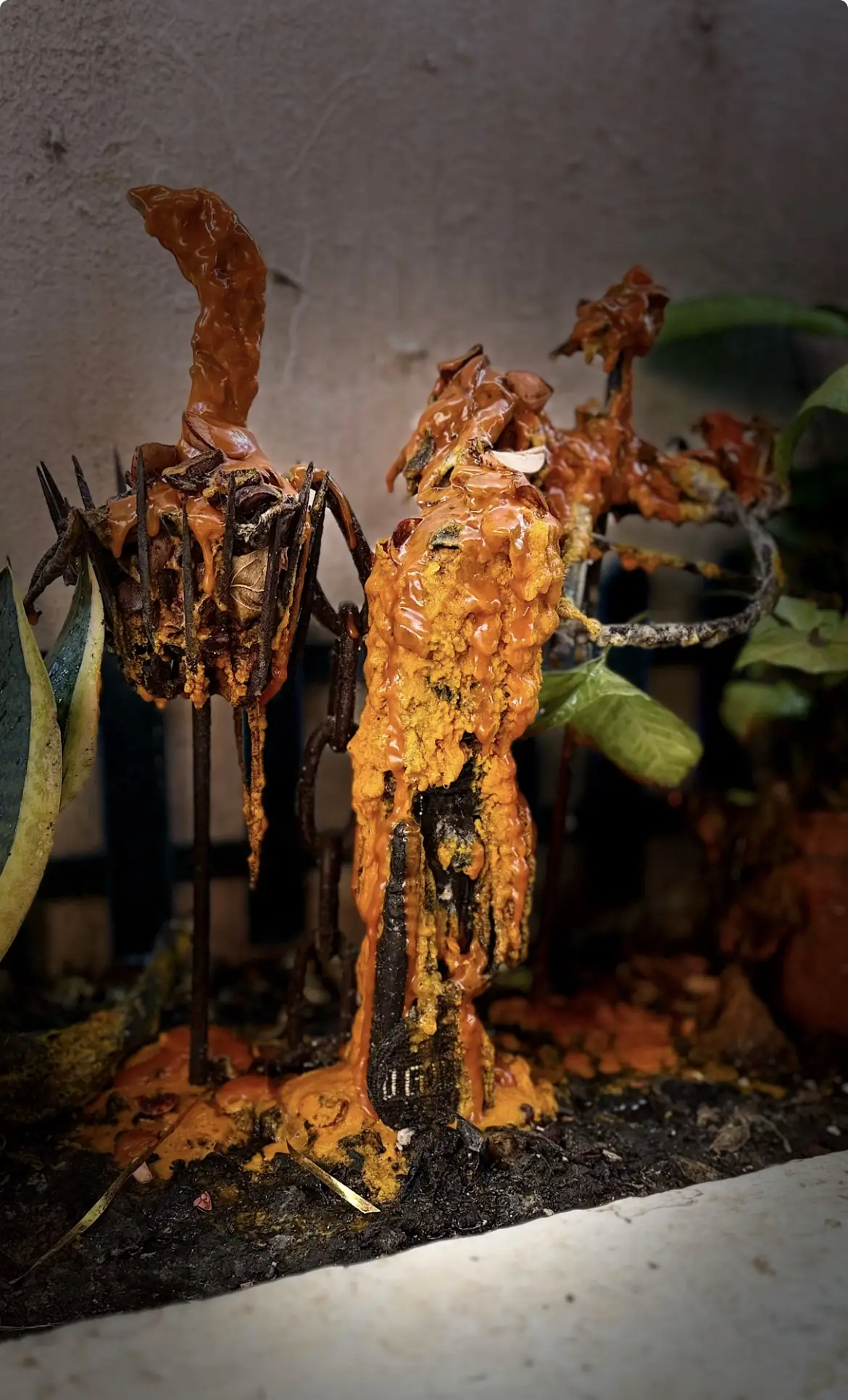
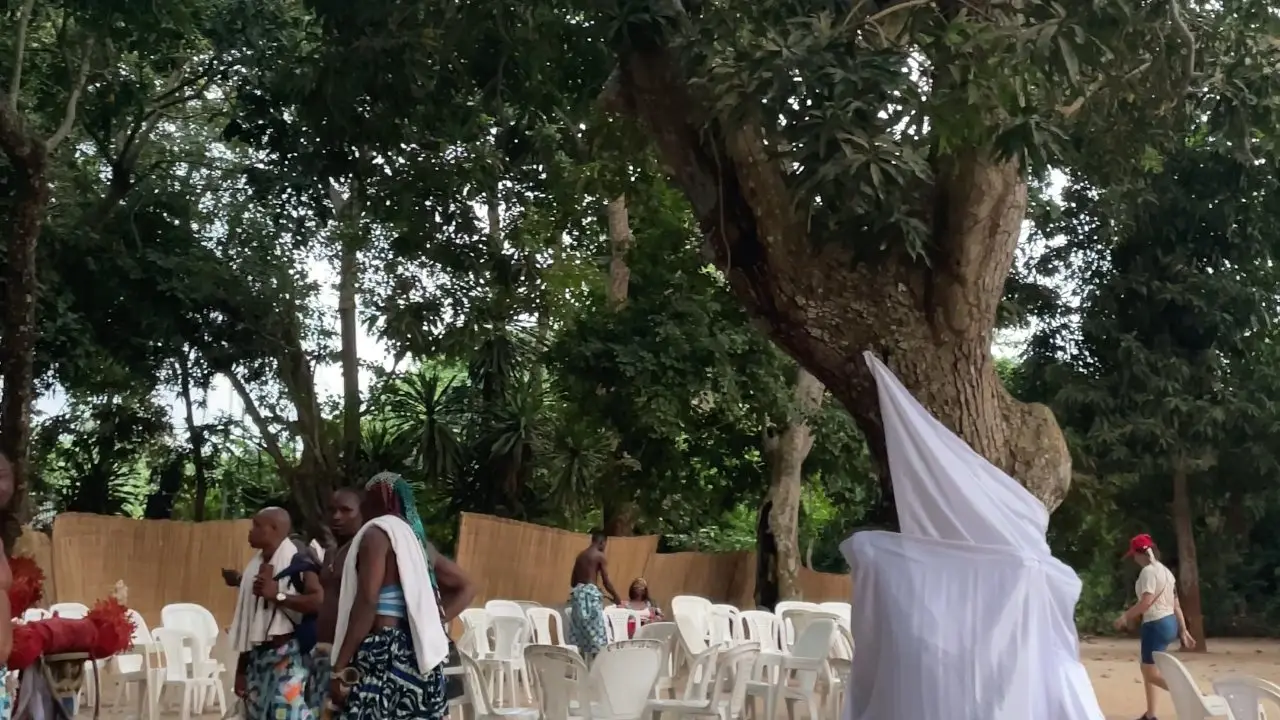
A real priest works in a place you can locate: a temple, altars, a courtyard, a family that lives there. The photographs of the Sakété voodoo temple show this ordinary setting, far from film sets. You see jars, kaolin, red oil, statues in the sacred forest, and people praying.
The right words, in short
In Benin, people say vodunon for the priest who serves a vodun, bokonon for the one who consults the Fâ, and vodunsi for the initiates. The word sorcerer names the one who harms, which priests fight against. Using the right words is already a way out of the clichés of the African witch doctor.
Why the label still sells
Search engines and advertisers know that “witch doctor” attracts clicks, and many pages use the word to sell spells by the dozen. A priest who has received the charge of serving the vodun does not sell spells from a catalogue: he consults the Fâ, says what can and cannot be done, and only then commits in writing. That difference is easy to check before you pay anyone.
Voodoo of Benin, Haiti and Louisiana
The voodoo of Benin crossed the Atlantic with the people deported during the slave trade. In Haiti, it became Haitian Vodou, a religion with its own spirits, its own history and its own priests. In Louisiana, Voodoo and hoodoo, a folk magic of the American South, took yet other forms. The word witch doctor was used for all of them, which says more about those who used it than about those it described.
What the old postcards of Dahomey show
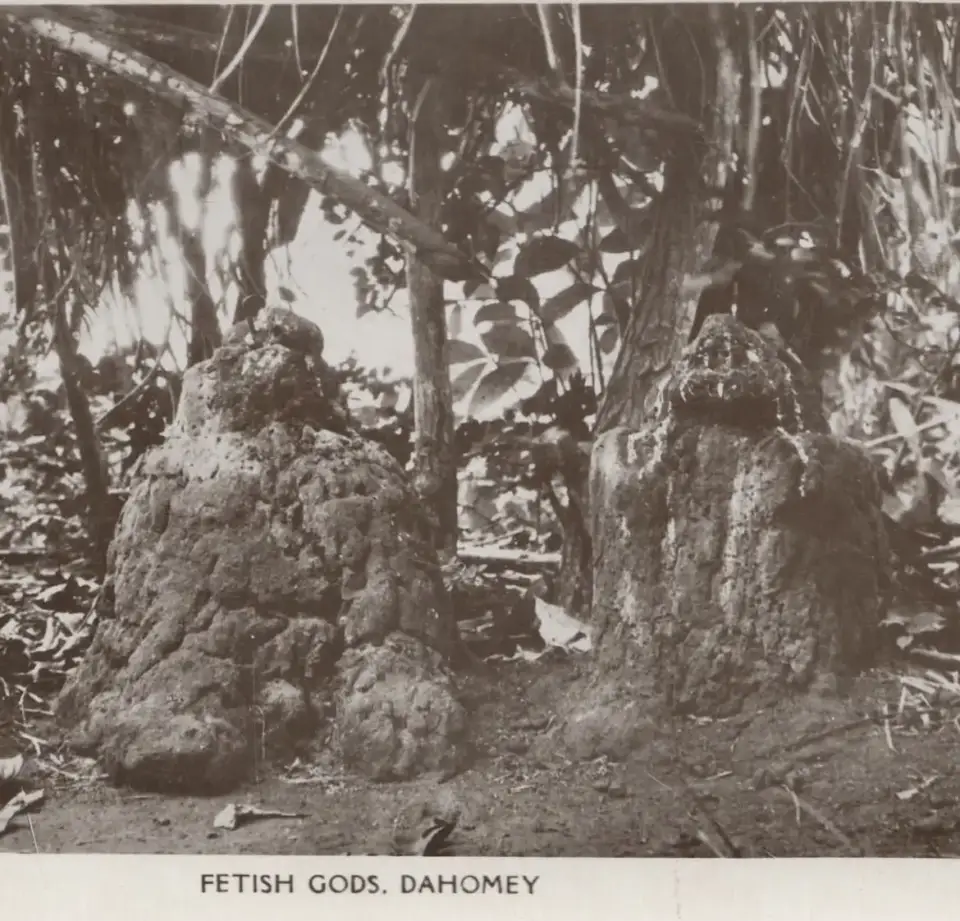
At the beginning of the twentieth century, postcards printed in colonial Dahomey, today Benin, showed altars captioned “fetishes” and priests captioned “fetishers”. These images fed a century of misunderstanding. Today, the temples of Benin welcome visitors who come to understand what was really photographed.
Why people look for an african witch doctor
Behind the search, there is usually a real need: a bond that came apart, a run of bad luck, a fear of having been targeted, a wish for protection. Wêtê Agbonon listens to the need, whatever the word used. He consults the Fâ, free of charge, and tells you frankly whether he can act.
People who look for an african witch doctor online often meet impostors. Check what can be verified: a temple, a lineage, a consultation before any payment, a written quote, testimonies with faces visible. The page spell caster: 7 checks lists them one by one.
He commits only after consulting the Fâ. When he commits, he leads the work himself, to the end, and stays reachable afterwards. He takes your money only if he can act.
His limits
What a voodoo priest refuses
Harming anyone
No revenge, no “return to sender”.
Forcing a will
Never, even within a couple.
Promising a result
Nothing is promised before the Fâ has answered.
Asking for secrecy or urgency
You can talk about your request with anyone, and take your time.
Questions
What people ask about the african witch doctor
What is an african witch doctor?
An expression from the colonial period, used for any African healer, diviner or priest. In Benin, people speak of priests, bokonon and vodunsi, each with a precise role.
Is Wêtê Agbonon a witch doctor?
He is a voodoo priest and a bokonon, a diviner of the Fâ, at the Sakété temple. Many people who write to him use the word witch doctor, and he answers them all the same.
What is a voodoo sorcerer?
In films, someone who casts spells to harm. In Benin, voodoo is served by priests who pray, protect and repair; harming belongs to witchcraft, which he refuses.
Is there such a thing as a voodoo witch?
The image comes from films and tales. In Benin, women serve voodoo as initiates or as priestesses; served by the rules, voodoo protects and repairs.
Can he do witchcraft for me?
No. He never works against anyone. He lifts charges, protects, and works on bonds when the Fâ says it is possible.
How can I consult him?
Write to him on WhatsApp: he answers himself, within two hours. The first exchange and the Fâ consultation are free.
Do zombies exist in Benin voodoo?
No. The zombie belongs to Haitian folklore and to cinema; none are made in the temples of Benin.
Who is Baron Samedi?
A figure of Haitian vodou, linked to the dead. He is not served in the temples of Benin.
Can a witch doctor make someone fall in love?
A serious voodoo priest never forces anyone’s will. The Fâ says what blocks a bond, and the ritual it points to works on that block.
How does someone become a voodoo priest?
The charge is received, often in a family that serves the vodun, then matures over years beside the elders. No quick course gives it.
Can I consult a bokonon if I am not from Benin?
Yes. Wêtê Agbonon receives people from every country, at the temple or from a distance.
Why do films show dolls and skulls?
Because those images strike the imagination. They come mostly from Haiti, Louisiana and screenwriters.
What is a vodunsi?
A person initiated into the service of a vodun, woman or man.
Can I ask a voodoo priest to put a curse on someone?
Wêtê Agbonon refuses any work meant to harm. He lifts charges and protects, after consulting the Fâ.
What is the difference between a witch doctor and a voodoo priest?
“Witch doctor” is an outside label. A voodoo priest serves a vodun in a temple, consults the Fâ before acting and never works to harm.
Is a bokonon a witch doctor?
No. The bokonon consults the Fâ to shed light on a situation; he never works against anyone, which sets him apart from what people call a sorcerer.
Can an African witch doctor work remotely?
A voodoo priest consults the Fâ from a distance and carries out the ritual at the temple, then reports back to the person who asked.
Do African witch doctors use herbs?
Some healers in Benin know plants. Wêtê Agbonon gives no recipes to use at home; what the Fâ asks for is prepared at the temple.
Where can I see a real voodoo temple?
In Benin, in Ouidah, Abomey or Sakété. Photographs of the Sakété temple are published on this site.
Is consulting an African witch doctor safe?
With a real priest, yes: the consultation is free, nothing is promised before the Fâ, and nothing is done against anyone.
Why is the word witch doctor still used?
Out of habit and because it draws clicks. In Benin, people speak of priests, diviners and healers.
Read on
Before you write to him
Write to him
He answers himself, within two hours
The first exchange is free and confidential. You set out your situation, he consults the Fâ, then you decide freely.