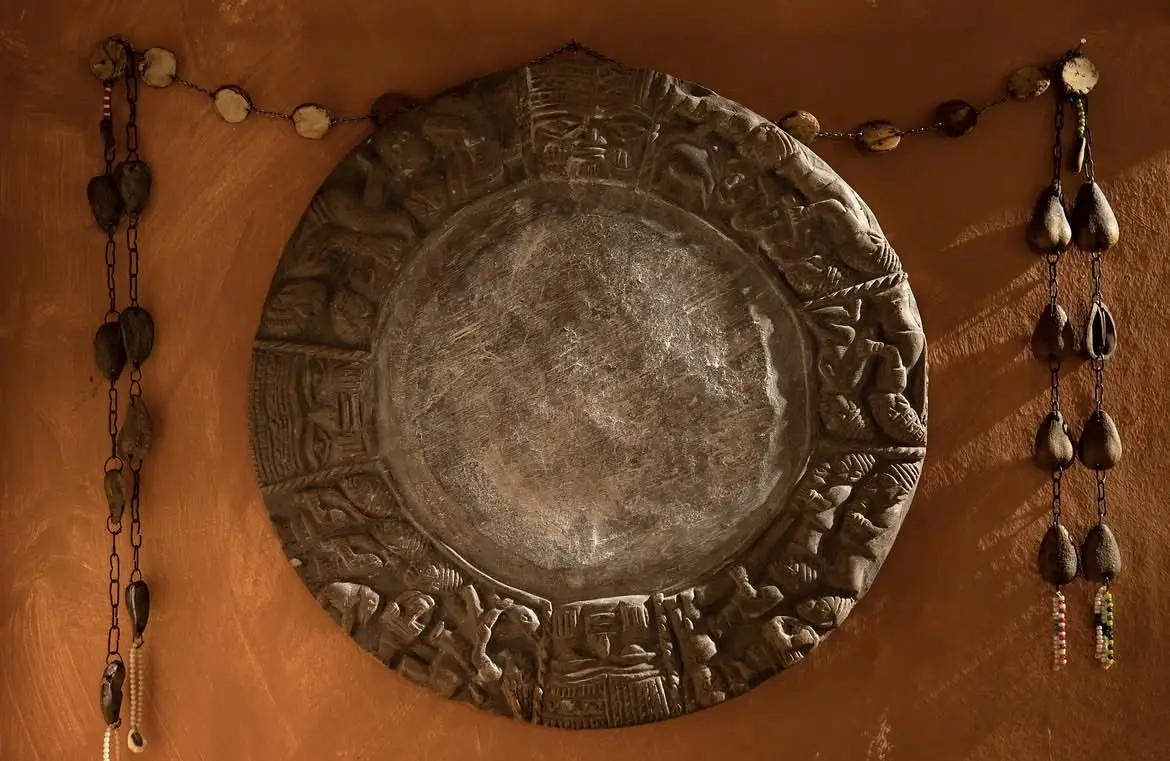
Babalawo · Sakété temple
Babalawo: a Fâ diviner from Benin, and how to consult him from abroad
A babalawo is a priest of Ifá, the great divination of the Yoruba. In Benin, the same art is called Fâ, and its diviner is the bokonon. Wêtê Agbonon, voodoo priest and bokonon at the Sakété temple, explains what a babalawo does, how the Fâ and Ifá are related, and how to consult him from anywhere, with a first consultation that is free.
Filmed testimony
“I was skeptical at first, but I’m honestly so grateful I gave it a chance.”
A client, face shown, in her own words
Ifá and Fâ
Babalawo and bokonon: one art of divination, two names
Where the Yoruba of Nigeria speak of a babalawo, the Fon of Benin speak of a bokonon. Both are trained for years to read the signs of the same divination: Ifá for the first, Fâ for the second. Wêtê Agbonon belongs to the second group: a bokonon whose family passed him the service of the voodoo temple at Sakété. When you write to him, he casts the opèlè chain, reads the signs it draws, and tells you what they show.
The consultation is free and it is done at a distance. If the Fâ shows that an offering or a ritual is needed, he explains it and gives you a written quote; that work is paid, and you are free to decline. If the Fâ shows nothing to be done, he tells you so, and you owe nothing.
Inside a Fâ consultation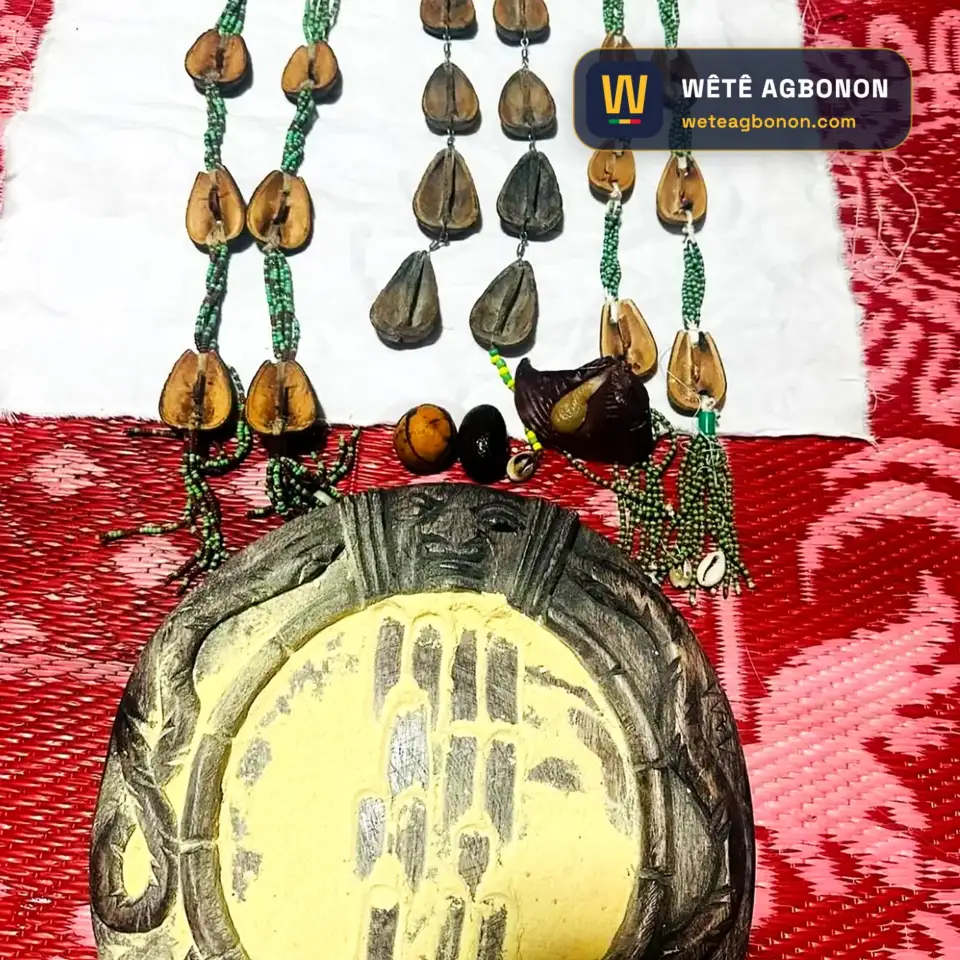
What is a babalawo?
In Yoruba, babalawo means “father of the secrets”. A babalawo is a priest of Ifá, the divination system attributed to Orunmila, the spirit of wisdom and destiny. He is trained for many years by an elder, learns an immense body of verses by heart, and uses consecrated tools to reveal which sign, among 256, answers the question of the person who consults him. He then explains what the sign says about that person’s path, and what offerings or precautions it asks for.
People consult a babalawo before important decisions, in times of trouble, or to understand their destiny. In Nigeria, in Benin and across the diaspora, the babalawo is less a fortune teller than an adviser who reads a sacred text for one person at a time, and who knows what that text asks of them.
Ifá, Fâ, Afa: one divination across West Africa
The same divination lives under several names along the Gulf of Guinea. The Yoruba call it Ifá; the Fon of Benin call it Fâ; the Ewe of Togo and Ghana call it Afa. The tools, the signs and much of the teaching are shared, while each people reads them in its own language and serves its own spirits. The Ifá divination system appears on UNESCO’s list of the intangible cultural heritage of humanity, in recognition of its age and depth.
In Benin, the Fâ is consulted at every stage of life: at birth, before a marriage, before a journey, during an illness in the family, when a decision weighs. The bokonon who reads it is respected as the keeper of that knowledge, and many bokonon are also priests who serve the voodoo altars.
Babalawo and bokonon: what they share, and what differs
A babalawo and a bokonon share the essential: a long apprenticeship under an elder, a corpus learned by heart, consecrated tools, and the duty to say what the signs show, even when it is not what the person hoped to hear. Both use a divination chain, called opele in Yoruba and opèlè in Benin, and both may use consecrated palm nuts for the most solemn readings.
They differ in language, in the names of the spirits they serve, and in some rites. The babalawo works within the world of the orisha; the bokonon within the world of the voodoo spirits of Benin. Wêtê Agbonon is a bokonon, not a Yoruba babalawo, and he says so plainly. For someone looking for a babalawo near them and finding none, a bokonon of the Fâ offers the same art, read from the land where voodoo was born.
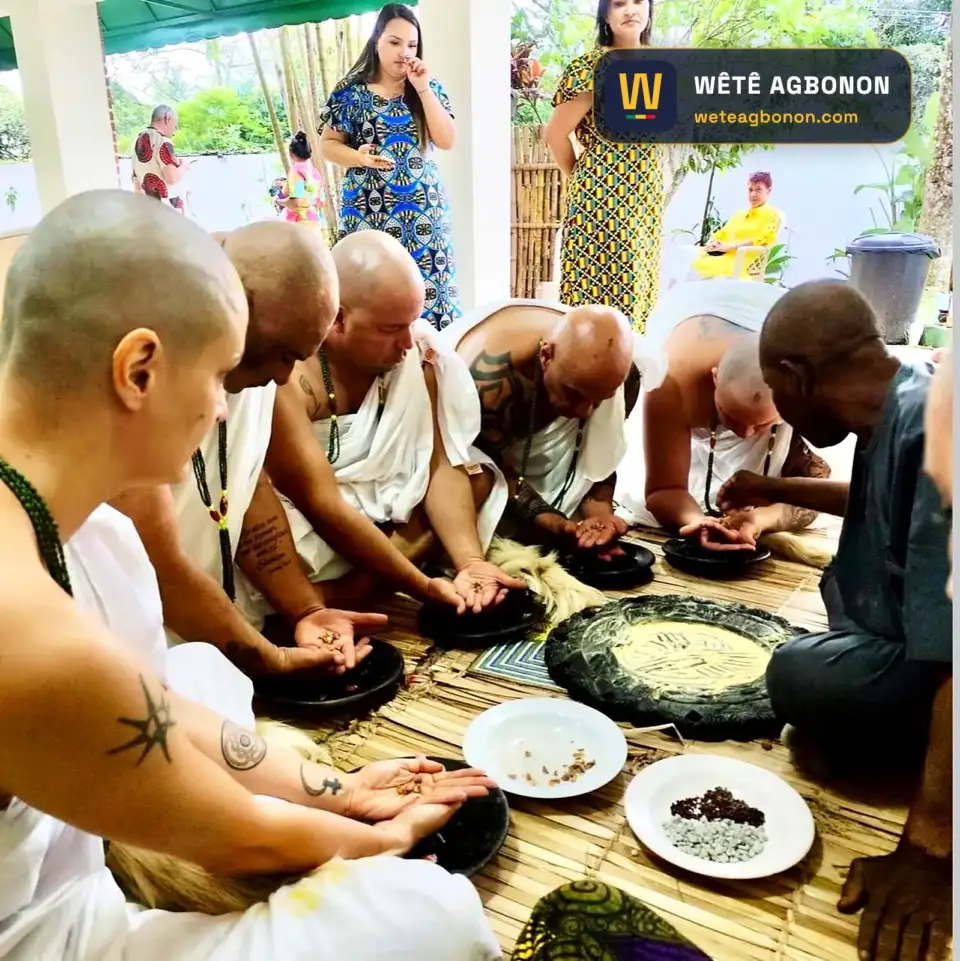
What people consult a babalawo for
The questions brought to a babalawo or a bokonon are the questions of life. The most common at the Sakété temple are these:
- Love: a partner who left, a bond that is fading, a family opposed to a couple.
- Work and money: doors that keep closing, a project to start or to abandon, a dispute with a partner.
- Bad luck and blockages: failures that repeat, a feeling of being held back from every side.
- Family: rivalries, inheritances, a child drifting away, the ancestors to honour.
- Protection: whether a charge weighs on a person or a home, and how to be protected.
- Big decisions: a marriage, a move abroad, a trial, an initiation.
The tools of the reading
In Ifá, the babalawo works with ikin, sixteen consecrated palm nuts kept for the weightiest consultations, and with the opele, a chain of eight half-shells that falls open or closed and gives a quicker answer. The signs are marked in a fine powder spread on a carved tray, the opon Ifá. The Fâ of Benin uses the same family of tools under Fon names, and the bokonon reads them in the same spirit: a sign is drawn, then interpreted.
Each sign opens onto a body of verses, stories and prescriptions that the diviner has learned over many years, and the reading takes place there, in that knowledge.
Sixteen signs, two hundred and fifty-six answers
Ifá and the Fâ rest on sixteen principal signs. Combined in pairs, they give two hundred and fifty-six figures, each with its own verses, its warnings and the offerings it may call for. A trained diviner recognises the figure, recalls what the tradition attaches to it, and applies it to your question.
That is why training takes so long, and why a serious bokonon can tell you who taught him. It is also why the names of the signs are handled with care: they belong to the teaching, and the reading you receive gives you their meaning in plain words.
How a babalawo or a bokonon is trained
Nobody becomes a babalawo or a bokonon by declaring it. The apprenticeship lasts years, under an elder who teaches the signs one by one, the verses attached to each, the prayers, the offerings and the conduct expected of a diviner. Often the office runs in a family, parent to child; sometimes the divination itself picks someone out. Either way, the apprentice is initiated, and only then allowed to consult for others.
Wêtê Agbonon received his charge from his lineage, at the Sakété temple, where the opèlè of his ancestor still lies with his own Fâ tablet. That continuity matters to those who consult him: the reading they receive is the one his elders taught, not an improvisation.
Ifá, the Fâ and the ancestors
In both traditions, the ancestors are never far from the divination. A sign may show that a forefather was forgotten, that a family promise was left unfulfilled, or that a quarrel between relatives keeps a door closed. The answer is then rarely spectacular: a gesture of respect, a prayer, a reconciliation within the family. A serious babalawo or bokonon reads what the signs show and says what they ask, without inventing hostile ancestors to frighten you.
Santería babalawo, santero and bokonon
In Cuba and across the Americas, the Yoruba tradition survived as Lucumí, often called Santería. There, the babalawo is the priest of Ifá, while the santero or santera is initiated into the cult of an orisha. Many people in the United States first meet the word babalawo through Santería, and look for a babalawo near them for a reading, an offering or an initiation.
Wêtê Agbonon does not perform Lucumí rites. He serves the Fâ and the voodoo of Benin, at his temple. What he offers to someone raised in, or drawn to, the Yoruba tradition is a reading of the same divination, from its Fon branch, with the same seriousness: the signs first, the offerings only if the signs ask for them.
Why the Fâ is consulted before every decision
In Benin, nobody waits for a crisis to consult the Fâ. Families consult it when a child is born, before a marriage, before building a house, before a long journey, before signing an important agreement. The reading shows what to watch for, what to honour and when to act; the decision remains theirs. Those who consult Wêtê Agbonon from abroad often adopt the same habit, asking the Fâ before each important step of their lives, and each consultation remains free.
Is a babalawo demonic?
The question comes up often, usually from people raised with missionary or Hollywood images of African religions. Ifá and the Fâ are ancient systems of knowledge and prayer, centred on destiny, ancestors and the balance between people and the spirits. They do not worship evil. Like any tradition, they have serious practitioners and impostors, and the impostors are the ones who use fear to sell rituals. On the question of danger, read is voodoo dangerous? A priest answers.
Babalawo near me: when there is none nearby
Many people search for a babalawo near them and find no one, or find names they cannot verify. In the United States, the Ifá community is concentrated in a few cities, and outside them the choice is thin. Others find a babalawo nearby but feel pressured into expensive initiations before they even understand their situation.
A Fâ consultation at a distance answers that need. Your signs are cast at Sakété under your name, and the reading is sent to you in writing or as a voice message. Most of the people he reads for have never been to Benin, and what they share stays with him.
How to recognise a real babalawo or bokonon
Whether you consult a babalawo near you or a bokonon far away, the same signs of seriousness apply:
- He was trained by an elder and can tell you by whom, and where.
- He reads your situation before proposing anything.
- He tells you when the signs show nothing to be done.
- He never uses fear to sell an offering or an initiation.
- His price is clear, written, and does not grow along the way.
- His identity can be checked: a name, a temple, witnesses.
Apply that last test to him: his birth name, the Sakété temple, his family line and the France 24 coverage are all public. Because impostors exist, his real accounts are listed, and clients tell their stories on camera.
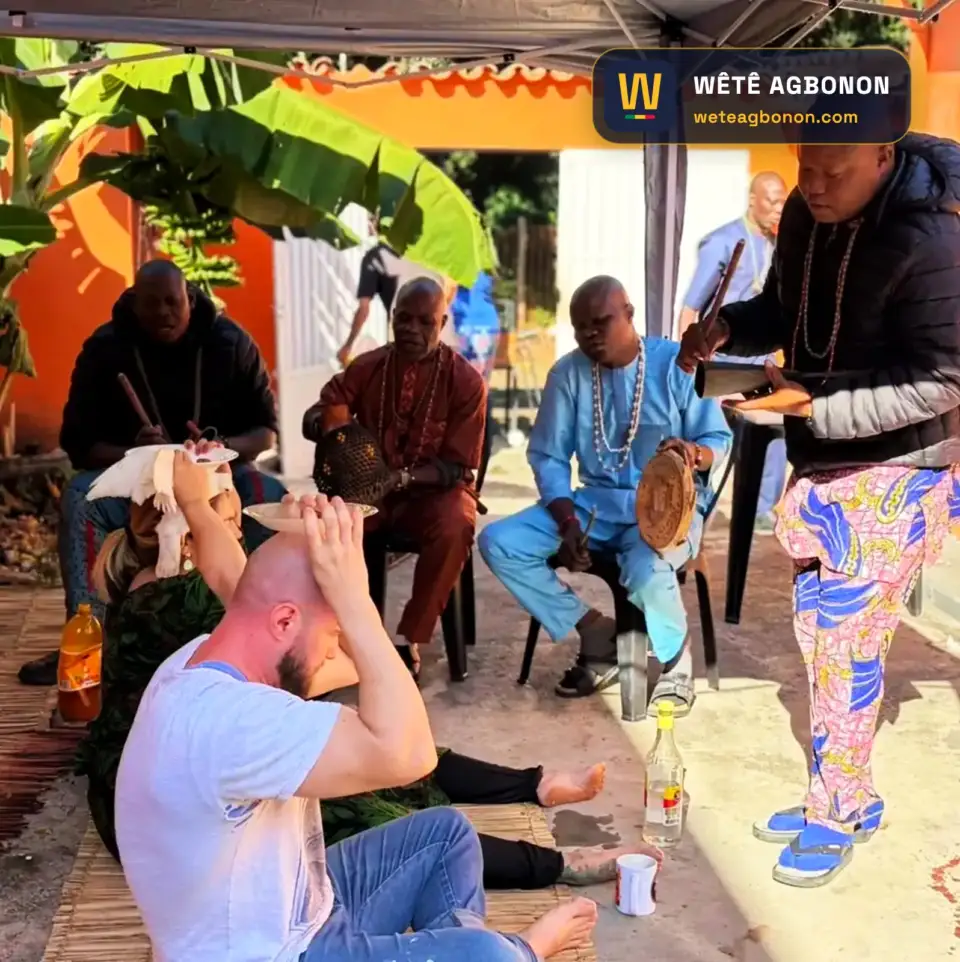
What the Fâ can show you
A reading of the Fâ does not look like a horoscope. It starts from your question and returns to your life. It may show that a love is still alive and what blocks it; that a run of bad luck comes from a charge placed out of jealousy, or simply from a partner who does not deserve your trust; that a family conflict waits for a gesture towards the ancestors; that a journey should wait, or that the time is right. It may also show that nothing spiritual is at stake, and that a doctor, a lawyer or a conversation will help more than any offering.
After the reading: offerings and the written quote
In Ifá as in the Fâ, a sign often asks for something: an offering, a prayer, a precaution. When the Fâ asks for work at the temple, Wêtê Agbonon explains what it is, which spirit it addresses and why, and gives you a written quote. You accept and settle that quote before anything starts, and he performs the work in person at Sakété. His rule never changes: only the consultation is free.
If the sign requires nothing, the reading and its advice are all you take away, with nothing to pay. Many consultations end that way.
What a babalawo reading costs
In many Yoruba and Lucumí houses, a reading is paid, and the fee, often called a derecho in Santería, is part of the tradition. Practices differ from one house to another, and a fair fee for a reading is no sign of fraud in itself. Wêtê Agbonon chose another rule for his temple: the Fâ consultation is free, and only the work it may call for is paid, on a written quote settled before anything begins.
Questions to ask before any reading
Before you send your name and photograph to anyone, ask these questions and keep the answers in writing:
- “Who trained you, and where do you consult?”
- “Is the first consultation free, or how much does it cost?”
- “What happens if the signs show nothing to be done?”
- “If an offering is needed, will the price be written before?”
- “Can I decline without consequences?”
Wêtê Agbonon answers each one the same way, every time: his elders, at the Sakété temple; free; he tells you, and nothing is proposed; yes, a written quote; yes, with no consequence at all.
A babalawo reading online: what to send
To consult the Fâ from abroad, send four things: your full name as it appears on official documents, your date of birth, a recent photograph where your face is clearly visible, and your question in a few lines. For a question about love, add, if you can, the name, date of birth and photograph of the other person. Send it through his contact page; he reads it himself and replies in English.
His method is detailed in how a voodoo consultation unfolds, and his priestly duties in what a voodoo priest does.
Questions
What people ask about the babalawo
What does babalawo mean?
In Yoruba, babalawo means “father of the secrets”. He is a priest of Ifá, trained to read its signs and explain what they ask.
Is a bokonon the same as a babalawo?
They practise the same divination under two names: Ifá among the Yoruba, Fâ among the Fon of Benin. Wêtê Agbonon is a bokonon of the Fâ.
How can I find a babalawo near me?
Look for someone trained by an elder, who reads before proposing, writes his price and can be verified. If no one is nearby, a Fâ consultation at a distance is possible.
Can a babalawo reading be done online?
Yes. The signs are cast for you at Sakété, and the reading travels to you as text or audio.
Is a babalawo demonic?
No. Ifá and the Fâ are ancient systems of knowledge and prayer centred on destiny and balance. Fear is the tool of impostors.
What is the difference between a babalawo and a santero?
In Lucumí, the babalawo is the priest of Ifá, while the santero is initiated into the cult of an orisha.
Does Wêtê Agbonon perform Santería initiations?
No. He serves the Fâ and the voodoo of Benin at his temple, and does not perform Lucumí rites.
How is a babalawo trained?
For years, under an elder who teaches the signs, the verses, the prayers and the offerings. Wêtê Agbonon received his charge as a bokonon from his lineage.
Write to him
He answers himself, within two hours
The first exchange is free and confidential. You set out your situation, he consults the Fâ, then you decide freely.