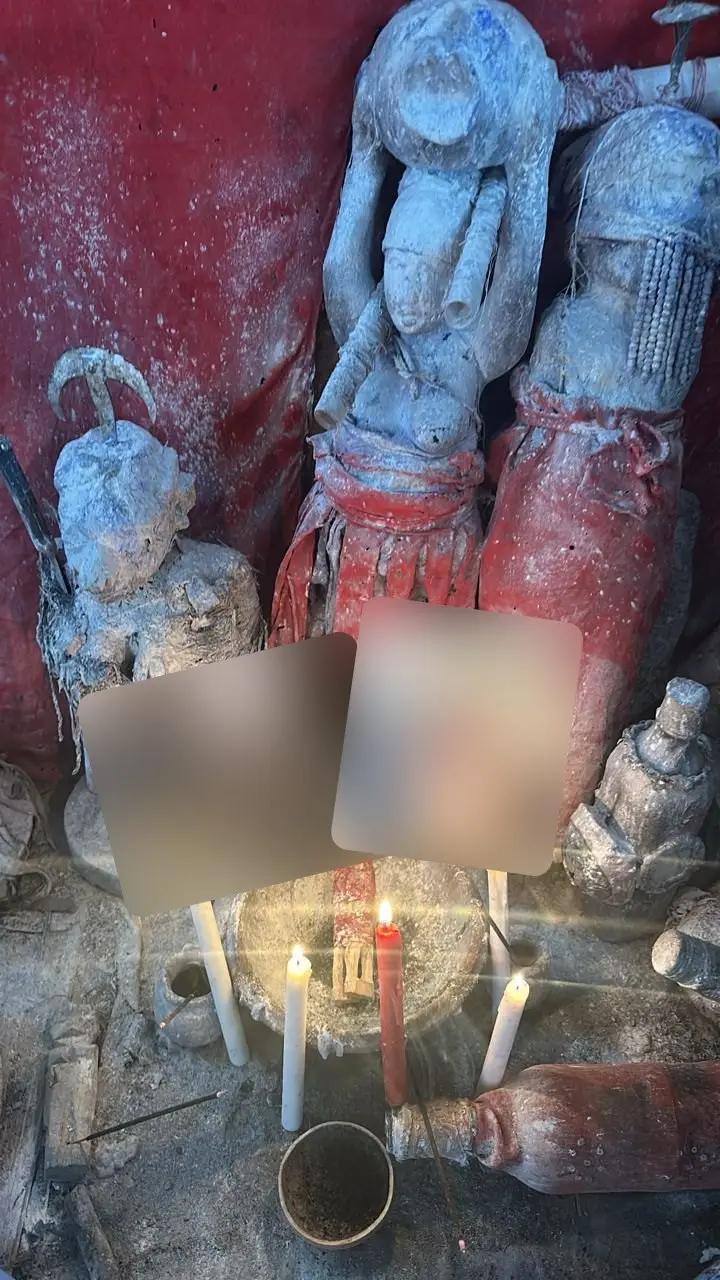
Binding love spell · Sakété temple
Binding love spell: what a voodoo priest from Benin will bind, and what he never will
A binding love spell promises to tie two people together. Wêtê Agbonon, who keeps a voodoo temple at Sakété in Benin, sets out what such work can honestly reinforce, what he will never tie, and why each request begins with a free reading of the Fâ.
Filmed testimony
“I was skeptical at first, but I’m honestly so grateful I gave it a chance.”
A client, face shown, in her own words
The first question
Binding love spell: first, find out what the bond really is
A request to bind two people is the request Wêtê Agbonon examines most carefully. Before anything, he casts the opèlè and asks the Fâ a precise question: is this love shared, and what is threatening it? A bond the sign shows to be mutual can be protected; a one-sided wish cannot honestly be turned into love.
So the answer you receive may be a plan, quoted work at the temple for a couple under pressure, or a refusal, explained. Either way, the reading itself is free, and nothing is bound before you have read and accepted a written quote.
What happens during the reading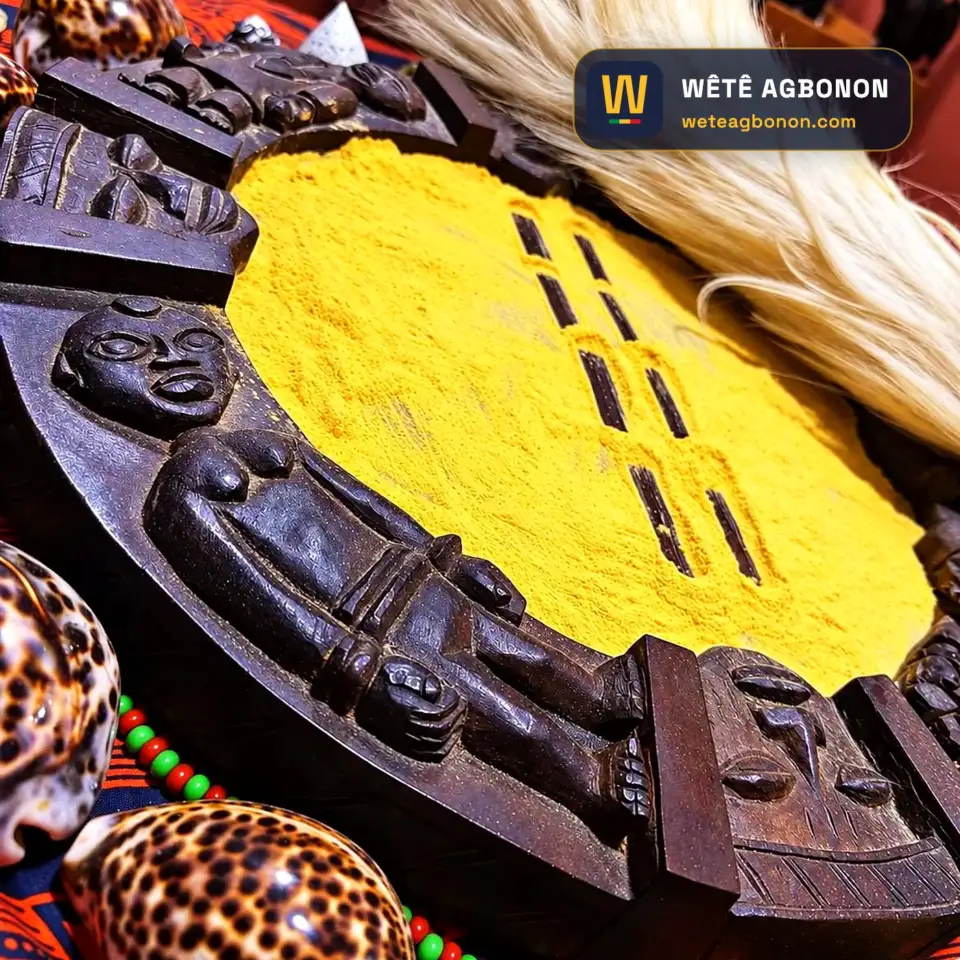
What a binding love spell is
In popular magic, a binding love spell is meant to tie one person to another: to keep a partner faithful, to stop someone from leaving, or to make a lover come back and stay. The words come from European folk magic, Hoodoo and modern witchcraft, and they are sold online in every form, from candle kits to “powerful voodoo binding” ordered in a few clicks. Some of these offers promise to bind a person forever, whatever they feel.
The voodoo of Benin does not use the vocabulary of binding. It speaks of bonds, of what nourishes them and what damages them, and of the spirits who watch over love and the household. When a request for a binding love spell reaches the Sakété temple, it is translated into a simpler question, asked to the Fâ: is there a shared bond here, and what does it need?
Hoodoo, witchcraft and voodoo: not the same binding
Many binding love spells sold online come from Hoodoo, the African American folk tradition of the southern United States, or from modern witchcraft. They rely on candles, jars, cords and personal items, and anyone can perform them at home. The voodoo of Benin is something else: a religion with temples, priests and spirits, where a request is first examined by divination, then carried out on the altars by the person who received that charge. The contrast is drawn in full in voodoo vs hoodoo.
This matters for anyone ordering a binding love spell. A kit bought online, a ritual copied from a video and a work conducted at a voodoo temple are not three versions of the same thing. They rest on different traditions, different rules and very different ideas of what may or may not be done to another person.
Why people ask for a binding love spell
Most requests come from fear. Fear that a partner will leave, after a first betrayal or a long distance. Fear that a family will separate a couple. Fear that a rival is taking a place. Some come after a breakup, from people who want the other to return and never leave again. Behind the word binding, there is almost always a love that feels fragile, and a person who does not want to lose it.
That fear deserves respect, and an honest answer. The honest answer begins with what the Fâ shows about the bond itself, because a love that is shared and threatened does not call for the same work as a love that is over.
What he will bind, and what he never will
Wêtê Agbonon will work to strengthen a bond that the Fâ shows to be shared: to protect a couple from outside interference, to calm a family that opposes it, to reinforce fidelity and commitment between two people who want to stay together. That is the only kind of binding love spell he accepts.
He will never bind a person who does not love you. He will never tie someone in suffering, create an obsession, or keep a person in a relationship they want to leave. Those works exist in the market, under many names; at the Sakété temple, they are refused, whatever the price offered. A love that lasts because one of the two is held against their will is not a love worth keeping, and the Fâ never asks for it.
Binding spell or commitment: the difference that matters
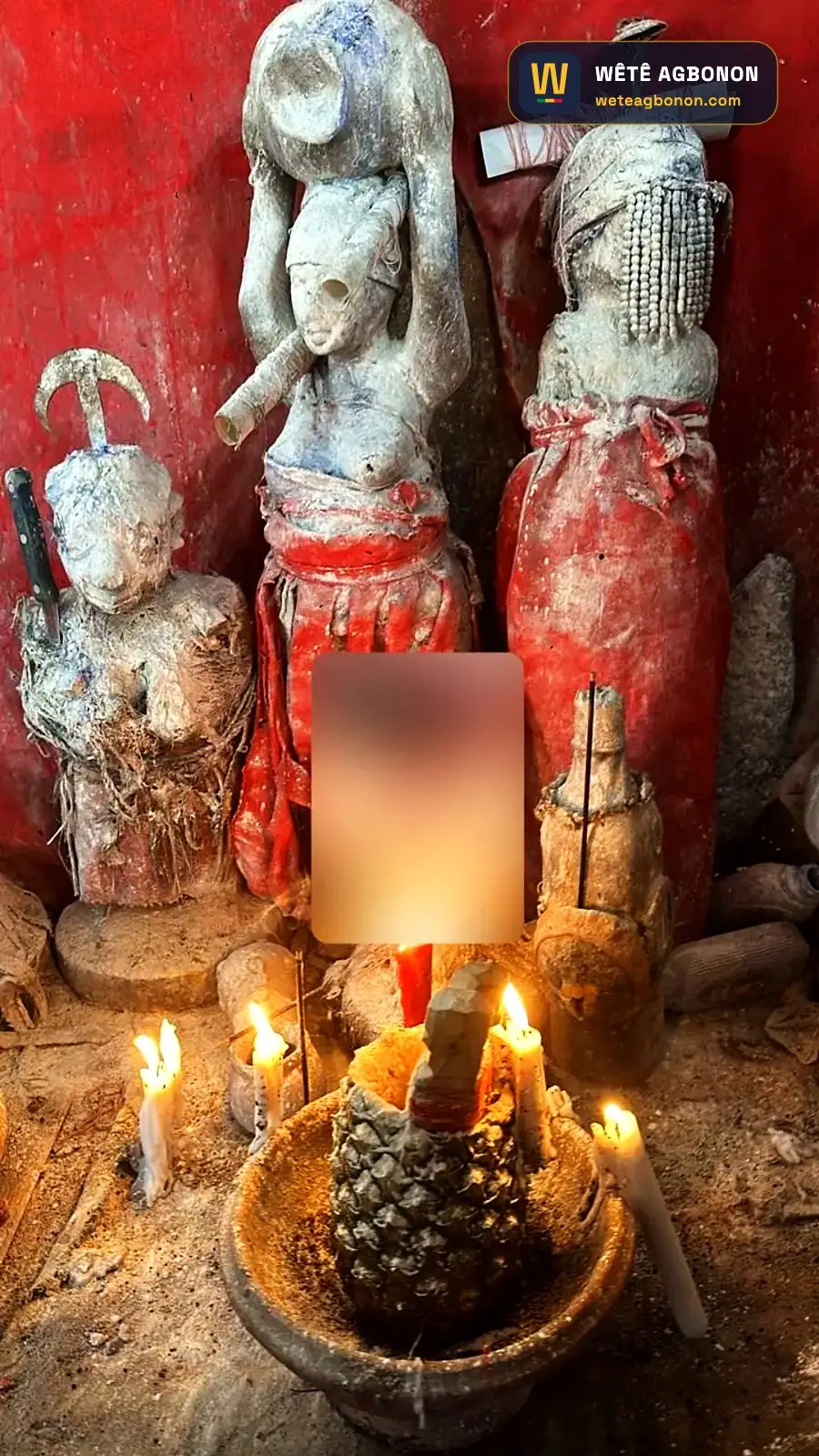
Two very different things hide behind the same words. One is a binding spell in the coercive sense: forcing attachment, overriding someone’s will. The other is work that strengthens a commitment two people have already made: a couple that wants to marry, a partner who wants to be faithful, a household that wants peace. The first is the one sold most loudly online; the second is the one a serious priest can honestly offer.
When you ask for a binding love spell, ask yourself which of the two you really want. If the person you love loves you too, what you need is protection and strength for that bond. If they do not, no honest priest can give you what you are asking for, and the Fâ will say so.
The risks of coercive binding spells
Those who have bought coercive binding spells before writing to the temple often describe the same aftermath: months of waiting, growing obsession, money spent on “reinforcements”, and a relationship that, if it resumed at all, felt wrong. Some describe being unable to move on because they believed the spell would eventually work. The real damage of a coercive binding love spell is to the person who orders it.
Binding for protection
The word binding is also used for protection: “binding” someone from harming you. At the Sakété temple, protection works exist; this page on the protection spell explains how one is prepared. They protect a person or a home; they never strike the one who threatens. If you fear that someone has bound you against your will, the Fâ consultation shows what is really happening, and curse removal explains how a charge is lifted.
Where a binding love spell can do some good
Strengthening work makes sense in a precise situation: love on both sides, even battered; a danger that comes from outside the couple, such as in-laws, a rival, a charge or great distance; and two people who, underneath it all, still want each other. The Fâ is the one that confirms these conditions, before anything is done.
In these cases, the work asks the spirits to protect the couple and strengthen what holds it together. Those who write to him afterwards describe calmer households, families that stop interfering, partners who recommit. These outcomes come from clients’ accounts, and he guarantees none of them.
When the Fâ refuses
The Fâ refuses binding when the love exists on one side only, when one of the two left to escape violence or control, when the request is really revenge, or when it would require harming a third person. You hear the truth even when it stings and, if the sign allows, how to heal and go on.
What a binding love spell cannot do
A binding love spell cannot erase a person’s free will, and anyone who claims otherwise is lying. It cannot make someone stay who has decided to go, repair a relationship built on violence, or replace the conversations a couple refuses to have. It cannot turn a passing attraction into a lasting love. What spiritual work can do, in the voodoo tradition, is protect a shared bond from what threatens it and ask the spirits to strengthen what already holds two people together.
Knowing these limits protects you from the most expensive mistakes. If what you need is something a spell cannot give, the Fâ will usually say so, and Wêtê Agbonon will tell you plainly, before any money is spent.
What depends on the couple
Even when the Fâ shows a shared bond and the work is done, part of the outcome belongs to the two people. The Fâ often gives simple advice: speak to each other before resentment settles, keep families at a reasonable distance, honour the promises made, stop testing the other’s loyalty. Couples who follow that advice describe steadier relationships than those who expect the ritual to do everything. Spiritual work and daily care go together.
Name, photograph, and nothing else
To consult the Fâ and, if needed, work on the altars, he asks for the names of both people, their dates of birth, a recent photograph of each, and an account of the situation. He never asks for hair, nails, bodily fluids or intimate objects, and he never asks for money before the Fâ has answered. Offers that require such things should make you walk away.
Binding a marriage: protecting a wedding or a new home
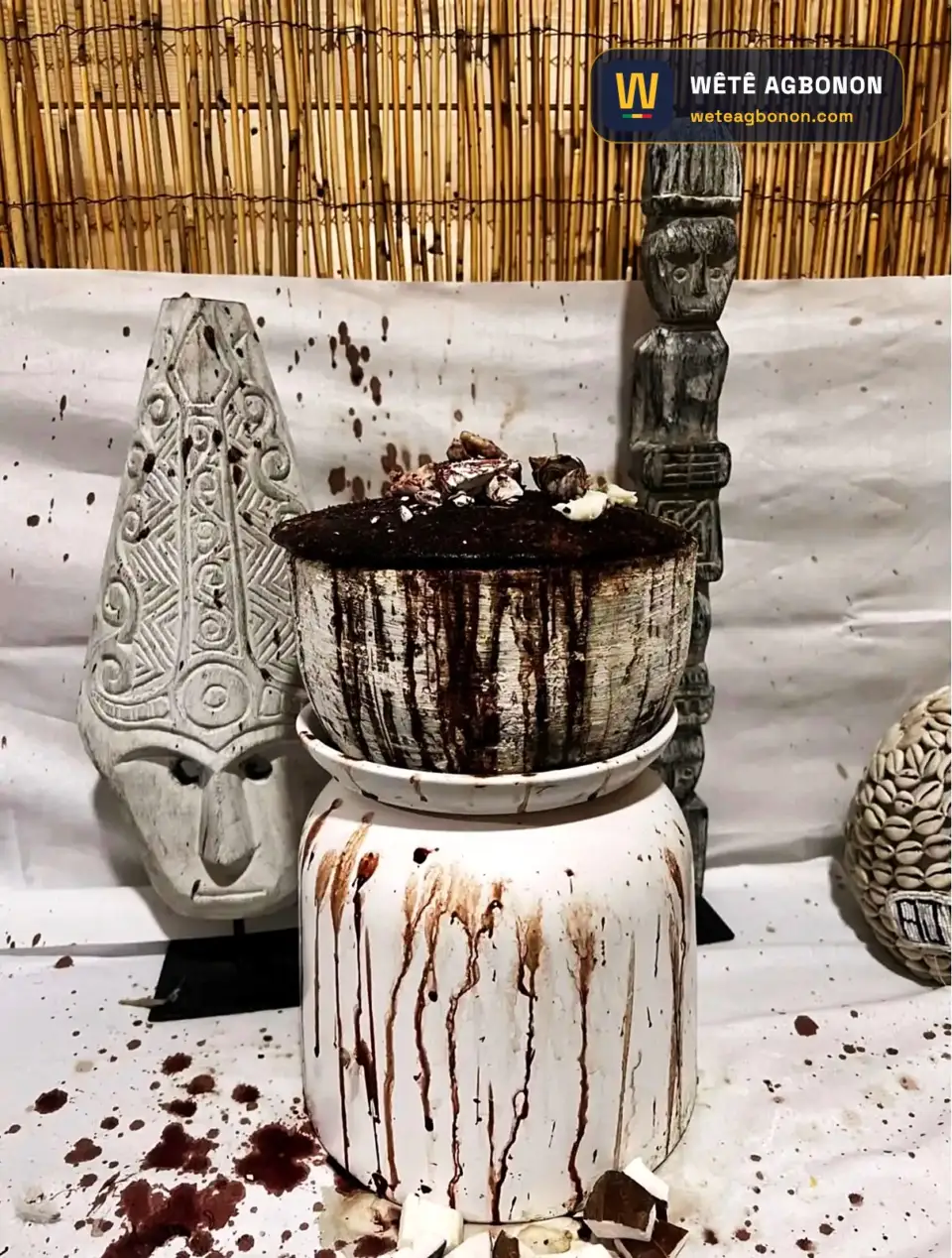
Some requests come from couples who are doing well and want to stay that way: a wedding approaching, a first home, in-laws who never accepted the match. Here the work protects what already exists. When the Fâ agrees, prayers ask the spirits to guard the union, calm hostile relatives and keep envy away from the household. When a family is the danger, the Fâ may also ask for a gesture toward the elders or the ancestors, because in the voodoo tradition a family’s blessing is itself a protection.
Nothing in it ties anyone against their will. Both partners want the marriage, and the temple adds its prayers to theirs.
A binding love spell for a long-distance couple
Distance wears love down in its own way: missed calls, time zones, a daily life the other no longer shares. Couples separated by an ocean often ask for a binding love spell to keep the bond from fading. The Fâ looks at whether distance is the only threat, or whether a third person or a family is taking advantage of it.
The prayers can protect the bond, and a plan protects it too: a date for the next visit, a decision about where to live, regular time together, even by video. When the reading sees no future in the arrangement, he says so, and that answer can spare years of waiting.
Binding after infidelity
After an affair, the partner who stayed sometimes wants to bind the one who strayed, so that it never happens again. The temple will not chain anyone, but when both want to rebuild, the work can protect the couple while trust is repaired. That repair belongs to the two of them: the whole truth, time, and consistent behaviour, week after week. The prayers support that effort and leave it in their hands. Where the affair has not truly ended, the reading usually says so, and rebuilding has to wait.
How long does a binding love spell last?
No honest priest sells a love locked forever. A bond lasts because two people keep it alive; the spirits protect it, they do not replace the couple. When the Fâ asks for a protection for a couple, Wêtê Agbonon explains how long it holds and when it should be renewed, if ever. Promises of eternal binding belong to sales pages, not to temples.
Can a binding spell be broken?
People who believe they have been bound against their will often write to the temple in distress. The Fâ consultation shows what is really happening: sometimes a charge exists and can be lifted; often, the feeling comes from the pain of a relationship that is ending. Either way, you are not trapped. A charge can be lifted at the temple, and a heart can heal.
7 questions to ask before ordering a binding love spell
Ask these questions in writing, to him or to anyone else, and keep the answers:
- “Will you examine the situation before accepting?”
- “Will you bind someone who does not love me?”
- “Who does the work, and where?”
- “Will the cost be on paper, and fixed?”
- “Do you promise success, and a date?”
- “What do you need from me?”
- “What happens if I stop?”
Wêtê Agbonon’s answers: yes, through a Fâ reading that costs nothing; never; he does, himself, at Sakété; yes, a quote that stays as written; no, only the duration the sign gives; the two identities and photographs, nothing else; nothing at all, and no threat.
After the work: keeping the bond strong
When the work is done and the bond holds, the first months still matter. Old fears can return, families can interfere again, and the same causes can produce the same effects. When the Fâ shows it, Wêtê Agbonon indicates what protects the couple from then on: an attitude to keep, a promise to honour, sometimes a protection prepared at the temple. He stays reachable after the work, and many couples consult the Fâ again, for free, before the big steps of their life together.
Ordering a binding love spell from abroad
Couples who ask him for a binding love spell usually write from far away, and the work is the same: reading and prayers happen at Sakété, and what you confide stays with him. To verify him, there is a report by France 24, the list of accounts that are really his and testimonies filmed with his clients. Love rituals in general are described in voodoo love spells, and a message through his form reaches him directly.
Questions
Binding love spell: what people ask
What is a binding love spell?
In popular magic, work meant to tie two people together. At the Sakété temple, it is accepted only to protect and strengthen a bond the Fâ shows to be shared.
Will he bind someone who does not love me?
No. He never binds a person against their will. If the Fâ shows the love is one-sided, he refuses and tells you why.
Do binding love spells work?
No honest priest can guarantee it. If the love is mutual and the danger external, it can shield and reinforce the couple; the reading tells you whether that applies.
How long does a binding love spell last?
No bond is locked forever. When the Fâ asks for a protection for a couple, he explains how long it holds and when to renew it.
Is a binding spell dangerous?
Coercive binding spells harm mostly the person who orders them. At the temple, binding never forces anyone and never harms a third person.
I think someone bound me. What can I do?
Ask for a Fâ consultation. It shows whether a charge exists; if so, it can be lifted at the temple.
Is a voodoo binding love spell different from a Hoodoo one?
Yes. Hoodoo binding spells are often home rituals with candles and personal items. At a voodoo temple in Benin, the Fâ is consulted first and the work is done on the altars by the priest.
Write to him
He answers himself, within two hours
The first exchange is free and confidential. You set out your situation, he consults the Fâ, then you decide freely.