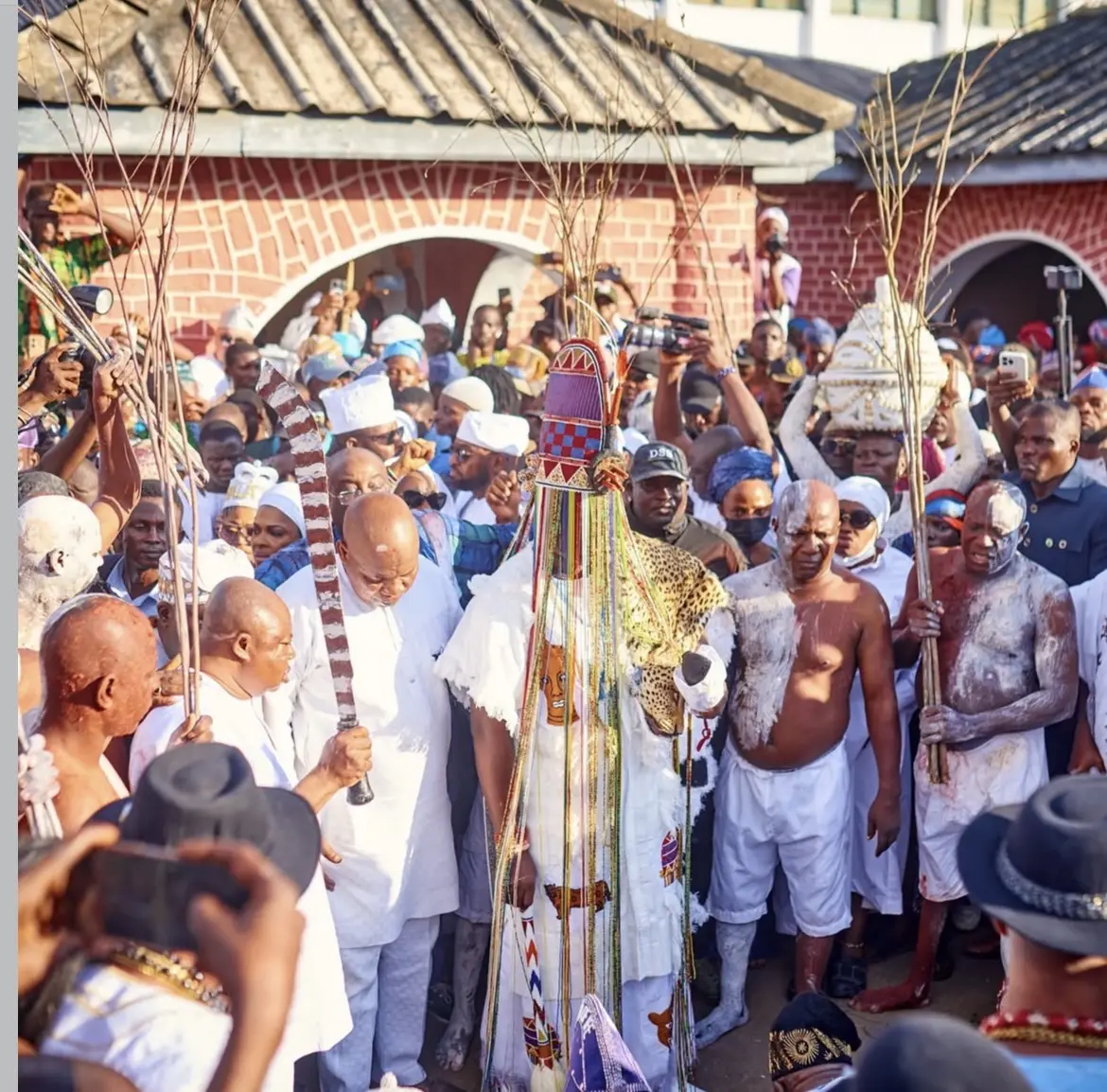
Reconciliation spell · Sakété temple
Reconciliation spell: how a voodoo priest from Benin helps two people make peace
A reconciliation spell is asked for when two people who matter to each other can no longer speak: a couple after a fight, a family torn apart, friends or partners divided. From his temple in Sakété, Benin, Wêtê Agbonon begins with a free Fâ reading: can peace return, and what is blocking it?
Filmed testimony
“I was skeptical at first, but I’m honestly so grateful I gave it a chance.”
A client, face shown, in her own words
Before any ritual
Reconciliation spell: first, see whether peace is possible
Peace between two people starts, at the Sakété temple, with a question put to the Fâ: who carries the deeper wound, does each side still want peace, and is something feeding the quarrel from outside, a person, a charge, a debt toward the ancestors? Wêtê Agbonon reads the sign before proposing anything.
When the sign shows that reconciliation is within reach, he explains the offerings and prayers it asks for and quotes them in writing; the work begins once that quote is settled. When it shows that the time has not come, he says so, and tells you what may prepare it.
The consultation, step by step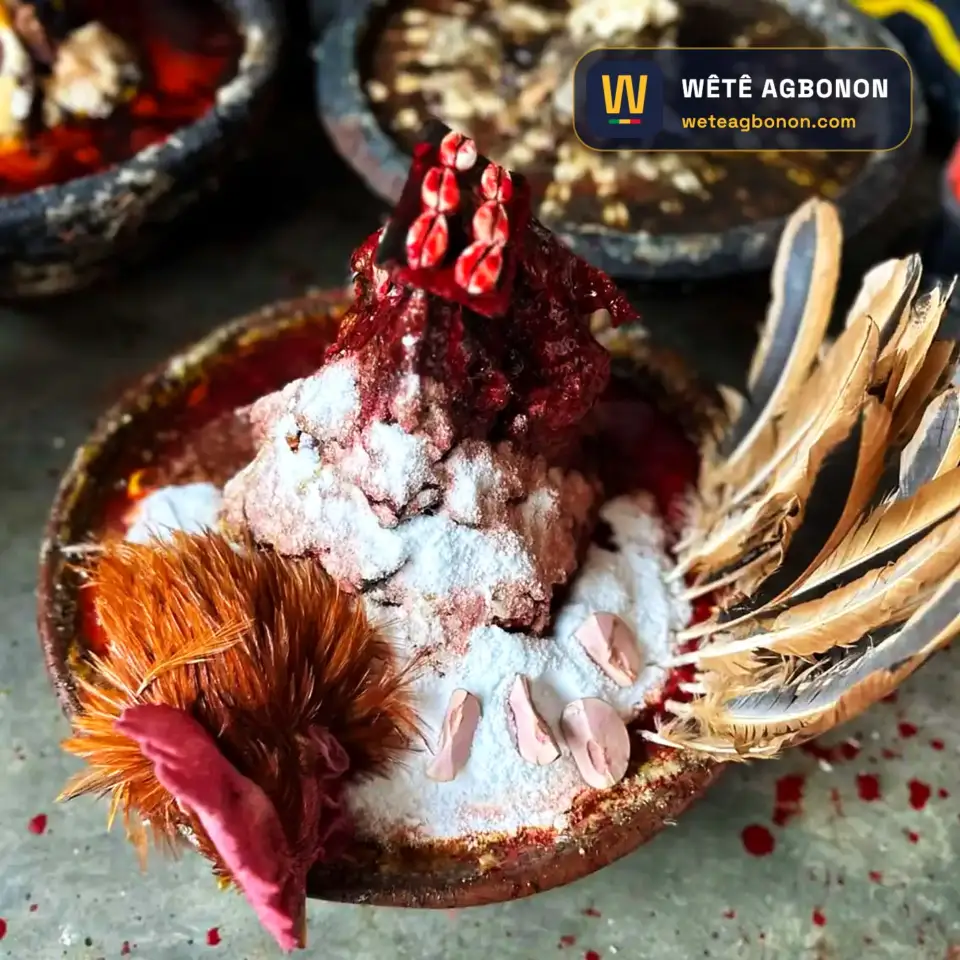
What a reconciliation spell is
A reconciliation spell is spiritual work asked for so that two people in conflict find their way back to each other. Online, the term is mostly attached to couples, often sold as a variant of the love spell. In the voodoo of Benin, reconciliation is a much wider matter: families, villages and partners have always turned to the spirits and the ancestors when a quarrel would not heal by words alone.
At the Sakété temple, a reconciliation spell is a request examined by the Fâ, which shows the nature of the wound and the way to close it, then a work carried out on the altars by the priest who received that charge from his lineage.
The quarrels that reach the temple
The requests for reconciliation that Wêtê Agbonon receives fall into four families:
- Couples: a fight that turned into silence, a breakup after an infidelity, a separation neither really wanted.
- Families: brothers and sisters divided by an inheritance, parents and children who no longer speak, in-laws at war.
- Friends: a friendship of many years broken by a word, a betrayal or a misunderstanding.
- Partners: associates in a business who fell out, colleagues whose conflict blocks everyone.
Each of these quarrels has its own history, and the Fâ reads them one by one. A brother who feels cheated in an inheritance does not need the same work as a partner who feels betrayed in love.
What the Fâ looks at first
A Fâ consultation for reconciliation answers several questions at once. Who carries the deepest wound, and what caused it? Do both people still want peace, even if they do not say it? Is there an outside influence, a person who feeds the conflict, a charge placed to divide? Is there a debt toward the ancestors, a promise not kept, a family gesture forgotten? The answers decide whether a reconciliation spell makes sense, and what it should address.
Sometimes the Fâ shows that one gesture from the person asking, an apology, a visit, a restitution, matters more than any offering. Wêtê Agbonon tells you so plainly. A reconciliation that begins with your own step tends to hold better than one expected entirely from the altars.
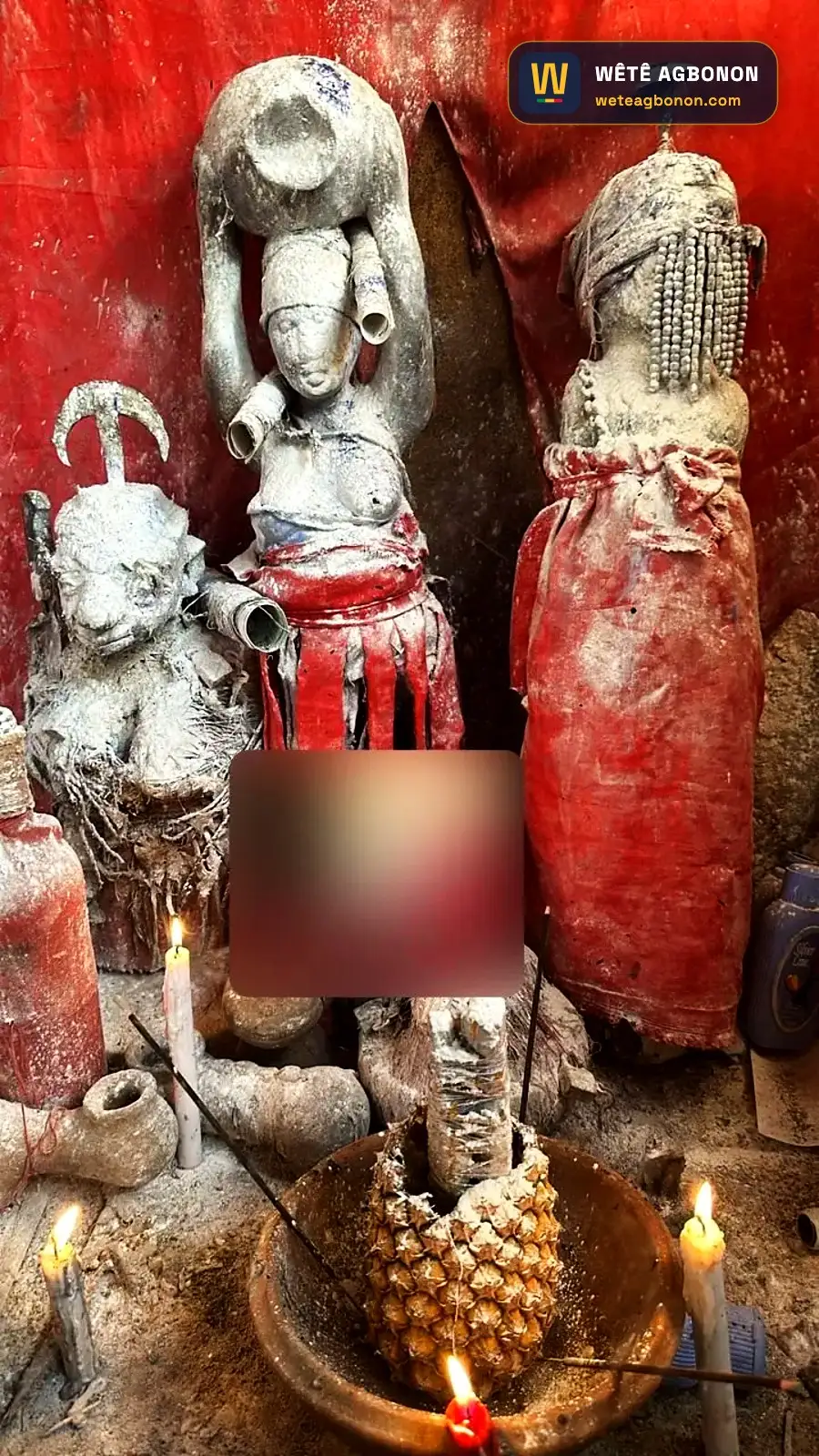
A reconciliation spell for lovers
Most reconciliation spells requested online concern couples: after a fight that went too far, after an infidelity, after a breakup decided in anger. When the Fâ shows that the attachment remains on both sides, the work asks the spirits to soften the anger, lift what blocks communication, and reopen a path between the two. It never forces a free will, and it never harms a third person.
For a couple that has already separated, reconciliation and the return of a partner overlap. The love rituals themselves are set out under voodoo love spells, and the reading decides which of the two paths suits you.
Reconciliation within a family
Family quarrels are often older and deeper than love quarrels. An inheritance shared badly, a marriage that a family refused, words spoken at a funeral: such wounds can last for years and pass to the next generation. In the voodoo tradition, they are rarely only between the living. The Fâ often shows that the ancestors must be honoured, or that a family promise must be fulfilled, before the living can speak to each other again.
The work then involves prayers and offerings at the temple, and sometimes a gesture the family must make together. Wêtê Agbonon explains each step, and what depends on the family itself.
Reconciliation between friends and partners
Not every quarrel brought to the temple is about love or family. A friendship of twenty years can break over a single sentence; two associates can fall out over money and drag their employees into the conflict. These ruptures hurt too, and they often weigh on everything else: work, health, sleep. The Fâ reads them the same way, looking for the wound, the obstacle, and what each person can do.
For partners in a business, the Fâ sometimes shows that the association itself must end, cleanly and without hatred. Wêtê Agbonon tells you so. A reconciliation spell aims at peace, and peace does not always mean going back to the way things were.
Reconciliation spell or love spell: the difference
A love spell asks for love to grow or return. A reconciliation spell asks for a conflict to end. The two can meet, when lovers quarrel, but they are not the same request. Someone who wants a partner back after months of silence needs a reading about the bond; someone who wants peace with a brother needs a reading about the wound. Naming your request correctly helps the Fâ answer it.
When a reconciliation spell has a real chance
Over the years, the temple has seen a reconciliation spell bear fruit under three conditions: the tie was genuine and both still care about it; what keeps the quarrel alive is pride, fear, a misunderstanding or someone else’s influence; and one of the two is willing to move first. In these cases, those who write to him afterwards describe a first call after years of silence, a family meal that becomes possible again, a partner who agrees to talk.
He guarantees none of it. What you receive is what the Fâ showed, and the time it gave.
When the Fâ says peace is not possible yet
The Fâ may show that the wound is still too fresh, that one of the two needs distance to heal, or that the relationship was harmful and should not resume. It may also show that what the person asking wants is control over the other. In all these cases, Wêtê Agbonon refuses the work and tells you why. When reconciliation is not possible yet, he often tells you what will prepare it, and when to ask again.
What you can do while the work is under way
A reconciliation spell does not ask you to wait in silence. The Fâ often gives instructions, and experience adds a few:
- Stop the hostilities on your side: no reproaches, no comments to common friends, no public posts.
- Acknowledge your share, even small, without demanding the same from the other.
- Reopen the door once, calmly, then leave room for an answer.
- Listen more than you explain when the conversation finally happens.
- Keep Wêtê Agbonon informed of what changes, even small things.
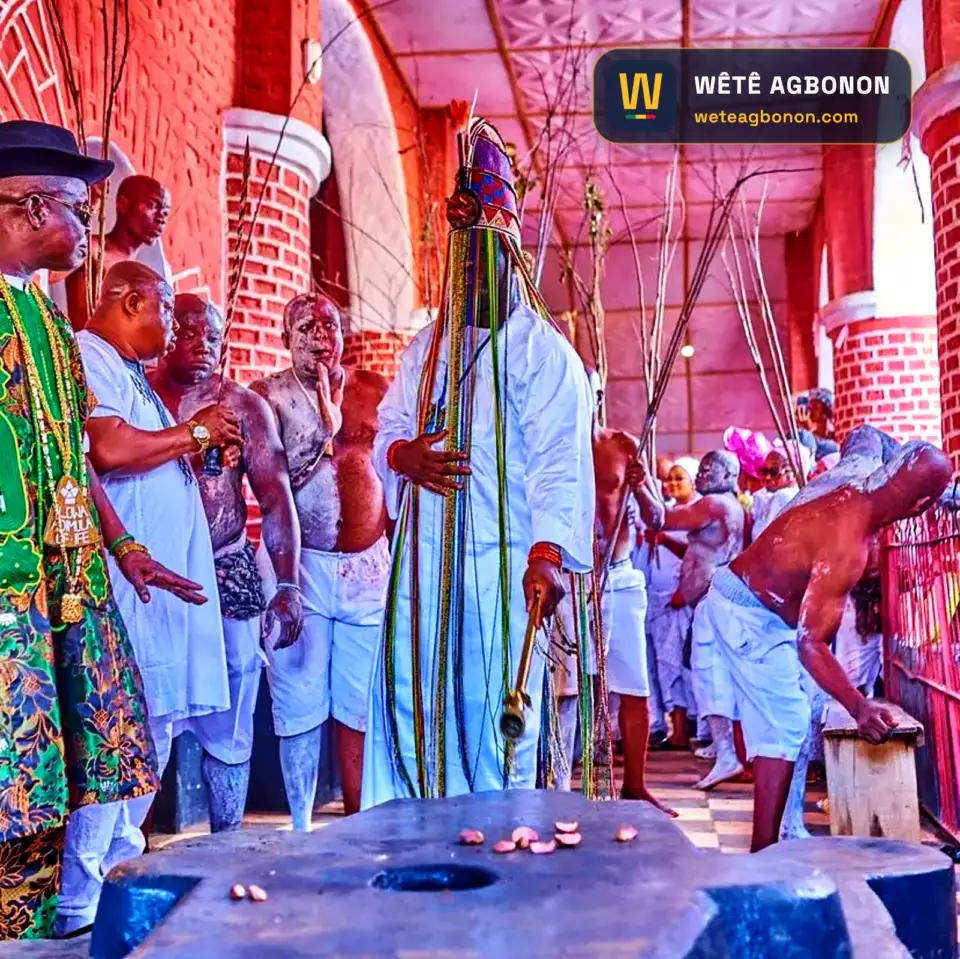
Why some reconciliation spells fail
Those who write to the temple after a failed reconciliation spell bought elsewhere often describe the same causes. The situation was never examined, so the work addressed the wrong problem. The caster promised a result in days, and the person, waiting, did nothing on their side. Several casters worked on the same conflict at once. Or the request was really a wish for control, dressed up as peace.
At the Sakété temple, the Fâ consultation removes most of these causes before they arise: it names the real wound, says what depends on you, and refuses the requests that would not lead to peace. A reconciliation spell built on that reading has a much better chance than one bought from a menu.
Signs that reconciliation is beginning
Reconciliation rarely arrives all at once. Watch for small signs, and report them to Wêtê Agbonon:
- A reply to a message you thought would be ignored.
- A softer tone, or a question about how you are doing.
- News asked through a common friend or relative.
- An invitation to a family event, or acceptance of yours.
- A dream shared, or a memory brought up with warmth.
Each of these is a door left ajar. Walk through it slowly, without forcing, and let the other person take part of the steps.
When only one side wants peace
Often only one person writes to the temple, and the other has no idea. That is normal. The work asks the spirits to lift what blocks the way and to soften what has hardened; the choice to call stays with the other person. If the other side still refuses, the reading may advise patience, a different approach, or simply letting go for a while.
Respecting a refusal is part of reconciliation. Pressure, ultimatums and messages passed through relatives push people further away, whatever is done on the altars.
Reconciliation with a parent or an adult child
Some of the most painful silences run between generations: a father who disowned a son, a daughter who cut contact after a marriage the family opposed, a mother and child who stopped speaking after a funeral. The Fâ often looks at the ancestors in these cases, because a family quarrel rarely starts with the people who carry it today.
The work can open a door, and the first step usually comes from the person who writes. A letter, a short visit, an invitation to a family event: the reading may suggest which one, and when.
Reconciliation after years of silence
When years have passed, the person you want to reach has changed, and so have you. A first message should acknowledge that time, ask for nothing, and leave room for a life you know nothing about anymore: a new partner, children, other priorities. The Fâ can tell you whether the moment has come; the tone of that first contact is yours to set. If the reply is cold, or never comes, that is information too: it shows where the other person stands today, and the reading can help you decide whether to try again later or to let go.
Mediators and counsellors alongside the work
Family mediators, couples counsellors and therapists help people say what they could not say alone, and their work fits well with what the temple does. When the reading shows that a conflict needs a neutral third party in the room, Wêtê Agbonon says so. The spiritual work clears the way, and the conversation still has to happen between the two people concerned.
How long does a reconciliation take?
There is no fixed time. A quarrel of a few weeks can soften quickly; a family rift of many years usually needs more patience. Every reading also yields a duration, and you hear it exactly as it came out, never shortened to soothe you. The first signs are often modest: a reply, a softer tone, news asked through someone else.
Reconciliation after a betrayal
When the quarrel follows a betrayal, infidelity, theft, a broken promise, reconciliation needs truth before it needs ritual. The person who betrayed must own it; the person betrayed must decide whether they can forgive. The Fâ often shows that this conversation has to happen, and the work at the temple then supports it. Wêtê Agbonon says so plainly.
Reconciliation and the ancestors
In many families of Benin, a lasting quarrel is read as a sign that something is owed to the ancestors: a funeral rite left unfinished, a promise made by a parent and never kept, a family altar neglected. When the Fâ shows such a debt, the reconciliation spell begins there, with prayers and offerings that honour those who came before. Relatives living far from Benin often say they did not expect an offering to the ancestors to soften the way the living talk to one another. Wêtê Agbonon explains each step, and what the family itself must do, so that the peace that returns rests on solid ground.
A first message to reopen the door
When the Fâ shows that the moment is right, a short message often does more than a long letter. Keep it simple, without blame and without conditions: “I have been thinking about us, and I regret how things ended. If you are ever ready to talk, I would like that.” Then wait, and do not insist. Peace is rarely made in one exchange.
Asking for a reconciliation spell from far away
A quarrel rarely respects borders: one sibling abroad and the other at home, or a couple living in two countries. Nobody needs to travel. Both names are given to the Fâ at Sakété, the prayers follow there, and what you share stays between you and him. His identity can be checked through France 24, the accounts he actually uses and clients who testify on camera. A note sent through his contact form gets an answer from him, in English.
Questions
Reconciliation spell: what people ask
What is a reconciliation spell?
Spiritual work asked for so that two people in conflict find their way back to each other. At the Sakété temple, it always begins with a free Fâ consultation.
Does a reconciliation spell work?
No honest priest can guarantee it. When both still value the tie and the conflict is kept alive by pride, fear or outside pressure, yes; your reading tells you whether that describes you.
Can a reconciliation spell bring back my partner?
When the Fâ shows the attachment remains, the work can soften anger and reopen communication. It never forces a free will.
Can it heal a family conflict?
Yes, it is one of its oldest uses in Benin. The Fâ often shows a gesture toward the ancestors or within the family that must come first.
How long does a reconciliation take?
There is no fixed time. The reading sets it, case by case, and he reports it unchanged.
What if the other person was violent?
He refuses the work and tells you to protect yourself first. Reconciliation is never asked of someone in danger.
What if the Fâ says no?
You are told so, without charge, along with what may prepare peace and when it makes sense to ask again.
Why do some reconciliation spells fail?
Most often because the situation was never examined, several casters worked at once, or nothing changed on the side of the person asking. The Fâ consultation addresses these causes first.

Write to him
He answers himself, within two hours
The first exchange is free and confidential. You set out your situation, he consults the Fâ, then you decide freely.