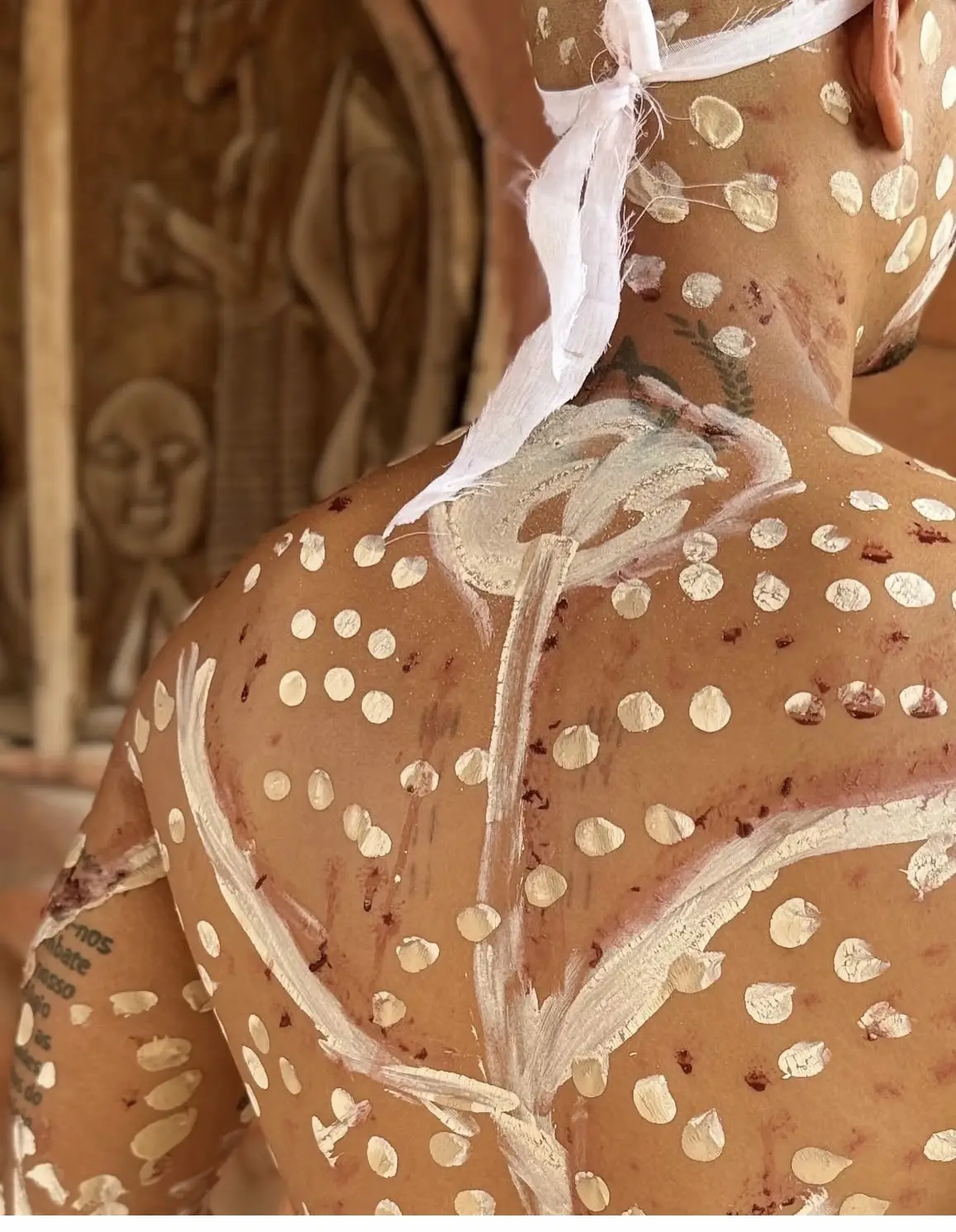
Spiritual cleansing · Sakété temple
Spiritual cleansing: what the Fâ shows, and how cleansing is done at a voodoo temple
People ask for a spiritual cleansing when they feel weighed down: bad luck that will not lift, a heaviness after a conflict or a loss, a sense that something follows them. At Sakété, in Benin, Wêtê Agbonon names the weight before touching it: a free Fâ reading first, then, if needed, the temple’s own way of cleansing and protecting.
Filmed testimony
“I was skeptical at first, but I’m honestly so grateful I gave it a chance.”
A client, face shown, in her own words
Naming the weight
Spiritual cleansing: first, find out what weighs on you
People reach for a cleansing when something feels wrong without a name. At the Sakété temple, the name comes first: Wêtê Agbonon casts the opèlè to see whether a charge, a jealousy, an impurity after a death, or simple exhaustion weighs on you. Each calls for a different answer, and some call for none.
If the sign asks for a cleansing, he describes it, the offerings, the prayer, sometimes a bath at the river, and quotes it in writing before it begins. If the sign shows nothing to cleanse, the free reading is where it ends.
How a protection is prepared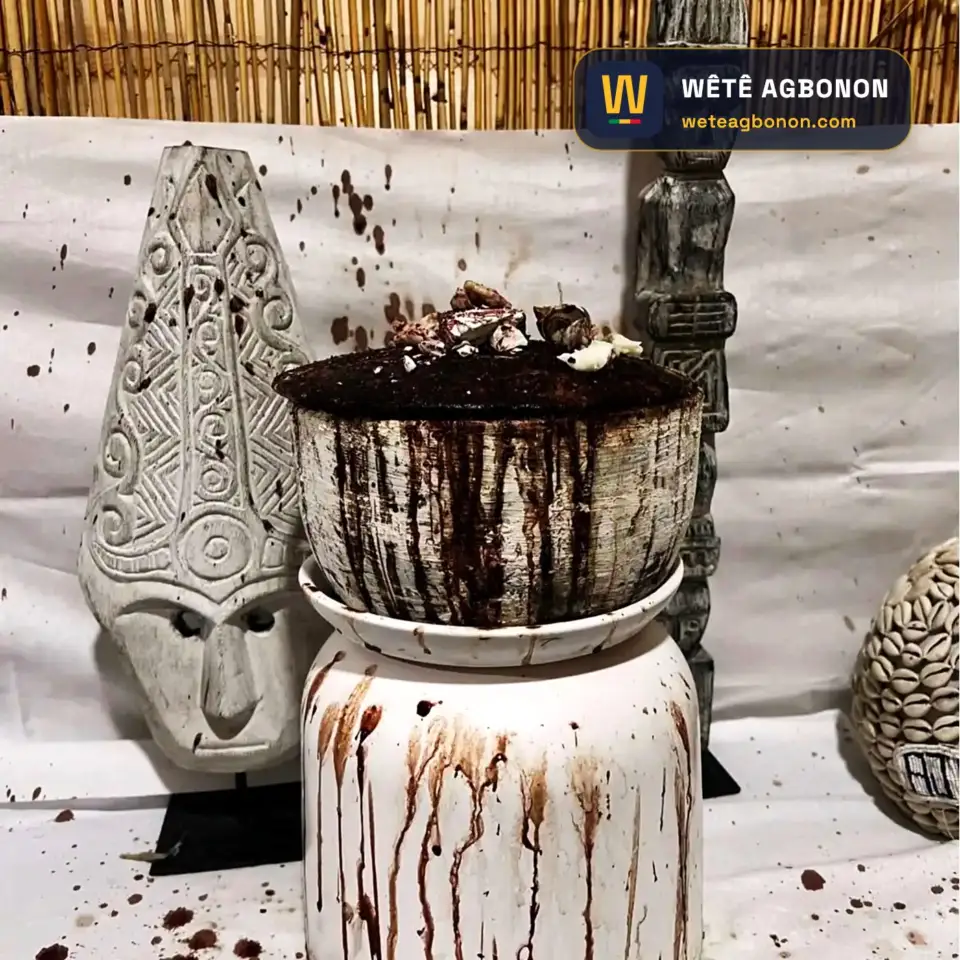
What spiritual cleansing means
A spiritual cleansing is a ritual meant to remove what weighs on a person, a family or a home: negative energy, a charge placed by someone, the residue of a conflict, a death, a bad period. Almost every tradition has one. Some burn herbs, some wash with salt water, some pray over the person, some immerse them in a river. Online, spiritual cleansing has become a product, sold as baths, kits and remote sessions, often without anyone asking what the person actually needs.
In the voodoo of Benin, cleansing is part of a larger order. The Fâ shows what is wrong; the priest prays to the spirit that the Fâ designates; the offerings and, when asked, the ritual bath remove what weighs; then protection keeps it from returning. A spiritual cleansing chosen without the Fâ is a gesture made in the dark.
What people feel before they ask
Requests for a spiritual cleansing tend to start with a familiar list. None of them proves anything on its own, and several have ordinary causes that should be ruled out first:
- Bad luck that repeats: failed projects, lost jobs, money that slips away.
- A heaviness or fatigue that sleep does not relieve.
- Arguments and tension at home that started without a clear reason.
- Repeated nightmares or a feeling of being watched.
- A sense that things went wrong after a specific event: a conflict, a visit, a gift, a funeral.
- Doors that close just before something good happens.
Lasting exhaustion, new pain or broken sleep belong with a doctor first. He tells every person who writes the same thing: medicine and ritual never stand in each other’s way.
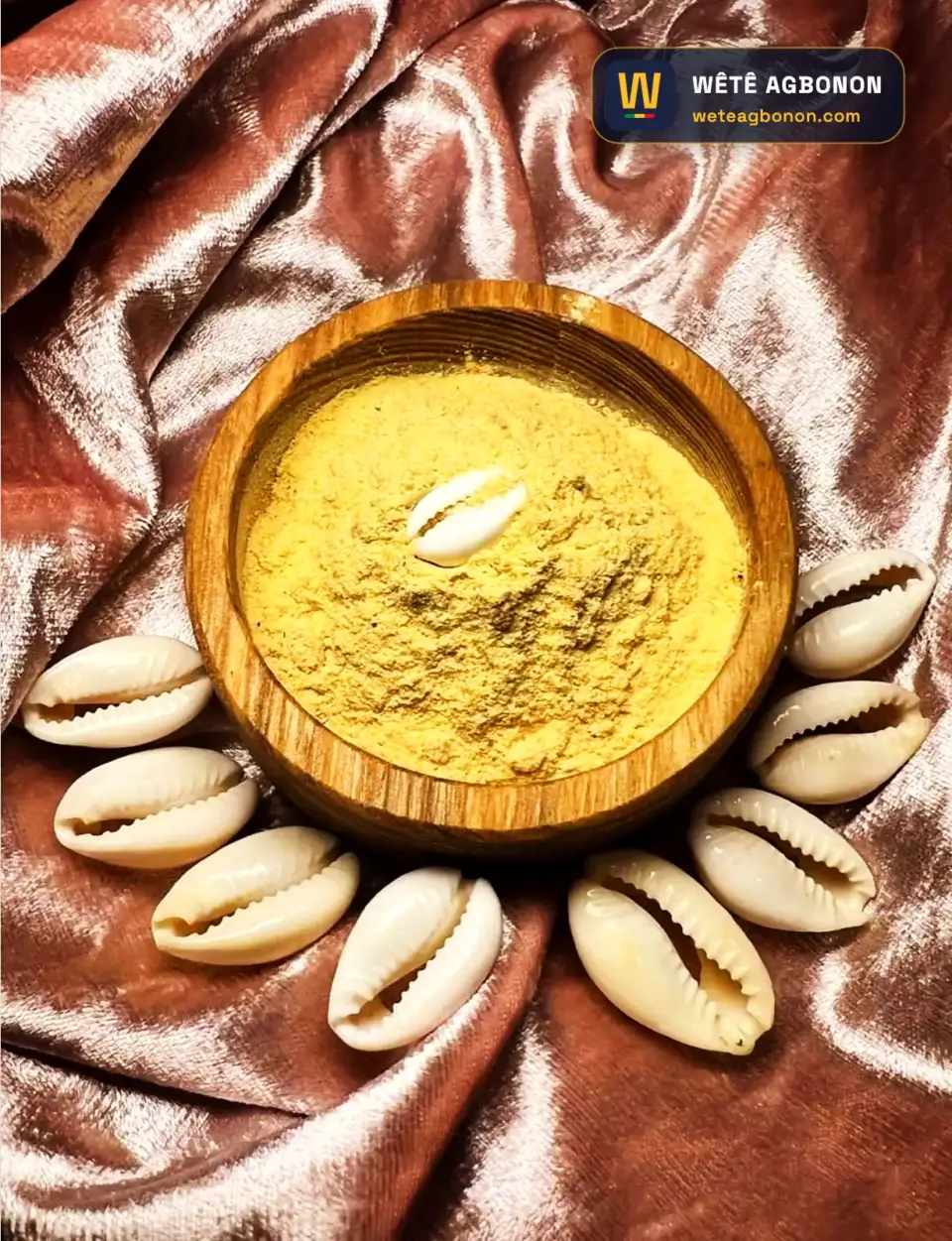
What the Fâ distinguishes
Seen from outside, many burdens look identical; the reading tells them apart. Someone’s deliberate working, envy that weighs without anyone meaning it, the shadow a death leaves behind: three different things, and three different answers. A spiritual cleansing that would lift a curse would not help a person who simply needs rest, and the reverse is true. Just as often, the sign finds nothing spiritual at all.
When it does show something, it says what kind of cleansing is needed, which spirit must be prayed to, what offerings it asks for, and whether a ritual bath or a vigil should accompany the work. It also says what will protect you afterwards.
How a spiritual cleansing is done at the temple
At the Sakété temple, a spiritual cleansing follows the order the Fâ gives. The offerings are prepared at Sakété and the prayers said before the spirit the Fâ named, with your name spoken at the altar. When the Fâ asks for it, a ritual bath is given at the river, where water carries away what weighs, or a vigil is held at the temple. The gestures and words belong to the tradition and are not published; what matters for you is that each step is decided by the Fâ, not chosen from a menu.
Most clients follow the cleansing from home. Those who wish can come to the temple and receive the ritual bath in person, by appointment.
Why water matters in a voodoo cleansing
In Benin, rivers, lagoons and springs are not only places; many are sacred, and some are the dwelling of spirits. Water receives what a person leaves behind, carries it away and does not bring it back. That is why the ritual bath at the river holds such a place in voodoo cleansing. When the Fâ asks for it, the bath marks the moment when the weight is set down, after the prayers and offerings have opened the way.
Spiritual cleansing after a death or a funeral
Many requests follow a bereavement. In the voodoo tradition, a death touches the whole family, and the rites around it matter for the living as much as for the departed. When a funeral was rushed, when a rite was left unfinished, or when conflicts broke out around an inheritance, the Fâ may show that a cleansing is needed, sometimes together with a gesture toward the ancestors. Wêtê Agbonon explains what the family can do, and what is done at the temple.
Spiritual cleansing after a breakup or a betrayal
A painful breakup, a betrayal by a friend or a business partner can leave a person feeling soiled and unable to move on. Sometimes the Fâ shows that something was placed during the relationship; more often, it shows a wound that needs time and support. In the first case, a spiritual cleansing lifts what weighs; in the second, Wêtê Agbonon says so, and the advice of the Fâ matters more than any ritual.
Spiritual cleansing for a home
A house can feel heavy too: arguments that break out as soon as people come home, sleep that is never restful, a business that empties without explanation. A house can carry a burden, or its occupants can; the reading says which. When the place is concerned, the work at the temple can be followed by a protection for the home, explained step by step.
Cleansing objects and gifts
Sometimes the worry is attached to a thing: jewellery from a former partner, a gift from a relative you no longer trust, an object found in the house. People ask whether it carries something. The Fâ can say whether an object matters at all; often it does not, and the fear is the real burden.
When the reading does point to an object, he explains what to do with it. Do not burn, bury or throw away something that worries you on the advice of a stranger online; wait for a reading.
Cleansing a shop or a business
Shopkeepers and business owners ask for a cleansing when customers stop coming, deals collapse one after another, or staff quarrel without reason. The Fâ separates a real spiritual weight from a market that changed, a location that no longer works, or a partner who is not honest. Where it finds a weight, the cleansing and a protection are done at the temple, under the name of the business and its owner.
Where it finds none, the advice turns practical, and the most useful thing he can tell you may be to check your accounts.
Spiritual cleansing baths and home rituals
Salt baths, herbal baths, lemon, eggs passed over the body, sage or incense: home cleansing rituals are everywhere, and many families pass them on with love. They can soothe. He publishes no home recipe, since nobody can tell, without a reading, what weighs on you or whether a bath would even be the right answer. A ritual chosen at random can make you lose weeks while the real cause remains untouched.
Some of these practices also belong to other traditions, with their own rules and meanings. Burning white sage, for instance, comes from Indigenous traditions of North America. A voodoo priest from Benin works with what his own tradition teaches.
Spiritual cleansing before a new start
Some people ask for a cleansing when nothing is wrong yet: before moving into a new home, opening a business, getting married or starting a new job. They want to begin without carrying the weight of what came before. The Fâ tells whether a cleansing is needed, or whether an offering of thanks, or a protection for what is beginning, would serve better.
A fresh start also asks for practical choices: settling old debts, ending a conflict cleanly, leaving behind habits that kept you stuck. The ritual marks the threshold, and crossing it is up to you.
How often should you get a spiritual cleansing?
There is no fixed rhythm. Some people need one cleansing after a specific event and never again. Others live in an environment full of jealousy or conflict and benefit from regular protection. The Fâ answers that question for you. A practitioner who sells you a monthly cleansing subscription without consulting anything is selling a habit, not a remedy.
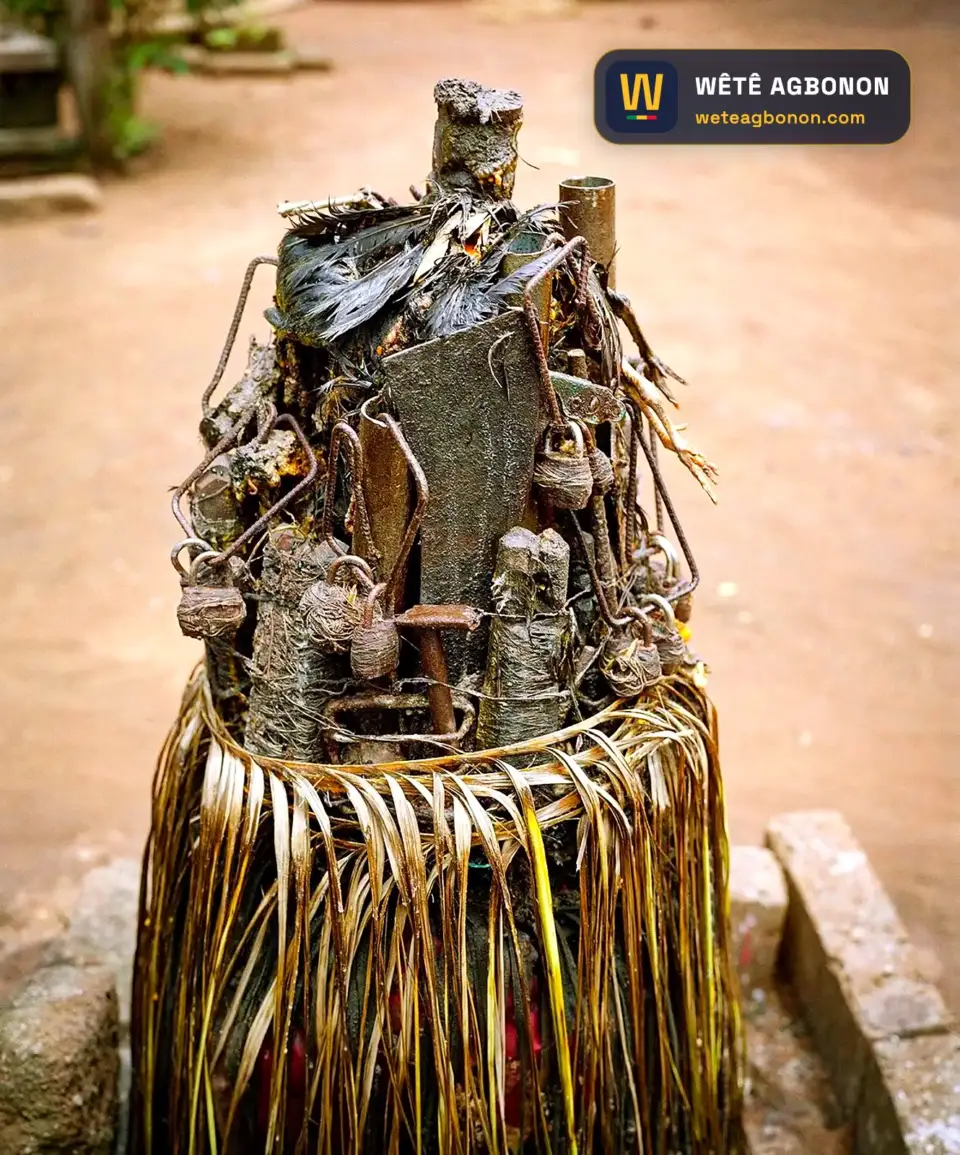
What a spiritual cleansing costs
The reading that decides whether you need a cleansing is free. If one is needed, its price depends on what the Fâ asks for: the offerings, the prayers, sometimes a river bath or a vigil. All of it is listed on a written quote before anything begins, and the amount does not change along the way.
Be wary of cleansing packages sold in tiers, from basic to premium, before anyone has looked at your situation. The right cleansing is the one your situation calls for, and sometimes the answer is that you need none.
Spiritual cleansing in other traditions
Almost every culture has its own way of cleansing a person. In Mexico and Central America, a curandero may pass an egg over the body in a limpia. Some Indigenous peoples of North America burn sacred herbs in smudging ceremonies. In India, families perform small rites to remove the evil eye, and many churches hold prayers of deliverance.
These practices belong to their own traditions and are best received from the people who carry them. At Sakété, cleansing follows the Fâ and the voodoo of Benin, the only tradition Wêtê Agbonon practises.
Questions to ask before any spiritual cleansing
Whoever you consult, ask these questions in writing and keep the answers. Will my situation be examined before a cleansing is proposed? Who carries it out, and in what place? Will I get the cost in writing, and is it final? What happens if nothing weighs on me? Will anyone be harmed or blamed? Wêtê Agbonon answers them the same way every time: yes, through a reading that costs nothing; he does, at Sakété itself; yes, and the quote stays as written; you are told so, and nothing is offered; never, and his readings name nobody.
Be wary of a practitioner who avoids these questions, or answers them with fear: what he is after is a sale.
What to expect after a spiritual cleansing
Those who write to him after a cleansing often describe a progressive relief: sleep that returns, a calmer home, projects that start moving again. He promises none of these outcomes. The Fâ often gives advice for the weeks that follow: to stay away from certain people or places for a while, to keep a protection, to honour a promise. Following it helps the cleansing hold.
Spiritual cleansing, curse removal and protection
A spiritual cleansing is one step in a larger work. When the Fâ shows a charge placed deliberately, the work becomes a curse removal. When it shows black magic, it follows what is described on black magic: signs and protection. When the threat is ongoing, a protection spell is prepared. The Fâ decides which of these you need, and in what order.
When a cleansing is not what you need
The Fâ regularly shows that no cleansing is needed. A run of bad luck may come from a decision to revisit, a partner who does not deserve trust, a job that no longer suits you. A heaviness may be grief, exhaustion or depression, which call for rest and care. In those cases, Wêtê Agbonon tells you plainly, and you leave with a reading and advice, without a quote. That honesty is the best guarantee that, when he does recommend a spiritual cleansing, it is because the Fâ asked for it.
How to recognise a serious practitioner
Whoever you hire for a spiritual cleansing, insist on four things: a look at your case before any fee, a cost that is written and stays put, no fear used as a sales tool, and a name you can verify. His own can be checked against the France 24 broadcast, his listed accounts and clients who speak on video.
A spiritual cleansing without travelling
Distance is the rule for those who ask him for a spiritual cleansing. The reading and the rite both happen at Sakété; you are named at the altar, and nothing you send leaves his hands. Write through the form on his contact page and he will answer you in English.
Questions
Spiritual cleansing: what people ask
What is a spiritual cleansing?
A ritual meant to remove what weighs on a person, a family or a home. At the Sakété temple, it is decided by the Fâ and carried out on the altars.
How do I know if I need a spiritual cleansing?
Signs like repeated bad luck or a heaviness after an event prove nothing alone. The free Fâ consultation shows whether something really weighs on you.
How is a spiritual cleansing done?
He prays at the altar of the spirit the Fâ designates and lays the offerings. Sometimes the reading adds a river bath or a night of vigil.
Do spiritual cleansing baths work?
Home baths can soothe, but without the Fâ nobody knows what you need. He does not give recipes to reproduce at home.
How often should I get a spiritual cleanse?
There is no fixed rhythm. The Fâ answers that question for you; beware of cleansing subscriptions sold without examination.
What should I feel after a spiritual cleansing?
People often describe progressive relief, but nothing is guaranteed. The Fâ gives advice for the weeks that follow.
Can my home be cleansed?
Yes, when the Fâ shows the weight is on the place. The work at the temple can be followed by a protection for the home.
Is a spiritual cleansing the same as curse removal?
Not always. A cleansing removes what weighs on a person; curse removal lifts a charge placed deliberately. The Fâ shows which one you need, and sometimes both, in a precise order.
Can a spiritual cleansing be done after a funeral?
Yes, when the Fâ asks for it. In Benin, the rites around a death matter for the living, and a cleansing may come with a gesture toward the ancestors.
Why is a river used in voodoo cleansing?
Water receives what a person leaves behind and carries it away. If a river bath is prescribed, it marks the moment the burden is left behind.
Write to him
He answers himself, within two hours
The first exchange is free and confidential. You set out your situation, he consults the Fâ, then you decide freely.