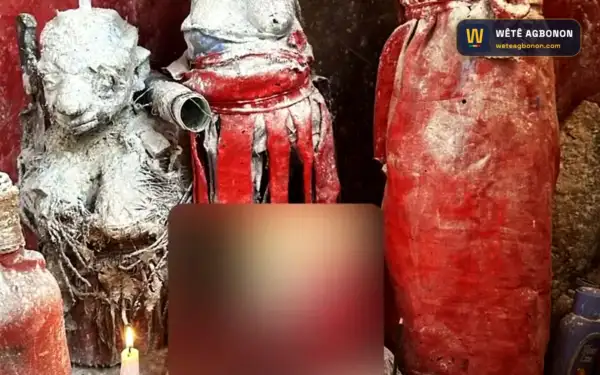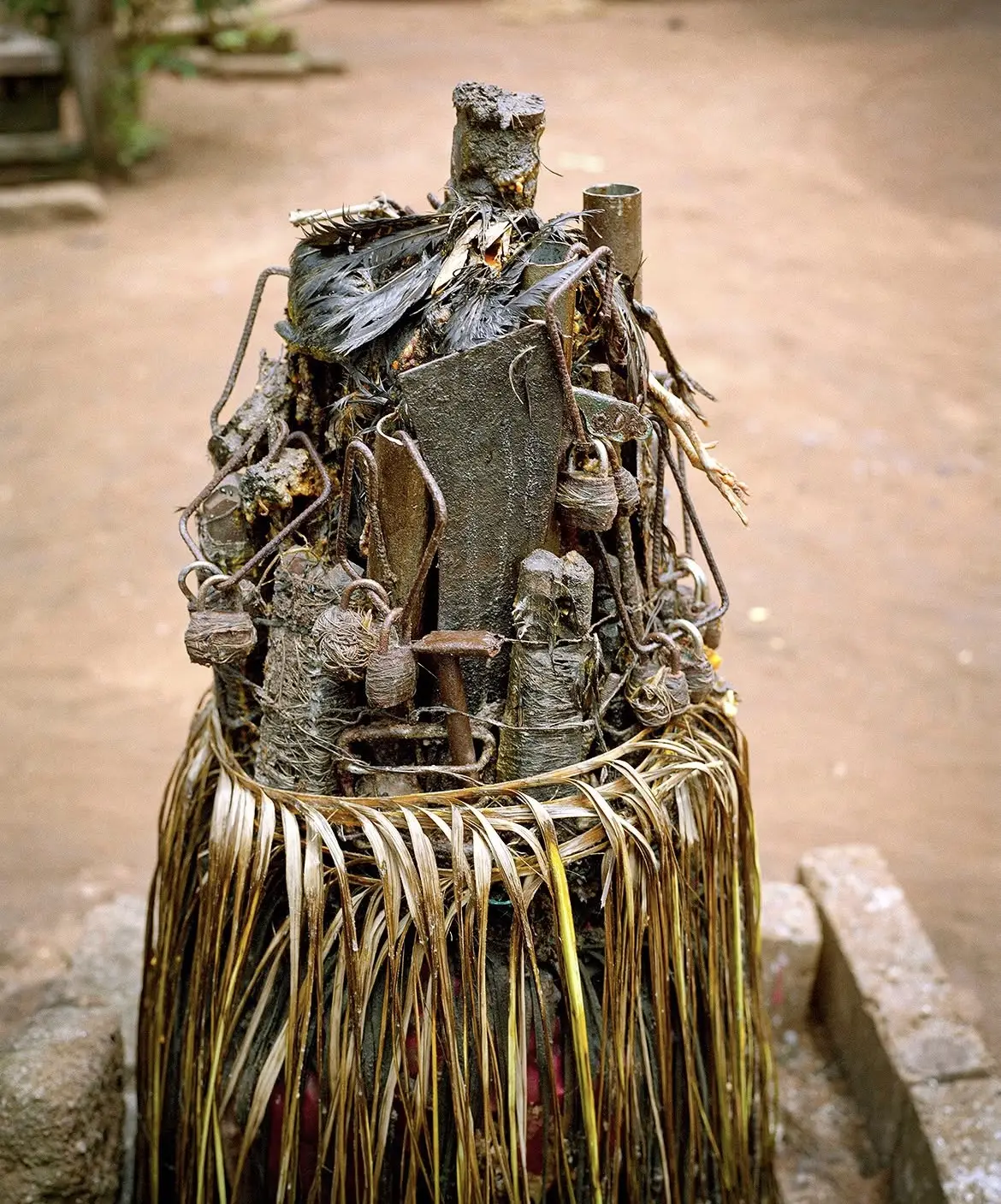
Bad luck · Sakété temple
How to get rid of bad luck: what a voodoo priest from Benin reads in a run of misfortune, and what lifts it
A job lost, then a car crash, then a breakup: when misfortune keeps coming, people want to get rid of bad luck for good. At the temple in Sakété, everything starts with a Fâ reading, offered without charge. It separates a hard season from a real blockage, and sorts the gestures that belong to the temple from the changes that belong to you.
Filmed testimony
“I was skeptical at first, but I’m honestly so grateful I gave it a chance.”
A client, face shown, in her own words
The Fâ first
Get rid of bad luck: what the Fâ examines first
Messages about bad luck often read like a list: a redundancy in March, a fine in April, a burglary in June, a parent in hospital in August. Wêtê Agbonon wants that list, dated as precisely as you can, along with your full name, your birth date and a portrait taken recently. He also asks what happened just before it began. Then the opèlè is cast in the temple courtyard.
The signs may point to a charge placed by someone envious, a taboo broken without knowing it, a debt to an ancestor, an offering promised to a vodun and forgotten. It may also show a demanding season with no hidden cause, and give advice for crossing it. The reading reaches you in writing and costs nothing.
What happens in a Fâ reading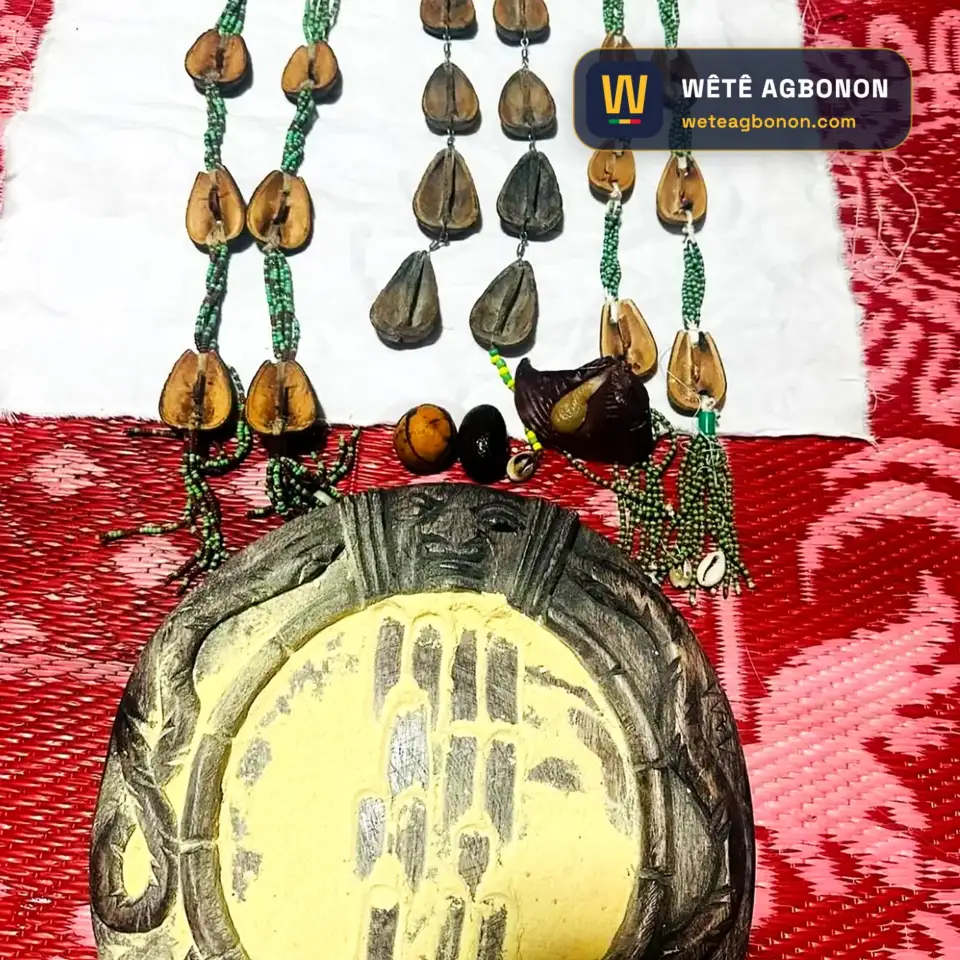
At a glance
Getting rid of bad luck in a few lines
- What people describe
- Losses, accidents, illnesses in the family, plans that collapse just before they succeed.
- What decides
- A free Fâ reading, which separates a hard season from a real blockage.
- What can be done
- Lifting a charge, appeasing an ancestor, honouring a promise, preparing a protection.
- What you can change
- Rest, order in your affairs, a doctor when health is touched, fewer rushed decisions.
- What he refuses
- Selling a ritual before reading, naming a culprit, promising a date.
What bad luck means around the world
Every culture has its ways of naming and removing bad luck. In Japan, certain ages, the yakudoshi, are considered unlucky, and many people visit a shrine for a purification rite that year. In Chinese tradition, a year that clashes with one’s zodiac sign calls for caution and offerings. Italians carry a small red horn, the cornicello, against misfortune; in Turkey, the blue nazar eye hangs at the door; in Mexico, a healer sweeps the body with an egg to draw misfortune out. In English, people knock on wood.
These customs share an intuition: misfortune can stick to a person, and something can be done to shake it off. The tradition of Benin shares it too, with one difference that matters. Before any gesture, the Fâ is asked whether the bad luck has a cause, and which one.
When bad luck has ordinary causes
Chance produces streaks. Toss a coin a hundred times and runs of six identical results will almost certainly appear; life is no different. When three difficult events follow each other, the mind looks for a link, and finds one. Psychologists call this the clustering illusion.
The British psychologist Richard Wiseman spent years studying people who described themselves as lucky or unlucky. In one experiment, he asked them to count the photographs in a newspaper; a large message on the second page gave the answer. The self-described lucky ones noticed it far more often. His conclusion was that anxiety narrows attention and makes people miss chances that others seize. Part of getting rid of bad luck, in his view, consists in loosening that grip.
Trying alone first
Most people try to get rid of bad luck on their own before writing to anyone. They read horoscopes, download apps that promise lucky days, buy crystals, follow cleansing routines found on social media. Some of these habits bring comfort and a sense of control, and there is nothing wrong with that. Others cost a great deal and feed the anxiety they claim to cure.
A simple rule helps: if a remedy asks you to keep paying, to keep checking, or to fear what happens if you stop, it is no longer helping. That is often the moment to ask for one clear reading, and to remove bad luck with a plan that rests on facts.
When you cannot get rid of bad luck
The tradition also knows bad luck that does not pass. A family where every generation repeats the same losses. A person whose plans fail at the last step, year after year, whatever they do. A household that sank after a quarrel, a funeral, a gift received from someone hostile. In these situations, the reading looks for a charge, an unhonoured ancestor, a broken taboo, a promise left unpaid.
Neither explanation is chosen in advance. The Fâ settles the question for your case, and Wêtê Agbonon transmits its answer without softening it.
Six patterns
6 kinds of bad luck people ask to get rid of
These patterns fill the messages of people who want to get rid of bad luck. The reading says, for each, whether something spiritual is at work.
Plans that fail at the last step
A contract cancelled the day before signing, a flat lost at the final visit.
Money that disappears
A windfall followed at once by a repair, a fine, a debt called in.
Accidents in a row
Falls, car damage, broken objects, small injuries, week after week.
Illness in the household
One family member after another falling ill, with no clear medical link.
Love that never lasts
Relationships that end the same way, at the same point, again and again.
A family pattern
Parents and children repeating the same losses, the same ruptures.
What the Fâ distinguishes
When the reading confirms a blockage, it states its nature. A charge placed after a success that someone resented. An ancestor neglected, who withdraws protection until the family returns to him. A taboo, the kind each person or lineage receives at birth or initiation, broken without realising it. A vow to a vodun, made when a favour was granted, and left unpaid.
When the reading shows no such cause, it says so, and its advice turns practical: a decision to take or to stop postponing, a relationship to leave, rest, a medical check-up. Wêtê Agbonon writes this second kind of answer as carefully as the first.
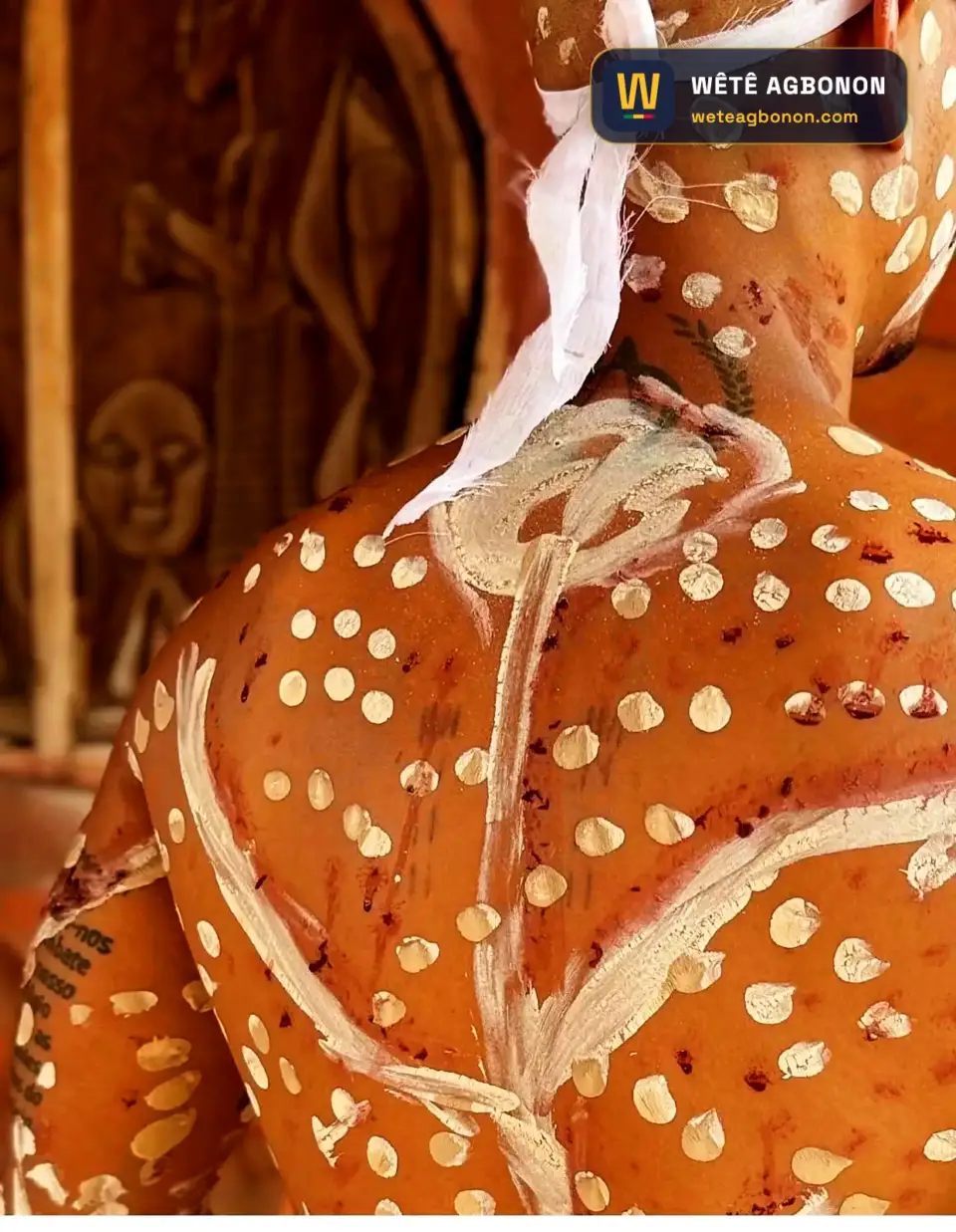
Lifting bad luck at Sakété
A work ordered by the Fâ is carried out by Wêtê Agbonon in person. Offerings are gathered as the sign specified, the vodun it named is addressed, and your name is pronounced at the altar. Depending on the case, a charge is undone, an ancestor is honoured, a promise is settled, and a protection is prepared to keep the misfortune from returning.
The sign often adds instructions: a taboo to respect for a while, an object to give back, an offering to renew. He tells you the date the work opens and the date it closes, and you may message him throughout.
Folk remedies to remove bad luck
Salt baths, burning sage, a red string at the wrist, a horseshoe over the door: popular remedies to remove bad luck circulate in every culture, handed down lovingly from parents to children. They can calm the mind, which already helps. Wêtê Agbonon publishes no recipe of his own. A remedy applied without a reading treats every misfortune the same way, and the Fâ shows that misfortunes rarely share one cause.
Bad luck at work, in love, at home
People rarely ask to get rid of bad luck in general. They ask about one domain where everything goes wrong. At work, it looks like interviews that end in silence, a manager who turns hostile overnight, a business deal that collapses at signature. In love, it looks like relationships that break at the same stage, partners who leave without explanation. At home, it looks like repairs that never end, quarrels that flare from nothing, a household where nobody sleeps well.
Saying which domain is affected, and since when, sharpens the question put to the Fâ. Bad luck confined to one area points more often to a specific cause, such as a person, a promise or a place; misfortune spread across every part of life points more often to exhaustion or to an older family matter.
Get rid of bad luck: a checklist for this week
Sleep at regular hours for seven days, even if nothing else changes. Clear one piece of paperwork you have avoided. Tidy and air the room where you spend the most time. Call one person you trust and tell them what is happening. Write down three things that went right this week, however small. These steps will not lift a charge, and they make the ground firmer for everything else, including the work of the temple if the Fâ calls for one.
How to get rid of bad luck: practical steps
Write the events down in order, with their dates. The list often looks shorter on paper than in the mind, and it gives the reading something firm to work with. Separate what depended on you from what did not. See a doctor if your health or sleep are affected; exhaustion makes everything feel cursed. Avoid major decisions in the middle of a crisis.
Put your affairs in order where you can: overdue paperwork, unpaid bills, unanswered letters. Talk to someone you trust. And resist suspecting everyone around you: suspicion damages relationships whether or not a charge exists.
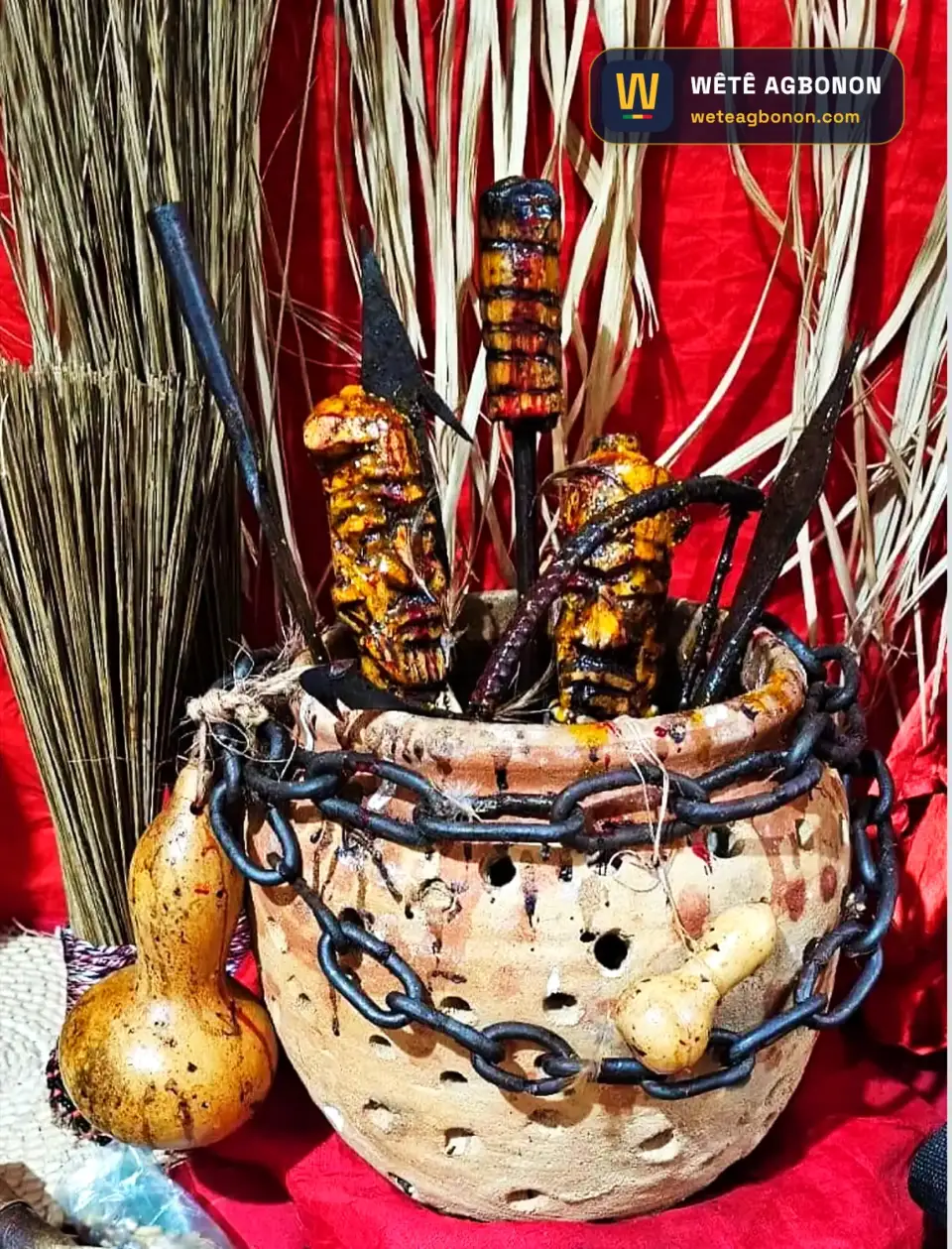
Remove bad luck safely: traps to avoid
A long run of misfortune makes people vulnerable, and some practitioners live on it. Be wary of anyone who sells you a ritual to get rid of bad luck before examining anything, or a kit to remove bad luck by post, who announces a curse over the phone within minutes, who offers monthly cleansing subscriptions, or who warns of disaster if you stop paying. A serious priest reads first, then names a price, once, in writing.
The terms at the temple are the same for everyone. Nothing is charged for the reading. A work, when required, comes with a written quote: a single figure, seven days to accept it, the option to spread payment, and no start before payment. Should the period named by the sign close with no improvement, instructions respected, ask within thirty days and the work is done again without charge.
When a hard season ends
People who manage to get rid of bad luck rarely describe a sudden reversal. They describe small signs first: a reply that finally comes, a night of real sleep, an expense that turns out smaller than feared, a conversation that clears the air. The Fâ usually asks them to write back at the end of the period it set, so that the next reading can confirm that nothing remains, or say what is left to do.
If the misfortune returns after a few months, write again. A new reading looks at what has changed, and sometimes finds a cause that the first one could not see because it had not yet appeared.
An imagined case
The story that follows is built from frequent messages and describes nobody real. A man of forty in Manchester lost his job in January. In February his car was written off; in May his partner left; in July his landlord sold the flat. He has stopped answering calls and believes he has been cursed since his brother’s wedding, where he quarrelled with an uncle.
One possible answer: the quarrel left a charge, which a work at the temple will undo before a protection is placed. Another: a season of losses with no hidden hand behind it, and advice to rest, to see a doctor about his sleep, and to call his brother. Whichever it is, he receives a written reply, and a price appears only if the temple has something to do.
Writing from abroad
Most people who ask how to get rid of bad luck write from Britain, North America or Europe. They do not need to travel: the Fâ is cast at Sakété with what they send, and Wêtê Agbonon answers them himself, in English. To see who he is first, watch the France 24 segment on Benin’s mangroves where he speaks and read the reviews he has published with consent.
Only the consultation is free. When bad luck piles up, that reading is the cheapest way to learn whether the temple has a role, or whether patience and a few changes will see the season through.
Questions
Get rid of bad luck: what people ask the temple
How do I know if my bad luck is spiritual?
Write the events down with dates, then ask for a Fâ reading. It is free and tells a hard season from a real blockage.
How do I get rid of bad luck fast?
Start with what you control: rest, order, a doctor if needed. If the reading shows a blockage, a work at the temple lifts it within the time set by the sign.
Can bad luck run in a family?
The tradition says yes, through an unhonoured ancestor or an old charge. The reading shows whether it applies to your family.
Do salt baths remove bad luck?
They can soothe. They do not tell you what causes the misfortune; the reading does.
What is the difference with a curse?
A curse is placed deliberately by someone. Bad luck can come from a curse, from a broken taboo, from an ancestor, or from nothing hidden at all.
Can I remove bad luck myself?
Practical changes help everyone. A real charge or a debt to the ancestors needs a work at the temple, decided by the Fâ.
How much does it cost to remove bad luck?
The reading is free. A work, if needed, is priced in writing, with a single amount and seven days to decide.
How long does it take?
Each work has a duration fixed by the sign; you read it on the quote before paying.
Is there a prayer to get rid of bad luck?
Pray according to your own faith if it brings you peace. The temple does not publish prayers or recipes; the reading says what your situation needs.
Can another person’s bad luck affect me?
The tradition says misfortune can weigh on a household or a lineage. The reading shows whether yours comes from someone close to you.
Will the bad luck come back?
The work usually ends with a protection and a few instructions meant to prevent its return.
Do I need to come to Benin?
Travel is optional. Everything happens at Sakété, with your name spoken at the altar.
Who writes the answer?
Wêtê Agbonon himself, in English or French.
Is faith in voodoo required?
Nobody asks for it. Honest facts are all the reading needs.