Ifá and Fâ · Divination
Ifa reading: how a Fâ consultation is done at the Sakété temple, and what it can tell you
An Ifa reading answers a question through a system of 256 signs. Benin knows the same art as the Fâ, and at the Sakété temple Wêtê Agbonon casts the opèlè for people who write to him from all over the world. The reading is free: it tells you what the signs show, and what they ask of you.
Filmed testimony
“I was skeptical at first, but I’m honestly so grateful I gave it a chance.”
A client, face shown, in her own words
The Fâ first
Ifa reading: one system of signs, read for you
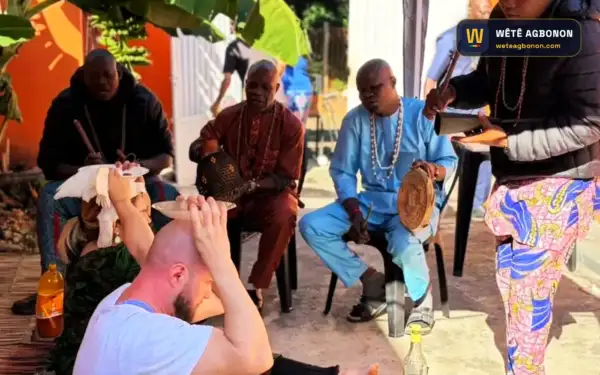
Every request that reaches Wêtê Agbonon begins the same way. He takes the question you sent, your name, your date of birth and your photograph, and he casts the opèlè, the divination chain of the Fâ, at the temple of Sakété in Benin. The way the chain falls gives a sign. He reads that sign the way his lineage taught him, then applies it to your question.
The answer may concern love, work, family, a journey or a run of bad luck. It says what the situation is, what to honour, what to avoid and when to act. If the sign calls for a work at the temple, he explains it and sends a written quote, paid before it begins. The Ifa reading itself is free, and nothing obliges you to go further.
The voodoo consultation, step by step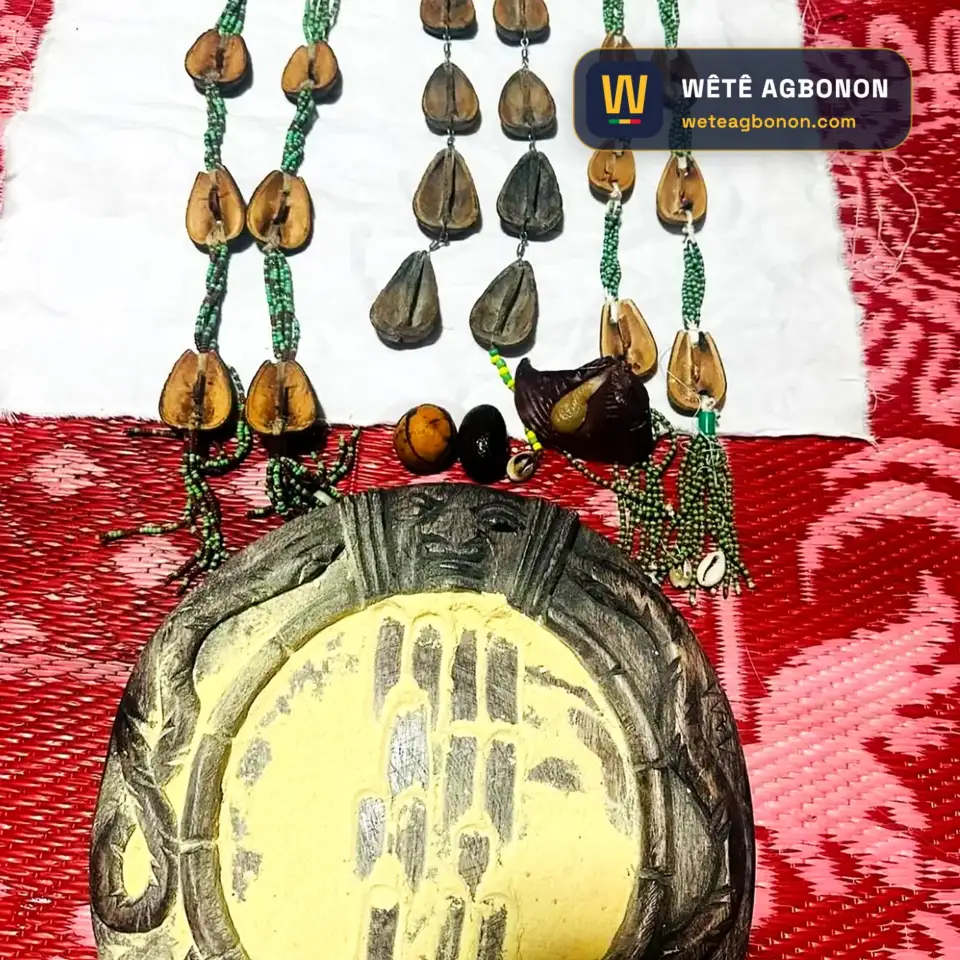
Ifá in Nigeria, Fâ in Benin, Afa in Togo
The art goes by several names. Among the Yoruba of Nigeria it is Ifá, and its diviner is the babalawo. Among the Fon of Benin it is Fâ, and its diviner is the bokonon. In Togo and Ghana it is often called Afa. The system underneath is the same: a fixed set of 256 signs, each tied to a body of verses, stories and prescriptions handed down by memory from master to student.
UNESCO inscribed the Ifa divination system on its list of the intangible heritage of humanity in 2008, three years after proclaiming it a masterpiece. Its description stresses a point that matters for anyone asking for an Ifa reading: the diviner relies on a system of signs that he has learned to interpret. A good reading depends on that training, and on the honesty of the person who delivers it.
The page on the babalawo and the bokonon explains how both are trained. This article stays with the reading itself: how it is done, what it can tell you and how to use it.
When people ask for an Ifa reading
In West Africa, the Fâ has always been consulted before decisions that commit a life: a marriage, a journey, a house to build, a field to clear, a dispute to settle. The habit has travelled. Those who ask Wêtê Agbonon for an Ifa reading today write before accepting a job abroad, before a wedding, after a breakup they do not understand, after a death in the family, or after a series of failures that seems to follow them from one city to another.
Others write because a dream troubles them, or because another reader frightened them and they want a second view. That is a good reason to ask. A serious Ifa reading should leave you clearer and calmer about what to do, even when its answer is difficult to hear.
The tools of a Fâ reading
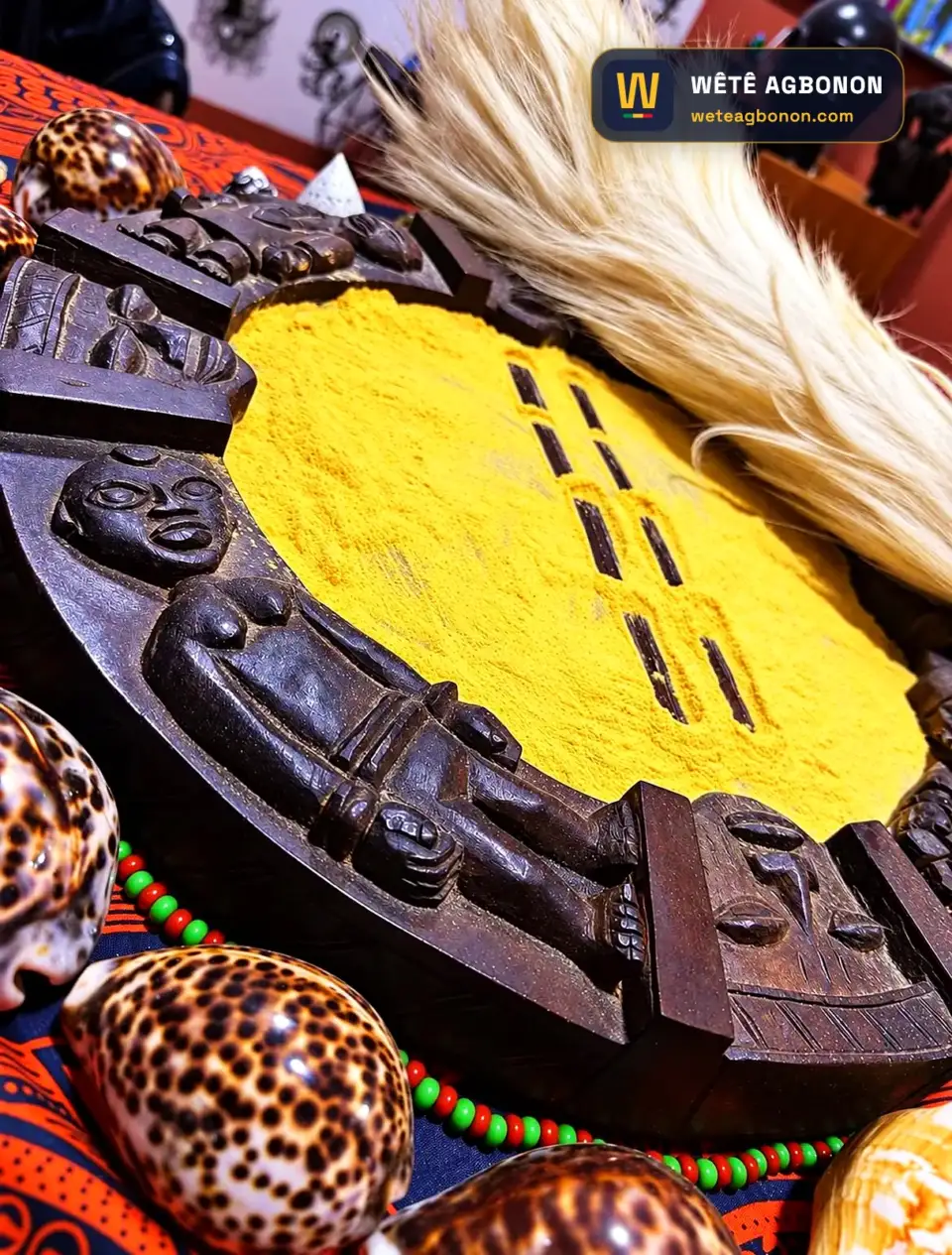
Two instruments are used in the Ifá and Fâ traditions. The first is the divination chain, called opèlè: a cord holding eight half seed pods, cast in one movement, whose faces up or down form a sign. The second is a set of sacred palm nuts, passed from one hand to the other according to precise rules, with the result marked on a wooden tray covered with powder. The chain gives a quick answer to a question; the palm nuts are reserved for the most solemn readings.
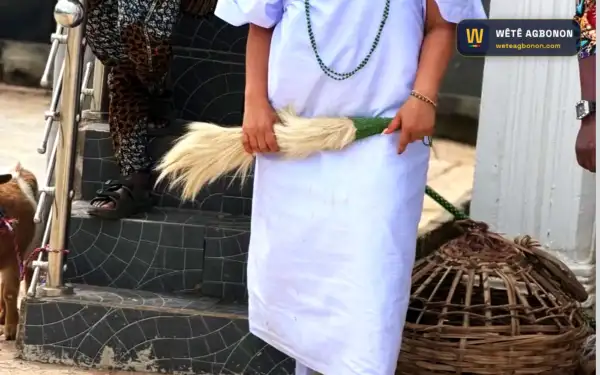
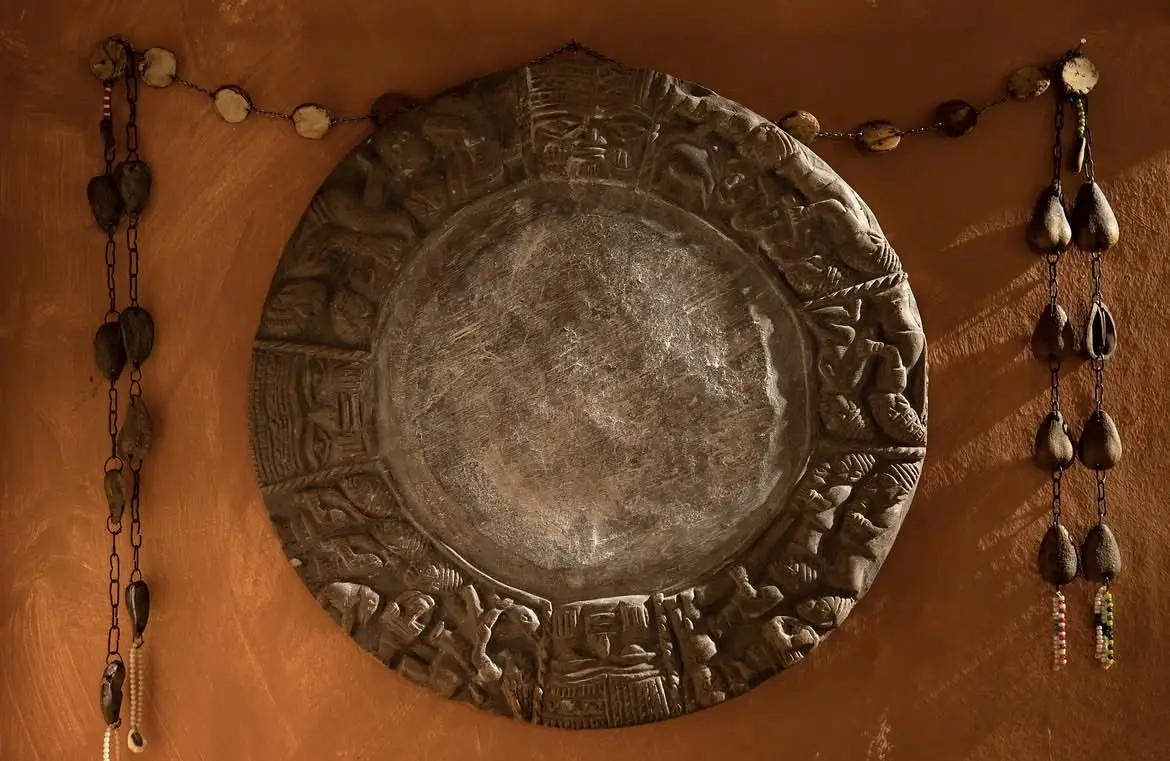
At Sakété, Wêtê Agbonon works with an opèlè inherited from his ancestor, kept with his Fâ tablet. The tools matter less than the hand that reads them: the same sign can say very different things depending on the question, the person and the moment, and the diviner has to hold all three together.
What an Ifa reading can tell you
People bring the Fâ almost every kind of question. A reading may reveal that a former partner still thinks of you, and what keeps you apart. It may separate a streak of failures caused by envy from one with ordinary roots. It may point to an unresolved matter with relatives that calls for an offering to the dead, advise you to postpone a trip, or warn that someone in your business circle has earned less confidence than you place in him.
The sign usually comes with three kinds of indication: what the situation is, what it asks of you, and what to avoid for a time. Some signs prescribe an offering. Some advise patience. Some warn against a decision you were about to make. The reading describes; it rarely answers with a single word.
What a reading leaves aside
Some questions fall outside what Wêtê Agbonon will answer. He gives no lottery numbers and no stock tips. He names no culprit, whatever you suspect: a reading of the Fâ points to situations and remedies, and to nobody in particular. He makes no medical diagnosis and sends you to a doctor when your body is concerned. He states no date the sign did not give. These limits protect you as much as they protect the tradition.
At a distance
Seven steps of a free Fâ consultation
Most people who ask for an Ifa reading live far from Benin. Here is how the consultation unfolds, from the first message to the answer.
You write to him
Through the button on this page or the contact form, in English or in French.
You state your question
One clear question, with the facts in order and what you have already tried.
You send three elements
Your name as on your papers, your birth date, a photograph taken recently.
He casts the opèlè
At the temple of Sakété, himself, for your question.
He reads the sign
He interprets it for your situation, with what it asks and what it forbids.
You receive the answer
In writing, from him directly, in plain language.
You decide
When a work would help, the quote comes in writing; you may decline it.
A typical Ifa reading, from question to answer
What follows is an illustration built from recurring requests; it is not the account of an actual client. A woman of forty-two writes from Atlanta. She has been offered a position in another state, with a better salary, but her mother is ageing and her son is about to finish school. She asks a single question: should she accept?
Wêtê Agbonon casts the opèlè for her, from the three elements she sent. The sign may show that the move opens a good period, on condition that she settles the question of her mother first. It may prescribe a modest offering to her ancestors before she leaves, and a taboo for a few weeks. It may also show that the timing is wrong and that a better offer will follow. She receives the answer in writing, asks two questions about it, and makes her own decision. The reading costs her nothing.
How to prepare your question
The quality of an Ifa reading depends partly on the question. A few habits help:
- Ask one question at a time. “Will my husband come back?” works better than a list of ten worries.
- Give the facts in order: what happened, when, and what has happened since.
- Say what you have already tried, including other readings.
- Ask about your own path. “What should I do about my marriage?” opens more than “Is he cheating on me?”
- Write honestly. The sign is read for the person you are, and a polished story helps nobody.
You can ask about another person when they are part of your situation: a partner, a parent, a child. The reading then concerns the bond between you, and it never gives power over that person.
What you receive in writing
The answer to an Ifa reading reaches you as a written message from Wêtê Agbonon himself. It explains in plain words what the sign says about your question, what it asks you to do, and what it advises you to avoid, sometimes for a set period. It says whether a work at the temple would help, and why. When it would, the quote comes separately, with the offerings, the prayers, the time the Fâ gives and the total. When it would not, the message says so clearly.
Keep this answer. Many people reread it weeks later, when the situation it described becomes visible, and write back with new questions. A reading is meant to be used over time, at your own pace.
Reading the answer: signs, offerings and taboos
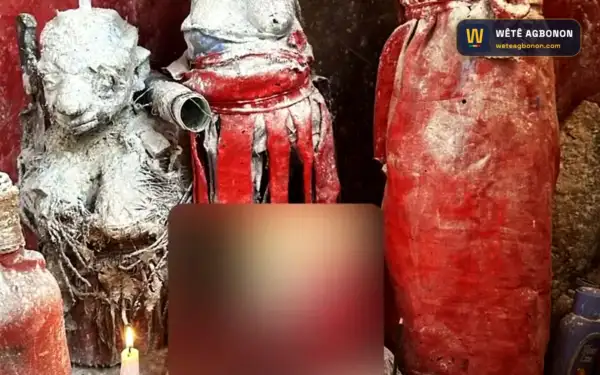
An answer from the Fâ can surprise those who expect a prediction. It speaks in terms of balance: what is out of order, what restores it, and what keeps it. An offering may be prescribed to a voodoo or to the ancestors; Wêtê Agbonon explains what it is for, and whether it can be made at the temple on your behalf. A taboo may be given for a time: a food, a place, a word, a decision to postpone. Following it is part of the answer.
Some signs simply advise you to change something in your own conduct. Those are often the most useful readings, and they cost nothing beyond the effort.
Ifa divination and the ancestors
In the Fon tradition, the ancestors are close to the living, and many readings turn towards them. A sign may show that an ancestor was forgotten, that a family promise was never kept, or that a blessing is waiting to be asked for. The gesture it calls for is usually simple: an offering, a prayer, sometimes a visit to the family home. Ifa divination treats these links as part of your situation, alongside your own choices.
One reading or several?
Asking the same question again and again rarely helps: the sign has spoken, and repeating it in the hope of a different answer only adds confusion. A new Ifa reading makes sense when the situation changes, when a decision approaches, or when the instructions of the first reading have been followed and you want to know what comes next. Each new consultation is free as well.
Why the reading is free here
His rule is short: only the consultation is free. Wêtê Agbonon reads the Fâ for anyone who writes to him, and he tells people when nothing needs to be done, which happens often. The free reading lets you judge his seriousness before any money is involved. When a work is needed, the written quote states the offerings, the prayers, the time the Fâ gives and a single total, valid for seven days, with instalments possible. The work starts after payment.
Online Ifa readings: what to check
Ifa readings are now offered everywhere online, sometimes by trained diviners, sometimes by people who have never held an opèlè. Before you send anything, check a few points. Does the diviner give his real name and the place where he works? Does he cast himself, or does a website generate a sign at random? Does he ask for money before reading? Do you receive a written answer you can keep and question? Can you find him elsewhere than on his own pages, in a press report or through people who have consulted him?
A France 24 segment about the fetishes that guard the mangrove, aired on January 12, 2026, hands him the microphone, and the page reviews of Wêtê Agbonon gathers what his clients say, with their consent.
Ifa reading from the US, the UK or the Caribbean
Many requests come from the United States, the United Kingdom, Canada, Brazil and the Caribbean, where Ifá lives on in Santería, Candomblé and other traditions. Some of those who write already belong to a house, with a godparent of their own. Wêtê Agbonon reads in the Fon tradition of Benin and respects other lineages: if you have a godparent, his or her guidance on the life of your house comes first. A reading from Sakété can still answer a precise question, or give a second view on a difficult decision.
Only the consultation is free. Should the sign call for a work, you receive the quote in writing and remain free to say no.
Questions
Ifa reading: frequent questions
Is an Ifa reading free here?
Yes. Only the consultation is free; if the Fâ calls for a work, its price is set in writing and settled before the work starts.
What is the difference between Ifá and Fâ?
They are the same system of 256 signs, called Ifá among the Yoruba and Fâ among the Fon of Benin, with local differences in practice.
How accurate is an Ifa reading?
It depends on the training and honesty of the diviner. The free reading lets you judge before committing to anything.
Can an Ifa reading be done online?
Yes. The opèlè is cast at the temple for your question, from your name, date of birth and photograph, and the answer reaches you in writing.
How long does the answer take?
Usually a few days, depending on the number of requests and the days of the temple.
Will the reading reveal my personal sign?
A consultation answers a question. Knowing the sign that accompanies your life belongs to an initiation, which the Fâ itself must allow.
Do I need to believe in voodoo?
No. Many people write out of curiosity or after other attempts. Respect for the reading is all that is asked.
Can I ask about someone else?
Yes, when that person is part of your situation. The reading concerns your bond, and gives no power over them.
Will the Fâ tell me who did witchcraft against me?
No. The Fâ describes a situation and what it asks; Wêtê Agbonon names nobody.
In which language will I receive the answer?
In English or in French, from him directly.
What happens after the reading?
You keep the answer and can ask questions about it. Should a work be useful, a written quote follows, valid for seven days.
Can I ask questions about the answer?
Yes. You can write back with your questions, and he explains the reading in plain words until it is clear.
How often should I have an Ifa reading?
When a decision approaches or your situation changes. Repeating the same question rarely brings anything new.
Is this connected to Santería?
Santería kept Ifá alive in Cuba. Wêtê Agbonon reads in the Fon tradition of Benin, where the Fâ comes from the same source.
Read next