Justice · Sakété temple
Revenge spell: why a voodoo priest from Benin refuses it, and what he does for people who were wronged
A partner who betrayed you, an associate who ran off with the money, a relative who humiliated you in front of everyone: the pain is real, and so is the wish for a revenge spell. Wêtê Agbonon refuses to cast one. He offers something else, a free Fâ reading that says what weighs on you, what protects you, and what will let you move on.
Filmed testimony
“I was skeptical at first, but I’m honestly so grateful I gave it a chance.”
A client, face shown, in her own words
The Fâ first
Revenge spell: what the Fâ looks at when someone has hurt you
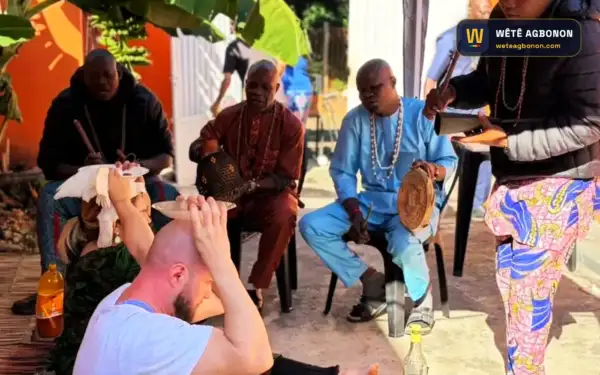
Letters that ask for a revenge spell are often written late at night, in anger or in tears. Wêtê Agbonon reads them without judgment. He asks for the writer’s name, birth date and portrait, then for the story: who did what, when, and what has happened since. Then he casts the opèlè at Sakété.
The signs do not answer the request for harm. They answer the person who wrote: whether the one who hurt them also laid a charge on them, whether a protection is needed, whether a bond must be cut, and what will bring peace. That reading is free, and it is often the first calm voice the person has heard in weeks.
What happens in a Fâ reading
At a glance
Revenge spells at a glance
- Typical requests
- Suffering, illness, ruin or loneliness for someone who wronged them.
- What the temple answers
- No work meant to harm, whatever the price, whatever the story.
- What the Fâ can show
- A charge laid on you, a bond to cut, a protection to prepare, a path to peace.
- What can be done
- Lifting what weighs on you, protecting you and your home, cutting a harmful tie.
- Where justice lies
- Police, courts, lawyers and support services for fraud, violence and harassment.
Why people ask for a revenge spell
Nobody asks for revenge out of boredom. Behind each request there is a betrayal that broke something: years of a marriage thrown away for someone else, savings stolen by a trusted partner, a family that took sides, a boss who destroyed a career, an ex who spread lies. The anger is proportionate to the wound, and wanting the other person to suffer is a human reaction.
Online, many sellers exploit that moment. They promise to make the culprit sick, broke or alone within days, and they charge accordingly. The person in pain pays, waits, and often finds that nothing changes except their bank balance.
Why Wêtê Agbonon refuses every revenge spell
At the Sakété temple, works meant to harm are refused without exception. The reason is first ethical: the vodun are served to protect, heal, reconcile and guide, and a priest who sells harm betrays the tradition he claims to serve. The reason is also protective. The tradition teaches that harm sent toward another tends to come back, toward the one who ordered it or the one who carried it out.
There is a third reason, simpler still. A revenge spell keeps the person chained to the one who hurt them. Every day spent waiting for the other to suffer is another day spent living around that person. The work of the temple aims at the opposite: freeing the one who was wronged.
Revenge spells in history
Revenge spells are as old as writing. In ancient Greece and Rome, people scratched curses on thin sheets of lead and dropped them into wells or graves, asking the gods to bind a rival’s tongue or ruin a charioteer. At Bath, in England, archaeologists recovered more than a hundred such tablets addressed to the goddess Sulis Minerva; most ask her to punish a thief who stole a cloak, a ring or a few coins.
What strikes historians is how often these supposed revenge spells were really appeals for justice by people who had no other recourse. The tradition of Benin draws the same line: asking the vodun to see a wrong and protect you is one thing; paying a priest to harm someone is another.
What the tradition says about harm
Many West African traditions hold that a curse sent unjustly rebounds. Families tell stories of people who commissioned harm and saw misfortune fall on their own children, of practitioners who sold dark works and ended badly. Whether one believes these stories or not, they carry a lesson every religion shares: what you send out shapes what returns to you.
The vodun also punish wrongdoing in the tradition, through their own channels and their own timing. A person wronged can ask for justice and protection at an altar; that is a different request from asking a priest to harm someone on their behalf.
Six wounds
6 situations behind a request for a revenge spell, and what the temple offers instead
These stories fill the letters. For each, the reading turns the request for harm into a request for repair.
An unfaithful partner
Protection, the cutting of a tie, and a reading on whether the relationship has any future.
A stolen fortune
Help to see the facts clearly, protection, and a firm push toward lawyers and police.
A family betrayal
An ancestor called to witness, a reconciliation where possible, distance where not.
A destroyed career
A road reopened, protection against further harm, advice on next steps.
Lies and humiliation
Protection of reputation and peace of mind, and legal advice when defamation is involved.
A charge laid against you
The charge lifted and a protection prepared, without sending anything back.
What the reading can show
The first thing the Fâ checks is whether the person who hurt you also acted against you spiritually. Sometimes they did: a charge was laid during the conflict, and it explains part of what followed. In that case, the work at the temple lifts it and protects you, which is the most effective response the tradition knows.
The reading may also show a tie that still binds you to the other person, an exchange of objects, a ritual done together in happier times, a hold they keep on your mind. Cutting that tie is often what people need most, even when they arrived asking for revenge.
Protection instead of a revenge spell
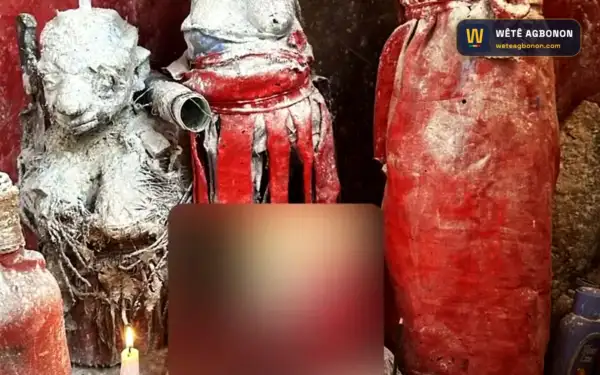
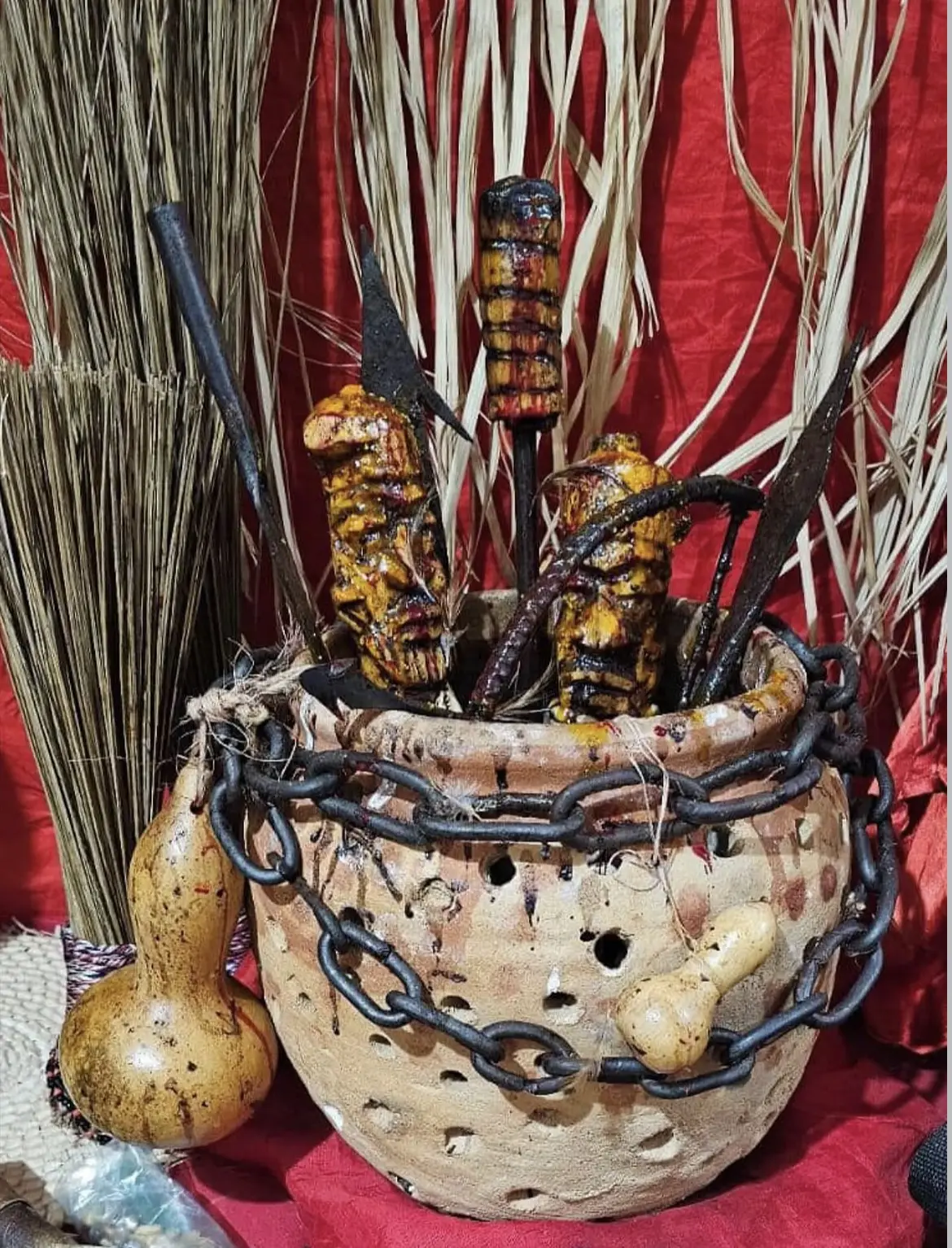
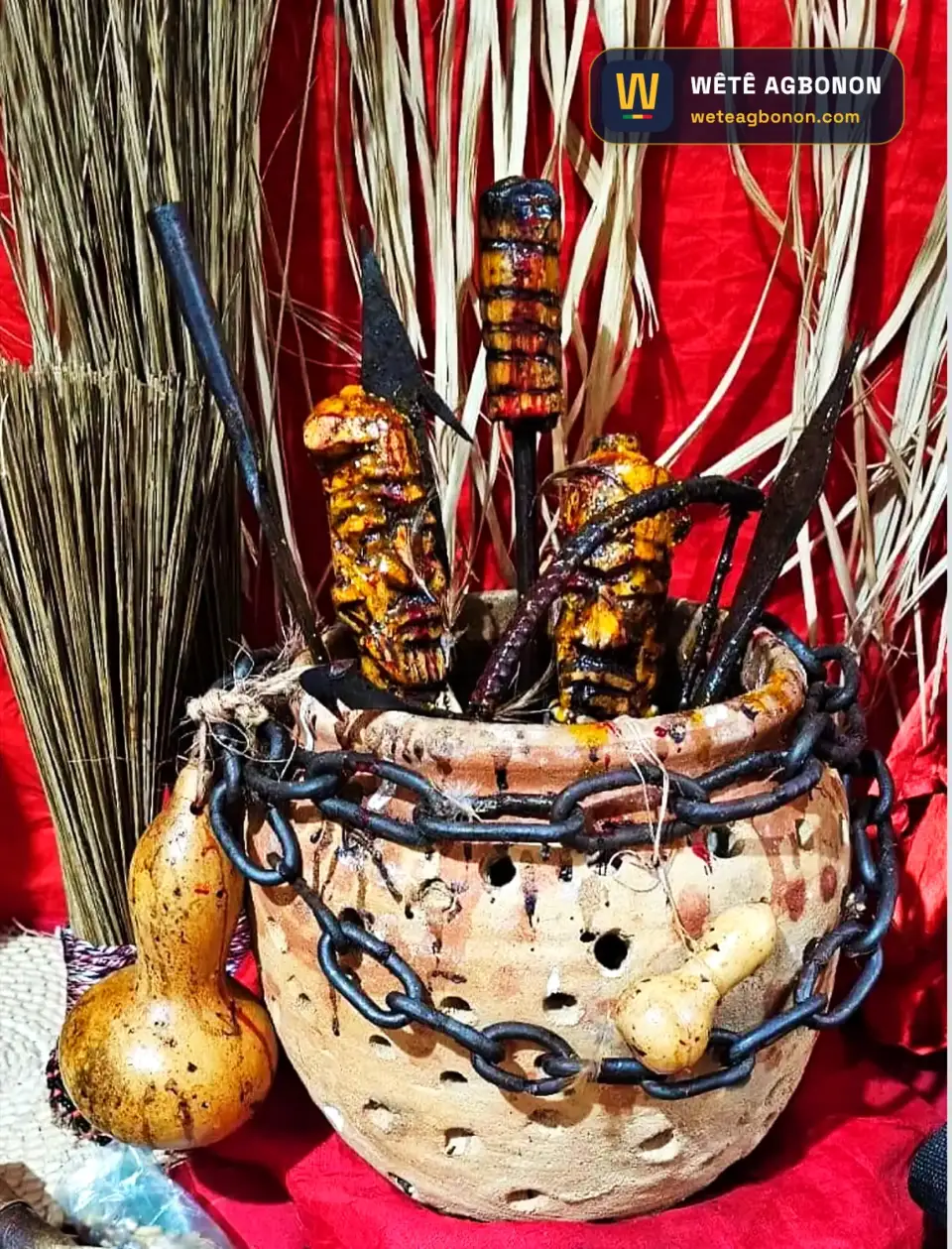
When the signs call for it, Wêtê Agbonon prepares a protection at Sakété for the person who was wronged, and sometimes for their home or their business. The offerings named by the reading are presented, your name is spoken at the altar, and the protection is made to keep harm away from you, whatever its origin.
Protection does not send anything back toward anyone. It closes the door. The people who receive it often describe a change they did not expect: less obsession with the other person, more energy for their own life.
Justice through the proper channels
Some wrongs belong in a courtroom. Fraud, theft, violence, stalking, harassment and defamation are offences in most countries, and the people who commit them can be held accountable. Keep every message, receipt and record. Speak to a lawyer, file a police report, contact your bank if money was taken. In the United States, the FBI’s Internet Crime Complaint Center receives reports of online fraud; in Britain, the national fraud reporting service run by the City of London Police plays that role.
If you are in danger, call emergency services. If someone at home hurts or threatens you, domestic violence hotlines exist in every English-speaking country and can help you plan for safety. A temple can pray for your protection; it cannot replace the people trained to keep you safe.
What psychologists have found about revenge
Research on revenge offers a surprise. In a 2008 study published in the Journal of Personality and Social Psychology, Kevin Carlsmith, Timothy Wilson and Daniel Gilbert found that people who were given the chance to punish someone who had cheated them felt worse afterwards than those who were not, because they kept thinking about the offender. Those who could not take revenge moved on faster.
This mirrors what the temple sees. People who ask for a revenge spell want relief; harm done to the other rarely brings it. Protection, distance and repair do.
Healing the wound
Anger fades more slowly when it has nowhere to go. Talk to people who love you. Consider a therapist, especially after a long betrayal or an abusive relationship. Write the letter you will never send. Move your body, sleep, eat, return to things that were yours before the other person entered your life.
The tradition adds its own gestures: offerings that close a chapter, a cleansing after a toxic relationship, a protection that lets you breathe. The page on spiritual cleansing explains how cleansing is done at the temple.
If the person who hurt you returns
Some people who hurt others come back: with apologies, with new demands, with threats. Keep your distance if you need it, and write down every contact. Courts in many countries can issue protective or restraining orders against harassment and violence. A protection prepared at the temple can accompany these steps; it never replaces them.
If you choose to listen to an apology, do it on your terms, in a safe place, with someone you trust nearby. Forgiveness, if it comes, is a gift you give yourself, and nobody can demand it of you.
Leaving justice to the vodun
In the tradition, the vodun watch over truth. Hêviosso, the vodun of thunder, is said to strike liars and thieves; people swear oaths before altars because breaking them is believed to bring consequences. A person who was wronged can ask, through a ceremony, that the matter be placed before the vodun, and then let go of it.
This is the one form of justice the temple accepts to carry: a request that the truth be seen and that the one who was wronged be protected. A revenge spell aimed at a person stays outside its doors.
When you have already paid for a revenge spell
Some people write after paying someone else for a revenge spell. Nothing happened, or something happened and now they are afraid. The practitioner asks for more money to finish the work, or to stop it from turning back. Stop paying. Keep the messages. If you were threatened, report it.
Then ask for a reading. The Fâ can show whether anything was actually done, whether it weighs on you or on the other person, and what will settle it. People who acted in pain receive the same respect as anyone else, and Wêtê Agbonon helps them close the matter.

Telling the temple what happened
You do not need to dress the story up. Say who hurt you and how, when it began, what you lost, and what you fear now. Mention any object you exchanged with that person, any ritual you did together or that someone did for you, any threat you received. If your health, sleep or work have suffered, say so.
Honesty about your own anger helps too. The reading takes it in stride, and it needs to know where you stand in order to say what will bring you back to yourself.
What the temple charges, and the spell for revenge it never sells
A reading costs nothing. When the Fâ asks for a protection or a cleansing, its price is written down once, as a single total; you have seven days to accept it, you may pay in instalments, and the work starts after payment. And should the signs’ timeframe end without relief despite your keeping to their instructions, write within thirty days and the work is carried out again, free.
What the temple never sells, at any price, is harm.
An example drawn from many letters
No real person is described here. A woman in Toronto discovers that her husband of fourteen years has been living a double life and has emptied their joint account. She writes asking for a revenge spell that will leave him ruined and alone.
The reading may show that he laid nothing on her, and that what she needs is a protection, a cleansing to end the bond, and a lawyer to recover what is hers. It may also show that he did act against her during the separation, and that lifting that charge comes first. Either way, she receives a written reply, and no work aimed at him.
Writing from far away
People who were wronged write from Toronto, Atlanta, Lagos, Accra or Leeds. They need not travel. The oracle is consulted in Sakété on the basis of their letter, and Wêtê Agbonon replies himself. A short France 24 report about Benin’s sacred mangrove trees, broadcast early in 2026, lists him among its speakers, and the people he has helped speak on the reviews page.
Only the consultation is free. For someone who was wronged, it is often the turning point: the moment the question changes from how to hurt them to how to be free of them.
Questions
Questions about revenge, answered
Will you cast a revenge spell for me?
No. Wêtê Agbonon refuses all works meant to harm. He offers protection, cleansing and the cutting of harmful ties.
Do revenge spells work?
Sellers promise they do. The tradition warns that harm sent unjustly tends to return to its sender, and the temple does not take that risk for anyone.
Can a revenge spell backfire?
Many traditions say yes. That is one reason the temple refuses them.
What can I do if someone cursed me?
Ask for a reading. If a charge was laid, it is lifted at the temple and a protection is prepared, without sending anything back.
My ex cheated on me. What can the temple do?
Protect you, cut the bond if the Fâ calls for it, and say whether the relationship has a future.
Someone stole my money. Can a spell get it back?
No ritual replaces a police report and a lawyer. A protection can accompany the legal steps.
I already paid someone for a revenge spell. What now?
End all payments, save the conversations, then request a reading to learn whether anything was done.
Is asking for revenge a sin in voodoo?
The tradition condemns harm done unjustly. Asking the vodun for justice and protection is a different request.
How much does a protection cost?
The reading is free. A protection requested by the Fâ is priced in a written quote before work begins.
Can it be done from abroad?
Yes; the protection is made in Sakété for you, and you remain where you live.
Who reads my letter?
Wêtê Agbonon himself, in English or French.
Will you judge me for asking?
No. Anger after a betrayal is human. The reading looks for what will bring you peace.